Keep Your Grass Green in High Heat and Drought

Green grass in the sunlight.

Your lawn’s health is important year-round, but it’s never more in peril than in the hot summer months. With Nashville’s frequent droughts and high temperatures, how do you keep your grass green and lush?

How to Treat Your Lawn During a Drought

What Happens to Your Lawn During a Drought

Extremely high temperatures, like the kind we’ve been seeing in Tennessee recently, can quickly turn a healthy lawn into a dead one. A heat-stressed lawn can turn brown or patchy, leaving you with an eyesore that can last a lot longer than the latest heat wave. Grass is a living ecosystem that needs to be maintained, and when it dies, it’s hard to get it back to its former glory without more expensive and time-consuming lawn care.

When your grass starts to wilt or brown, it’s because it needs something. In the summer, what it usually needs is water. Hydration is key to keeping grass healthy and alive, but how do you address the issue when you don’t understand the cause? In Tennessee, native grasses are fairly hardy against the high heat, but with the recent hot summers we’ve been experiencing, even these species are struggling to keep up. The good news is that even if you note your lawn is yellowing or has stopped growing, it’s not too late to salvage things.

Grass can protect itself from dying by going into a sort of survival mode, using what little moisture it has to cling to life, rather than to grow. While this is great for you, it can get worse pretty quickly. It’s not advisable to start overwatering, fertilizing, or seeding a heat-stressed lawn. Instead, the best course of action is to let it recover on its own and take a hands-off approach. While it may sound counterintuitive, it’s really your best bet when the summer swelter gets intense. But obviously, you can’t just leave it to its own devices when a drought is showing no signs of slowing, so what can you do? How do you keep grass green in the summer heat?

Helping Your Grass Beat the Heat

There are two main facets of lawn care when heat is concerned: preparation and reaction. If you and your grass were caught off guard this summer by the oppressive heat, don’t stress! There are things you can do to help your lawn recover and nurse it back to health. Summer lawn care is usually when things ramp up. You’re using more water in your yard, mowing, possibly fertilizing, and treating with pesticides. These are all great ways to keep a lawn green, but if things have gotten bad already, it’s best to stop everything.

A heat-stressed lawn needs a mostly hands-off approach when the heat is at its most severe. The one thing you need to continue is watering. Your lawn needs water, but when you water and how much you apply matter, especially when it’s hot outside. Every state has drought restrictions on water usage, so make sure you’re staying compliant with those and helping to conserve water during the dry season. It is possible to overwater your lawn, and this is especially true when a lawn is already damaged by extreme heat.

An irrigation system is an excellent way to keep your lawn properly hydrated, but it’s not wise to install it during the summer. If you’re stuck with sprinklers or hoses for the season, it may be a good idea to get a sprinkler gauge and research your grass a bit. There are online resources for determining how much water a lawn in our area needs and how often it should be watered. A sprinkler gauge helps you to determine how much water your lawn is getting. If you want to get low-tech, set a few recycled cans or jars in the area you’re watering, and measure the depth there to determine if each part is getting the hydration it needs.

It’s best to water your lawn in the early morning since the water isn’t absorbed right away; you don’t want sunlight to cause it to evaporate. If you’re struggling to get your heat-damaged lawn back to its original condition, you don’t need to do it alone. Working with a landscaping company like The Parke Company can ensure your lawn recovers quickly despite the Nashville heat.

Preventing Heat Stress

Of course, the best way to keep your lawn looking good is to ensure it never gets too dry. Setting up sprinklers or spraying your lawn can be time-consuming, and it’s hard to get it exactly right. Irrigation system installation services take the guesswork out of watering, ensuring a consistent schedule and distribution of moisture to your lawn when it needs it most. In-ground sprinkler systems can be set to a timer that comes on early in the morning, so you don’t even need to get out of bed to get your lawn properly hydrated.

As mentioned earlier, it’s not wise to install a system in the summer months, so you need to plan ahead for the fall. While modern pipe systems are small, they still require digging and uprooting parts of the lawn. Irrigation systems aren’t cheap, but there are many types of installations, and chances are there is a system that can work within your budget. If your yard is important to you, a sprinkler system is the single biggest investment you can make into your home and lawn. An irrigation system isn’t a magic cure for heat stress, but it can make things much simpler. You won’t miss a watering while you’re on vacation for the weekend; just set your system and relax.

Defend Your Lawn Against Heat Stress

Since each lawn needs different care, it’s best to get as much information and support from the experts as possible. Work with The Parke Company to establish a maintenance plan to ensure your system is working efficiently and free of issues. Protecting your lawn takes a lot of planning, but it’s not hard to do with some help, even when facing a particularly nasty Nashville heat wave.

Need some help handling a sun-stressed lawn, or looking to get the jump on planning your new irrigation system installation? Don’t let heat stress you and your lawn out! Give us a call today at the Parke Company for expert advice and service.
Four Ways Summer Storms Threaten Your Trees and Landscape

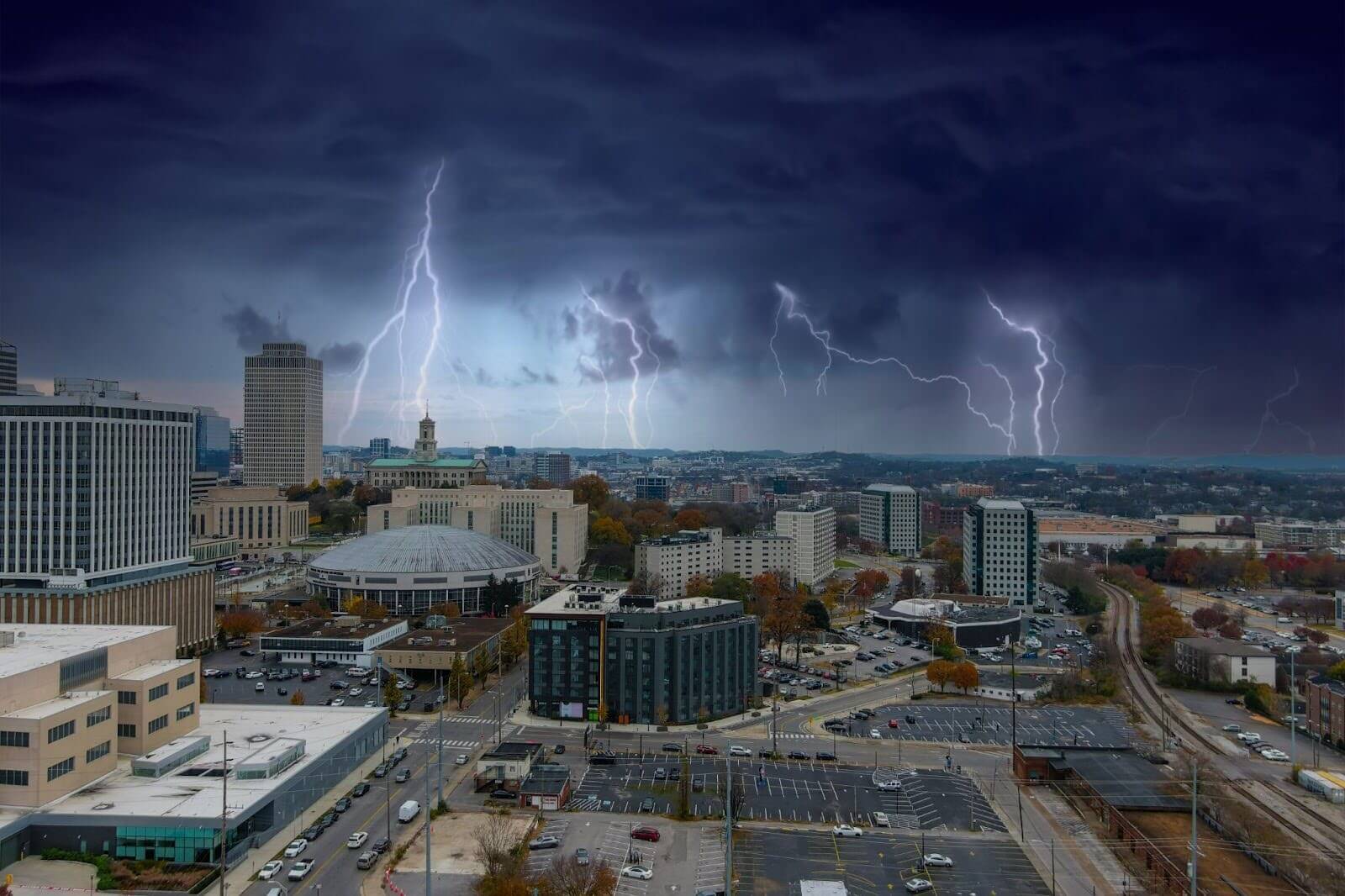
Lightning in the sky in Nashville.

Summer is all about green grass, ducking under the shade of a tree, and relaxing, but Mother Nature doesn’t always cooperate with our plans. Here are some of the ways Nashville summer storms threaten your trees and landscaping.

Ways Nashville Summer Storms Threaten Your Trees and Landscaping

1. High Winds

Nashville residents are unfortunately no strangers to tornadoes in the spring and summer, but even without a cyclone, a severe storm can cause wind damage. Summer storms are formed when high- and low-pressure fronts meet, and while precipitation is the primary result of this, wind is also produced. Atmospheric winds can be drawn down by this confluence of high and low pressures and temperatures meeting. Rain creates wind, too. These downdrafts occur as pressure from the precipitation pushes air downward, deflecting off the ground and spreading out in all directions. These are called downbursts and can produce winds of 100 miles per hour over a small area.

Wind is especially damaging to trees and other larger parts of your home’s landscape. Storm-damaged trees can fall or shed large limbs during heavy winds, potentially damaging your property, home, and people and animals in the area. Wind is a powerful and destructive force of nature that we need to be prepared for, and one of the best ways to get your property ready for a summer storm is to take care of your trees.

Signs of disease or weakness in a tree are not often obvious to the naked, untrained eye, so it’s important to contact a professional arborist to take a look at your property and determine the health of your trees. When it comes to which trees fall in storms, it’s usually the ones that are the least healthy. A large dead or dying tree is easily toppled by heavy or even moderately severe winds from a summer storm. This is even more likely in the summer because leaves catch more wind and can cause the tree to become uprooted or break quickly. Preparing your property for high winds is critical, and you should try to have your trees pruned and maintained by licensed tree service professionals yearly to prevent costly damage.

2. Heavy Rain

Water can be a destructive force, so it’s no surprise that torrential rain can be very bad for your property. A severe storm in Nashville can produce more than an inch of rain in just hours. Flooding from rain can wash away plants in your landscaping and cause oversaturation of your lawn, leading to dead grass or fungal growth. Rain’s erosive properties can expose tree roots, wash away topsoil and mulch, and flood your home’s foundation or basement.

Water damage accounts for a huge amount of property damage each year in Nashville and across the country. Preparing your landscaping for storms is the best way to ensure that rain damage is kept to a minimum during the summer months. Planting hardy bushes and grasses with deep roots can prevent erosion, keeping your topsoil where it belongs and preventing damage to your garden or lawn. Installing or improving existing drainage on the property, as well as using techniques like a French drain or channel drain, can ensure that standing water doesn’t accumulate in your yard. Installing proper drainage at the ground level and on your home with gutters and catch basins can keep water from damaging your property during a storm.

3. Hail

Hail doesn’t always happen during a severe summer storm, but when it does, its effects can be costly. Hail often accompanies storms that also can produce tornadoes, making it a dangerous precursor to even more destruction. Hail can destroy tree branches, rip leaves off trees and shrubs, and completely obliterate flowers and other plants in your garden. Tree storm damage from hail alone doesn’t usually cause a tree to fall, but it can knock off small limbs and cause extensive damage to a tree.

Hail damage to trees during summer storms can lead to disease and eventual death if the tree is neglected. Cleanup after a hailstorm needs to include pruning to ensure that damaged limbs are properly removed to keep pests and diseases from entering the tree through its wounds. Hail is unfortunately hard to plan for, but if it’s in your weather forecast, there are some quick preparations you can make to protect your landscape. Installing hail cloth or netting if your area is especially susceptible to hail storms can mean the difference between a smashed garden and one that survives. Having routine tree service remove weak limbs that are susceptible to hail damage can also prevent more costly damage to your property from fallen limbs.

4. Lightning

Lightning forms as a result of the massive amounts of electricity that storm clouds can generate. This deadly force of nature happens often during severe summer storms, striking hundreds or thousands of times in a single storm system. Lightning is somewhat predictable, usually seeking the highest point in a given area, but lightning is by no means easy to avoid. Saturated ground, tree root systems, and clusters of large trees can all create dangerous conditions on the ground, even far from the struck tree. Whenever lightning is observed, it’s important to stay indoors and away from windows, avoiding showers and other conductive components of the home, like hardwired appliances or electronics.

One way to prevent lightning strikes on your property is tree removal. Removing the tallest, most mature trees from your property makes the area less susceptible to lightning strikes. Know, however, that lightning can still strike your home or smaller trees, even if larger trees are in the area. Lightning can cause extensive damage to trees and your lawn, as the sheer amounts of electricity in a strike can set fires and instantly burn anything in its arcing path. There are ways to protect your trees from lightning damage during summer storms, however. You cannot prevent strikes, but certain technology can minimize the harm done to your large trees in the event that they’re struck. Arborists can install lightning rods in large trees to help dissipate the shock, spreading it and sparing your tree from extensive lightning damage. This can prevent property damage and costly emergency tree removal services.

Preserve Your Landscape Against Storms

Severe summer storms are a fact of life in Nashville, but you can prepare your property for them with the help of a trustworthy landscaping company. Be proactive with your tree and landscape maintenance and work with the pros at The Parke Company.

Landscape Installations With the Best ROI

Landscape installation in a yard.

Whether you plan to be in your home for five years or 50, it never hurts to think of the landscaping improvements you can make that can best improve its value. Read on to learn some of the better landscape installation investments to consider for your home’s ROI.

Landscape Installation Investments to Consider for Your Home’s ROI

Don’t Overlook the Simple Stuff

There are many affordable but impactful landscaping changes you can make to your home that will improve its curb appeal and value for years to come. Does landscaping increase a home’s value? Absolutely! Your house’s value is not all about the home. Your land and the greenery and decor on that land can actually improve your value immensely.

Luckily, many of the most meaningful improvements to your landscaping aren’t huge and expensive projects, but they’re still best left to the experts. Adding flowers and garden beds or shrubs can all help boost your green space and your property value. Mulch can do a lot for curb appeal and help prevent weeds and unsightly growth where you don’t want them. The best bet for a great garden bed is to let the experts handle it. Some of the most crucial factors in a beautiful garden bed are placement, drainage, and sun exposure. These are all things that a landscaping company will be able to figure out for you, making the process simple. Laying down mulch and planting some annual flowers on your own can look good for a few weeks, but things aren’t going to last if you don’t plan for the future. Choosing the proper plants and grading the garden to drain properly will require experience.

In addition to helping with your curb appeal and adding color to your lawn, gardens can also help with preventing water damage to the home. Whether or not you have a basement, diverting rain away from your home’s foundation can help keep things dry. Nobody wants a leaky basement, and while a garden won’t solve a severe problem, it can truly benefit your bottom line and budget for home improvement in the years to come. If you’re new to a home, or if you’ve been there for years and noticed a decline in your grass’s health, don’t despair. Landscaping companies like The Parke Company can help get your lawn back into ship shape. From overseeding and aeration in the spring to full turf replacements, you’ll never wonder again whether landscaping can improve a home’s value.

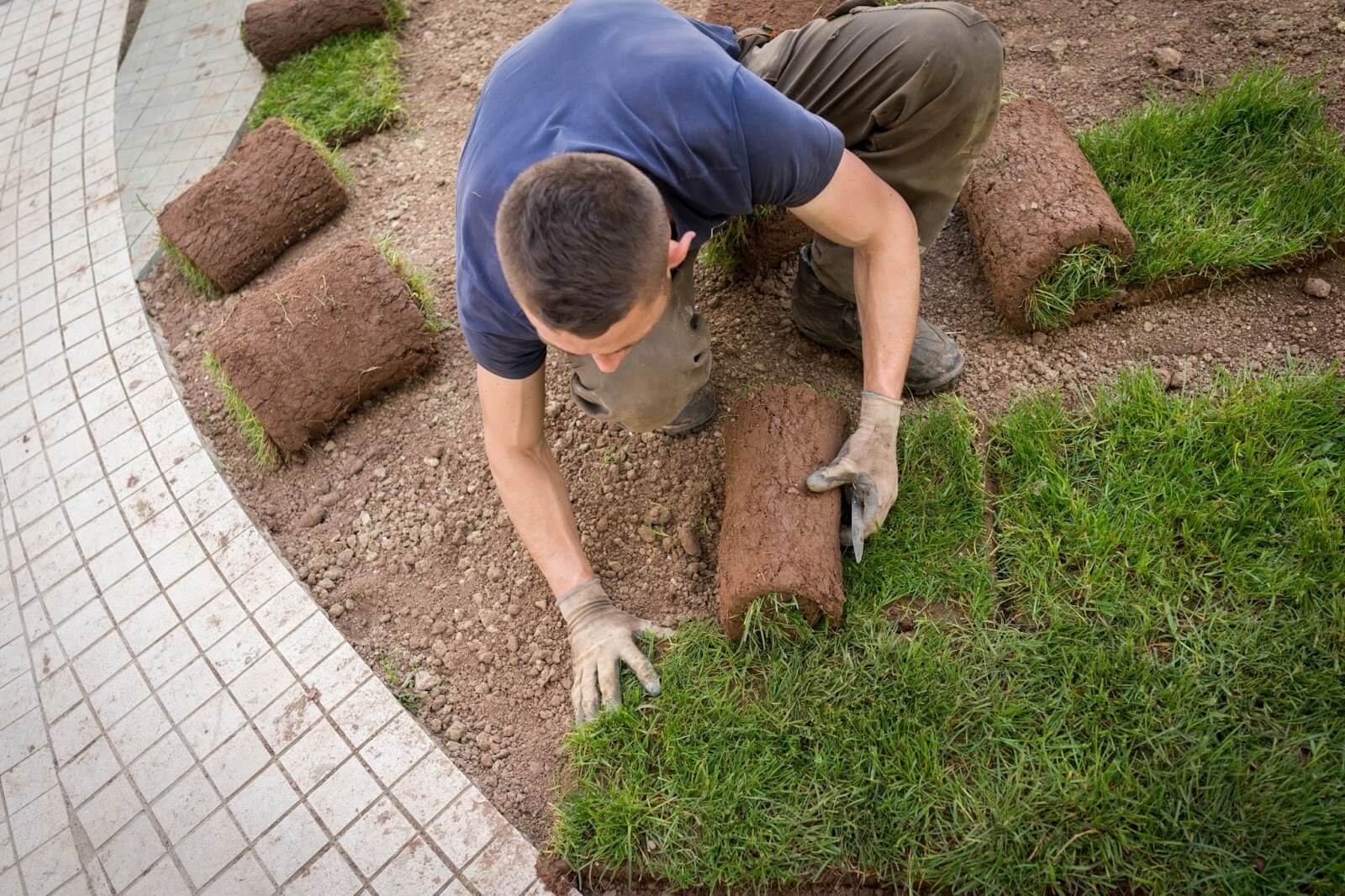
If you’re not sure whether a garden is right for you, installing healthy, lush sod on a struggling lawn can be all you need to restore its former glory. The process of digging up lackluster grass and replacing it with sod is quicker than trying to grow it back, so if you’re in a hurry to see a return on your landscaping investment, this process might be just what you need.

Hardscapes to Improve Concrete Value

Landscape installation isn’t all about planting, though. There are many hardscapes that you can install to improve property value and make your life easier at the same time. Hardscapes range from outdoor garden decor to new walkways and full irrigation systems for your lawn. Making the most of your outdoor space is simple with hardscapes. Large projects like patio installations or other outdoor construction bring the most bang for your buck. Homebuyers view a welcoming patio or backyard as an extension of the living space. Having a firepit or pergola and sitting area can be a huge draw for people looking to do outdoor entertaining. Whether you plan to sell or not, you can enjoy the benefits of a hardscape installation for years to come.

Pavers around walkways or pathways through the garden in your backyard can be excellent additions to your home’s aesthetic and your general enjoyment. Spending more time outside in your yard gives you more to do and see around the home. Transforming your yard with hardscapes doesn’t have to be extensive and costly. Many small additions like outdoor decor and a stone pathway can give your yard a lot of character quickly and affordably. Wooden archways combined with natural elements like vining plants can create a beautiful and unique ambiance for your yard.

Hardscapes are an incredibly versatile tool to rely on for improving your home’s return on investment. Don’t just take our word for it, either; real estate agents agree that an outdoor area enhanced with hardscapes can increase a home’s value by 15-20%. In 2024’s real estate market, that is quite a bit of money. As a bonus, some of these additions  (if they’re permanent features) count as capital improvements, offering tax breaks after the fact.

When you’re planning your hardscaping, don’t stress. Working with professionals can ensure that your lawn is not only aesthetically pleasing but also a great environment for your plants and trees. Expert installation from a landscaping team like The Parke Company helps ensure that your yard looks great from the start.

Another excellent landscaping installation to improve your home’s ROI is an irrigation system. Sprinkler systems are designed to last, so with proper maintenance, they are a worthwhile investment in your home’s future. Besides their value on a real estate listing, irrigation systems can keep your lawn hydrated year-round, saving you time and money on lawn care. Modern irrigation systems can be scheduled using your smartphone, so you can dial up the water when necessary. This is an especially useful feature to have when you’re trying to keep your lawn healthy during a Nashville summer drought. A lush, green lawn does wonders for your curb appeal, and the turnkey nature of an irrigation system makes it a great perk to list on your real estate listing. Sprinklers are actually more water efficient than manually watering, making them environmentally friendly and easier on your utility bills to boot. While a modern sprinkler system isn’t cheap, it’s the most solid long-term investment you can put into your lawn. Knowing how much a good lawn can help when it comes to selling a home, an irrigation system just makes sense.

Explore Landscape Installations With The Parke Company

Your home’s landscaping can greatly improve its value, both for you and prospective buyers if you sell. Contact The Parke Company to learn how a great landscaping team can help improve your home’s curb appeal on any budget.

Stump Grinding vs. Removal: Choosing the Right Option for Your Nashville Trees

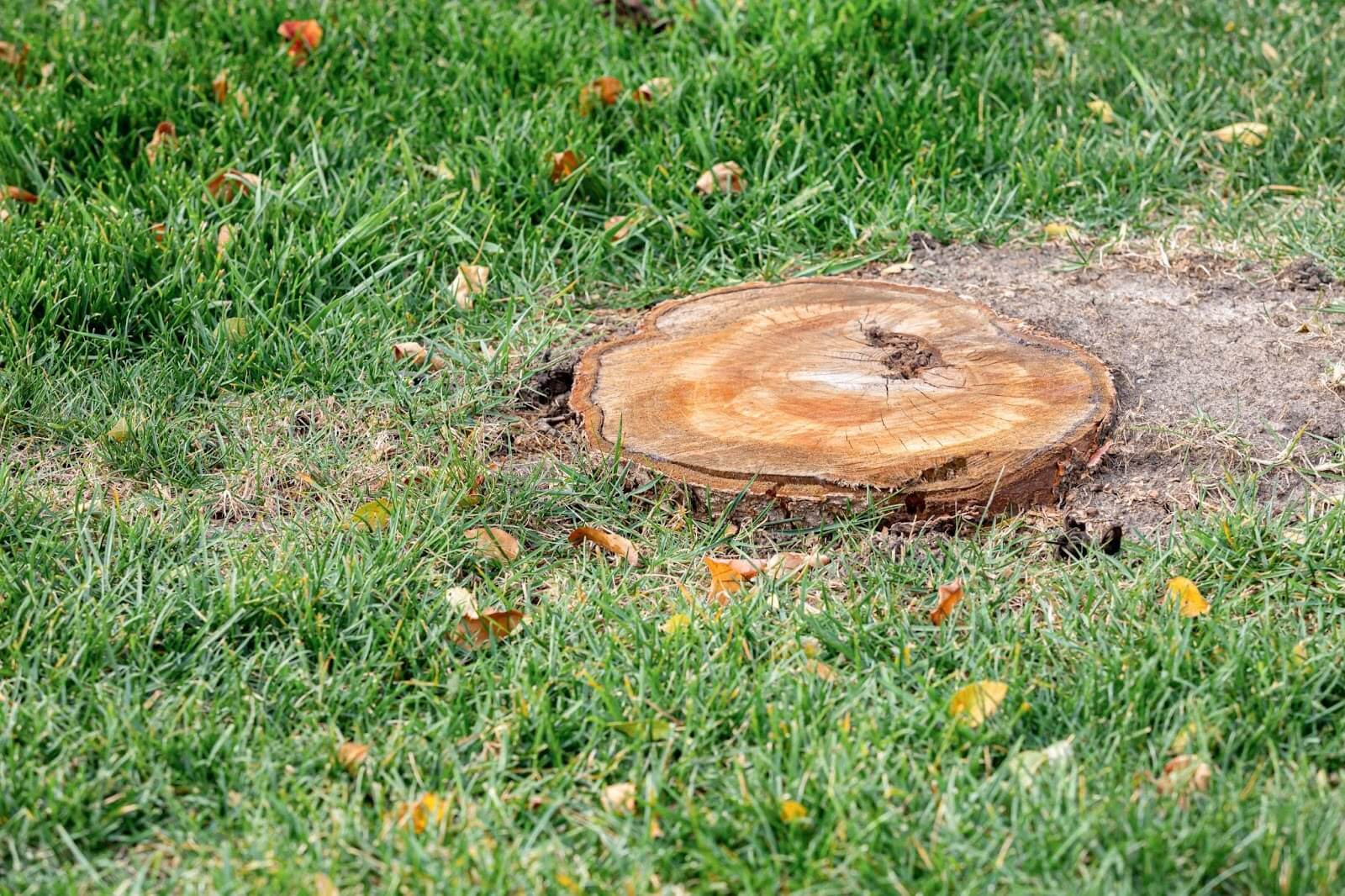
Tree stump in a yard.

Stumps are an unsightly disruption to the topography of your yard, but their negative impact can go far beyond visual aesthetics. Stump grinding and stump removal are two different tactics to take this issue on, and both have their pros and cons. If you’ve got a stump you need to make disappear, which option is right for you?

Stumped

Stumps are ugly, and you certainly don’t need any other reason to want them gone, but did you know that stumps can cause other, more serious issues for your property? Some people don’t mind a stump. Large tree stumps might become the flat base for yard decor or a few planters for some pragmatic property owners. Whether you like the stump on your lawn or not, stump removal or stump grinding is necessary. Stumps are problems for a few reasons, but one of the biggest is that they can act like pest magnets. From insects to small mammals like chipmunks and rats, a stump is a haven for nuisance creatures. Since stumps are either completely or mostly dead trees, the defense mechanisms they had in life are non-existent. This means that the bark and core wood of the tree are now brittle and easily burrowed within. Insects like termites love setting up colonies in the dead wood of a tree stump because it’s easier to eat. Once their colony grows beyond the stump, however, they are going to start looking to spread out to neighboring trees or even your home.

Dead roots that are rotting in the ground can attract all kinds of insects that can move onto the other trees and grass roots in your lawn once they’re done with the stump. Chipmunks, mice, moles, and rats can all decide your property is a nice place to make a home after finding a suitable stump to nest in. This can lead to them spreading out on your property, eating your other plants, and even finding their way into your home. Stump grinding vs. removal boils down to an issue of the future.

Pests aren’t the only problem that comes with a rotting stump, either. Fungi like mushrooms love to grow on and around stumps because they’re soft and soak up moisture. This makes your stump the perfect place for a sudden explosion of fungal growth, which can spread throughout your yard. Some fungal life is fine in a garden or yard, but when there’s too much, it’s unsightly. Additionally, fungi can take over your yard and begin to kill grass roots by depriving them of adequate moisture. Mold and fungus can spread underground via dead root systems after taking over a stump, spreading to healthy trees and taking them over, too.

Stumps also pose safety risks for your family, as navigating around a low stump can be difficult. All it takes is forgetting it’s there one time to trip over it, and that can cause injuries. Additionally, lawn maintenance is trickier. Mowing around an old stump is difficult, and you’ll need to spend more time weed-eating around the stump to ensure it’s not an unsightly spot of long grass in your otherwise well-manicured yard. Eliminating the stump from your yard is the best bet, but is it better to grind or remove a tree stump?

Stump Grinding vs. Stump Removal

Stump Grinding

Stump grinding is probably the more popular way to handle a stump in your yard, and it’s mainly due to cost. Stump grinding is cheaper than stump removal because it only calls for the use of one specialized machine. Stump grinding can be done relatively quickly, usually on the same day as tree removal if you’re also having a landscaping company remove the tree in question. The process of stump grinding is simple. A large machine is positioned over the stump, and it’s lowered as it grinds the wood down. Stumps are ground down about 6-8 inches beneath your lawn, removing the unsightly and potentially dangerous stump from view. The area is then covered with topsoil and seeded. After a few weeks, it should look as good as new. Stump grinding is more affordable than full removal, but it’s not without its drawbacks. Since some of the tree remains behind in the ground, the risk of pests is not fully eliminated, though it is significantly lowered. Since all of the tree’s roots remain behind, they can prevent new growth in the area, stopping the proper growth of trees and even smaller plants and flowers.

Stump Removal

Consider stump removal the more intense option when it comes to addressing a stump. Removal is a more involved process than stump grinding, and the cost of the service will reflect that. Rather than grinding away the upper portion of a stump, full stump removal takes the whole thing out of the ground. Undoubtedly, this process is more time-consuming and will damage your lawn more than grinding.

The reasons for total stump removal are many, but most revolve around future planting. When you remove a stump entirely, you pull up many of the larger roots from the ground as well. This makes it possible to plant a new tree in that location. Stump grinding leaves too much of a tree’s subterranean system in the ground to allow for new growth in its place. Stump grinding usually involves digging and the use of machinery to pull the stump from the ground. This process can displace dirt and pull up roots that may in turn tear away the surrounding grass from the yard. The recovery time for stump removal takes longer, and you’ll need to spend some real time and energy rehabilitating your lawn in this area. Fortunately, tree services that remove stumps will also be able to set up a maintenance schedule for you, taking the worry off your plate. At The Parke Company, we’re well-versed in stump removal and lawn restoration, so you’re in good hands. Stump grinding vs. stump removal is mostly a matter of cost. The budget for stump grinding is usually a few hundred dollars cheaper than removal. Ultimately, the better option comes down to your specific needs.

Whether you need to remove a stump entirely or simply have it ground down to plant over it with grass, the pros at The Parke Company are here to serve your tree service needs. When the time comes to remove a stump from your lawn, give us a call for a free consultation and estimate.

Saving Water and Money: Smart Irrigation Tips for Nashville Residents

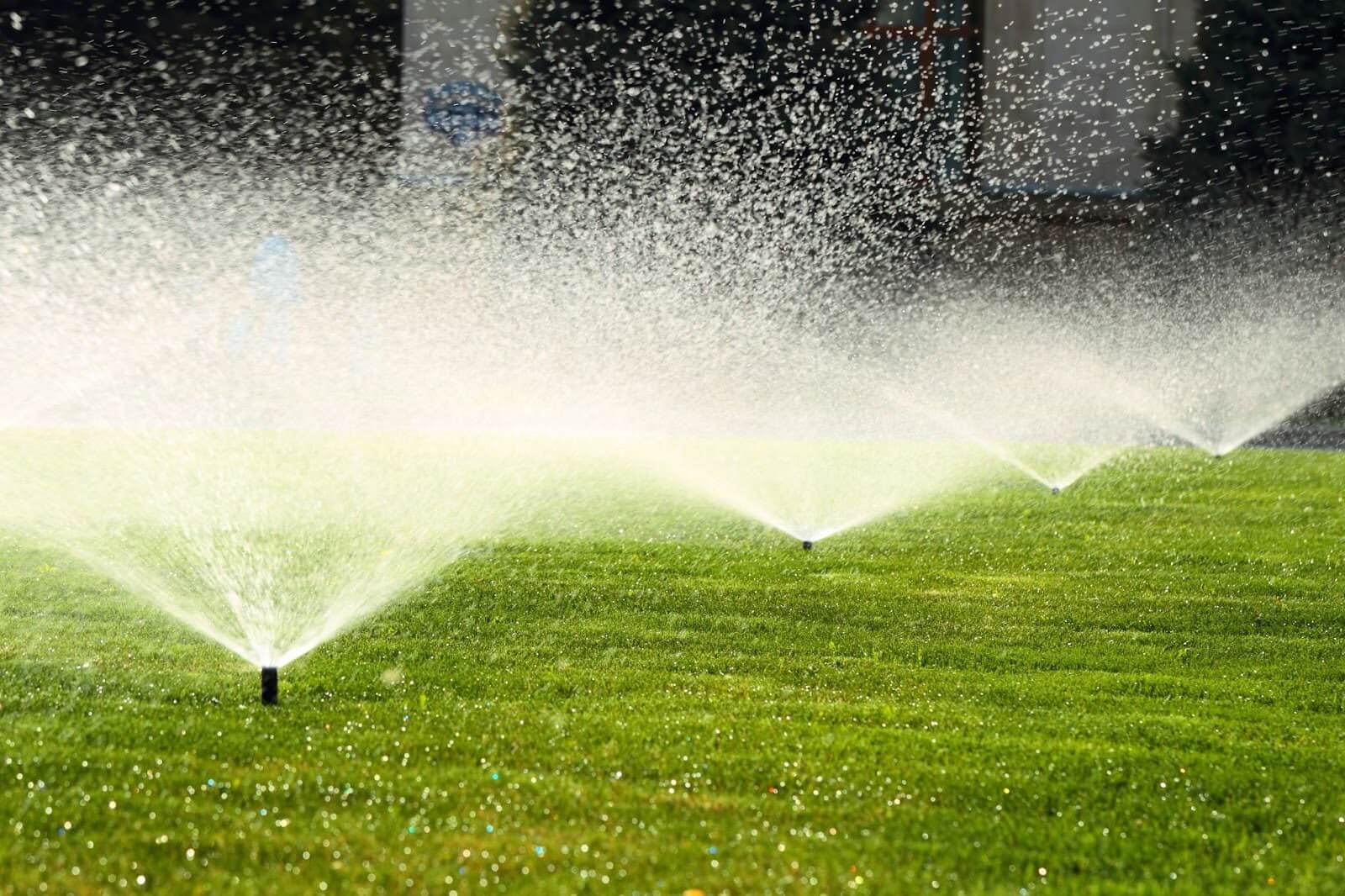
Irrigation system on a lawn.

Irrigation is critical for a healthy, green lawn all year round. Ensuring that your yard is well-hydrated while also conserving water and saving money is a tricky balance to strike alone. Here are some of our top tips for getting the most out of your irrigation system while keeping costs and water usage low.

Irrigation Tips For Nashville Residents

Set a Schedule

Watering is important in the spring and summer, especially in Nashville, where we experience our fair share of dry weather. One of the best ways to conserve water and get the most out of your system is planning when to use it. The sun can evaporate water very quickly when things are dry, meaning it’s best to run your sprinklers when the sun isn’t a factor. Scheduling your sprinkler system to run overnight or in the early dawn hours can ensure that your yard is able to soak up the moisture before the heat wicks it all away.

Many modern sprinkler systems can be run on a timer, making the process of scheduling your watering simple. If you have an older system that needs to be turned on manually, it’s best to run it as soon as you’re up for the day. By ensuring that evaporation is limited, you can use far less water while keeping your lawn looking great. And there are more than environmental benefits to irrigating conscientiously, too. You can save serious money on your water bill this summer if you change some of your irrigation habits to fit the climate. People who install an irrigation system may be in for a shock the first year when they get their water bills; these systems can use a lot of water!

Fortunately, smart irrigation habits like setting a schedule can keep that price low while still hydrating your lawn sufficiently. The Parke Company has worked over many summers to service and upgrade sprinkler systems across the area, so Nashville irrigation is one of our specialties. If you need help determining the best schedule and amount of water to use for your lawn this year, we’re here to help.

Maintain Your System

Inefficiency in irrigation systems can drive costs up and lead to inconsistent hydration on your lawn. One of the most important irrigation system tips we can offer is to maintain the device regularly. The fall or late winter is a great time to have a landscaper like The Parke Company inspect your system. Common issues include broken sprinklers, ruptured pipes, and sediment blockages. Each of these issues can be avoided by a few best practices and regular maintenance.

In the fall, when it’s time to shut your system down, always make sure you’ve fully drained the lines. Leftover water in the pipes can freeze, causing them to expand and create stress fractures and leaks. The same thing can happen in sprinkler heads or even in the pump that distributes water through your entire system. Repairs from frost damage can be costly, so properly draining the system and shutting it down is critical. It’s recommended that you hire a landscaping company to perform your yearly shut-off and start-up, as they’ll also inspect and repair the entire system as necessary during the process.

Irrigation systems do save water over manual watering, but improper care can render even the best system inefficient. Whether your system has only been running for one season or decades, upkeep is key to preserving the quality of your yard this summer.

Manage Drainage and Runoff

Drainage is an overlooked component of irrigation. When you consider what’s the most effective irrigation method to save water, you probably don’t think of how it drains. But properly moving excess water from your lawn ensures that water isn’t wasted and your yard isn’t over-watered. Installing hardscapes like drains can make sure that water doesn’t pool in low elevations. Leveling out your yard with landscaping services like lawn rolling and aerating can also help prevent overhydration. While sprinklers and their placement are obviously important to keeping your yard looking green and healthy, where that water goes matters, too. Grading your lawn gently downward away from the home can help keep water out of your basement or foundation and ensure it’s evenly dispersed across your property. That way, trees, flowers, and grass alike get the hydration they need, and you avoid unsightly puddles and wet spots.

Upgrade Your Irrigation

Whether you’re manually watering your garden and lawn or are saddled with an older irrigation system, you may be wasting water and money. A modern irrigation system will be far more efficient than systems that are even just 20 years old. Upgrading your outdated system can help you save money on water and electricity. These new systems are much more efficient than legacy irrigation products, and they still provide excellent coverage and hydration. Modern innovations mean there’s less water and energy waste, and smart features like phone integration make setting your schedule simpler than ever. Using your home wifi to control and monitor your watering can provide insights on things like energy and water usage, helping to alleviate any surprises when the utility bills come in.

One of the best irrigation tips we have to offer is to modernize, because technology does make things simpler when it comes to irrigation. You can even add smart controls to an existing system without fully upgrading.

Changing out your sprinkler heads is another affordable way to give your existing system a much-needed efficiency boost. If you have dry spots in your yard, a different type of sprinkler may resolve your problem. Landscaping companies like The Parke Company are well-versed in modernizing irrigation systems, and we can help you determine which changes could benefit your property.

Save Water and Money With Smart Irrigation

No matter your specific irrigation needs, we can help. If you’re ready to learn more about smart irrigation changes for saving money and water, reach out to The Parke Company today for a free consultation and estimate.