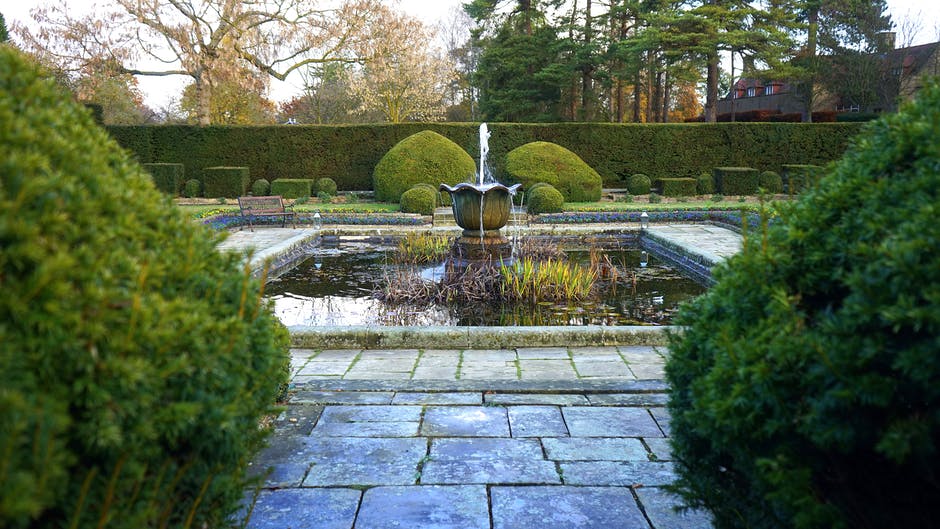
Nashville, Now is the Time for Tree Trimming

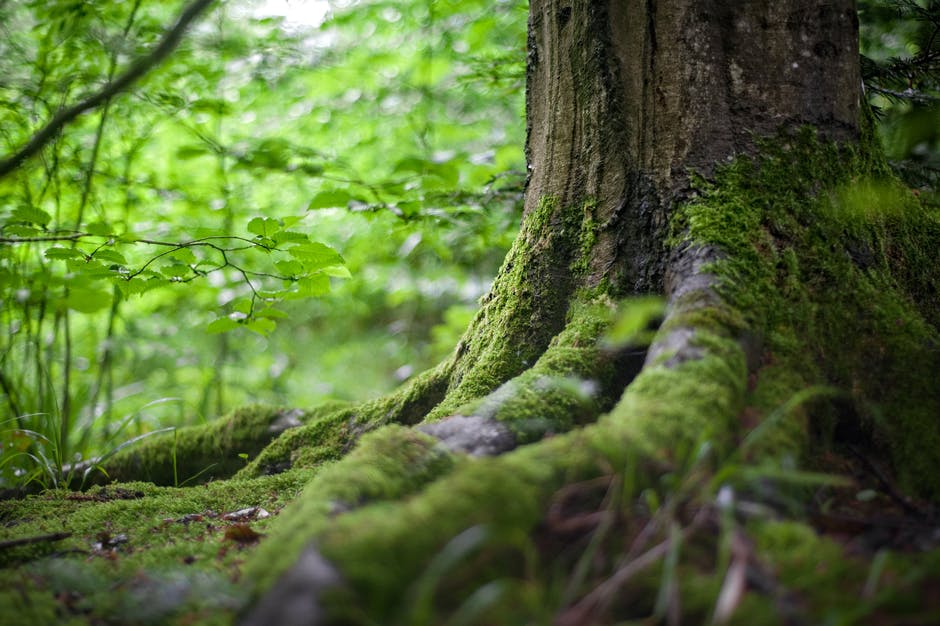
Mossy Tree

Late winter, before the first spring growth, is the best time to trim most trees and prune shrubs. Wounds are only exposed a short time before new growth begins accelerating the healing process. There’s another practical reason for tree trimming in late winter. Bare branches give the arborist a better view of the tree’s structure, allowing for more accurate pruning decisions.

Speaking of arborists, Nashville’s leading landscaping service and tree service, the Parke Company, is a member of the International Society of Arboriculture (ISA) and is staffed with ISA Certified Arborists. Trimming mature trees should be left to the professionals. Inaccurate trimming, particularly to the crown, can cause serious damage or even the loss of a mature tree.

What to Know About Tree Trimming

Tree Trimming Basics

Tree pruning isn’t done just to improve aesthetics. It can be a lot more complicated than that, and that’s why you want a professional doing it. The health of the tree, the health of the lawn beneath the tree, and the tree’s interference with structures or risk of wind damage all play a role in making tree trimming decisions.

On mature trees, the crown receives most of the pruning attention. Focus is placed on the extremities of the crown to keep a shape unique to the species. Trimming in close to the stem is usually done only to remove dead or dying limbs, or to allow more light to penetrate the crown and reach the grass at the base of the tree.

Limbs are also pruned back to avoid contact with structures or power lines. Prudent tree trimming significantly reduces wind resistance, lowering the risk of storm damage.

Common Types of Pruning

  • Crown Thinning. On young trees, this is the selective removal of branches throughout the crown. It promotes good health by letting light get to interior branches, providing good air movement, and removing weak branches. 
  • Crown Raising. This is usually done on mature trees. Lower branches are pruned to “raise” the crown above turf, sidewalks, or streets.
  • Crown Reduction. When done properly, crown reduction is not crown “topping,” which should be avoided if possible. Crown reduction involves removing branches that are immediately above lateral branches, leaving no stub. This reduces the height of the tree without the hazards associated with “topping.” When a tree is topped (basically cutting off the top branches and stem) it exposes the tree to sun damage and insect infestation. It also causes a myriad of small and weak branches to grow, which have the potential to break or snap off, causing damage below.

A tree trimmer has to understand the “anatomy” of the tree being trimmed to avoid causing it serious harm. Only entrust a certified arborist to perform this task on your trees.

As we said earlier, now is a great time to prune your trees, and we invite you to call the Parke Company to arrange an inspection of your property. Give us a call today and we will have an ISA certified arborist visit and prepare an affordable estimate to take care of your “forest,” even if it’s a single tree.

Tree Removal – Don’t Be Too Quick to Make the Decision

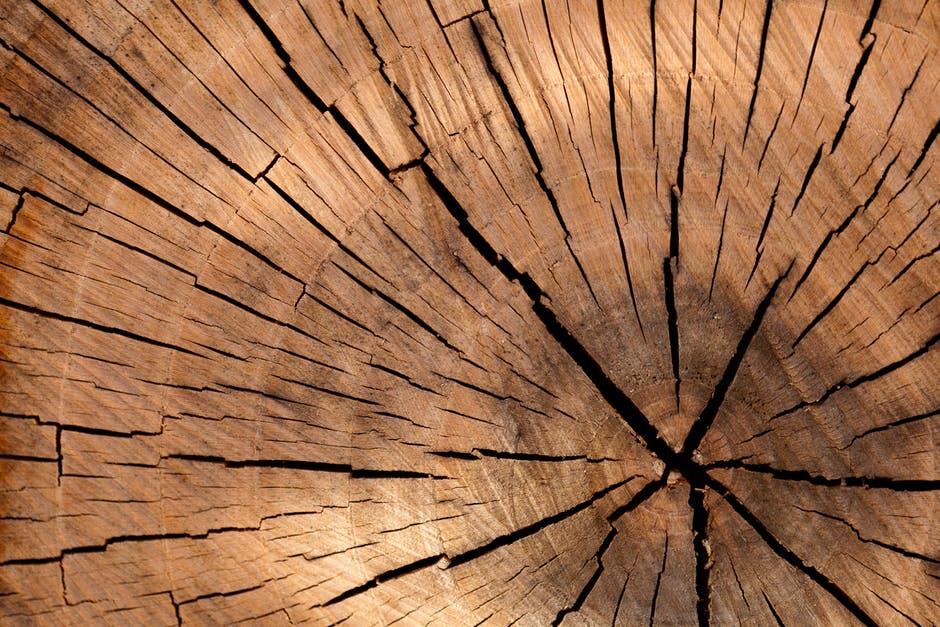
Tree stem of a dead tree

Trees are one of nature’s most beautiful gifts. Even a single tree located on your Nashville property has a special attraction to humans. Their grace and strength give them a character that we can connect with. They represent continuity and stability, something missing in modern chaotic life. They give us shade in the summer and put on a show in the autumn. Losing one is like losing an old friend. But at times, trees can present a serious risk to people and property within their reach. Trees seriously damaged by storms or disease are going to fall down. Because they are big and heavy, if they fall on a roof, a car, or a family member, there’s going to be serious damage. The most common way of dealing with this risk is tree removal.

5 Signs it May Be Time to Remove a Tree

Removing a tree is an extreme step. We can’t overemphasize the need to have an arborist, like the ISA certified arborists at Nashville’s leading landscaping service, the Parke Company, inspect the tree first. However, there are signs that a tree may be in trouble, and you can use those tips as the trigger to call the arborist.

  1. Rough, upturned soil under the canopy of the tree and particularly at the base of the trunk.

  2. The growth of mushrooms at the base of the trunk. These decay-producing fungi are easy to spot.

  3. Excessive chipped or peeling bark in the trunk.

  4. Dead or hanging branches located in the upper portion of the crown.

  5. Twigs on the end of branches that don’t have a living bud.

  6. Remember that these are just signs, not absolute proof that warrants the removal of a tree. If you see these signs, it’s time to call us.

If you can keep a tree, you can continue to benefit from its presence. Removing a tree and disposing of the debris can be a labor-intensive and expensive proposition. It’s not just a matter of cutting down a tree. That tree needs to be cut into lengths, a stump grinder needs to remove the trunk and roots, and a wood chipper is required to clean up the debris.

An arborist is in a position to recommend strategies to keep the injured tree. Those strategies might include pest and disease treatments and/or specific pruning. An arborist is the best person to tell you what path to follow.

Don’t Be Fooled by a Leaning Tree

Don’t jump to the conclusion that a tree is falling down just because it’s leaning. Trees will “lean” naturally to get more sunlight. If a tree is close to a structure, or too close to another tree, it will change the direction of the trunk to get a better shot at the sun. If a tree is leaning because of wind damage, you need a visit by the arborist. Often, trees that have been bent by wind can be recovered through cabling and bracing. Getting reseated takes a fair amount of time but you can save the tree and avoid the expense of tree removal.

If you have trees that you are concerned about, give us a call today and we can arrange for a certified arborist from the Parke Company to visit your property.


Summer Grass Care Tips for Nashville Lawns

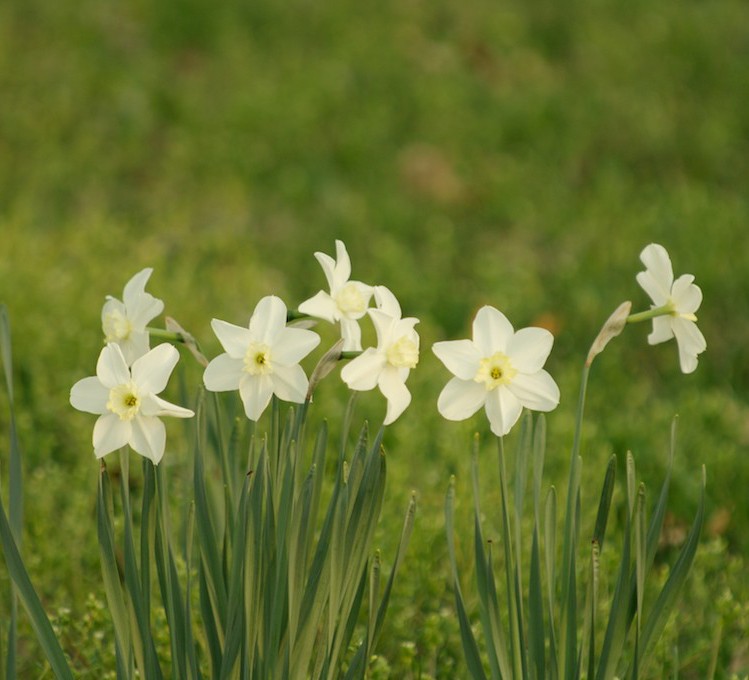
Flowers in a Nashville lawn

Summer is coming, Nashville, and it’s time to brush up on a few simple lawn maintenance tips to keep your grass looking lush and beautiful. The combination of hot

temperatures and heavy rains can do damage to your lawn. This is particularly true if it is planted with cool weather grass like  Kentucky bluegrass, perennial ryegrass, and fine fescue.

The key to keeping your lawn healthy in the summer revolves around two simple tasks: lawn mowing and watering. Done right, a properly mowed and irrigated lawn can stay lush and green throughout the summer. Done wrong, roots could be damaged, and the blades can be exposed to disease.

At the Parke Company, we have been serving the Nashville metro area as a premiere landscaping service for over three decades. We know the most common mistakes that homeowners make in their summertime lawn care. To avoid unintentional damage to your lawn, we are offering simple guidelines to keep your lawn healthy, lush, and green.

How to Care for a Nashville Lawn

Mowing – Buzz Cuts are Not in Fashion in Nashville

Mowing can be a hot, sweaty chore. It’s not surprising that some people give their lawns a buzz cut thinking that they won’t have to repeat the process as many times because it will take a while for the grass to grow tall enough to need another mowing. Unfortunately, if they do that often enough, they won’t have to worry about mowing at all because the grass will most likely turn brown and go dormant.

Taller grass is healthier grass. When grass is allowed to grow to 2.5” to 3”, it actually shades the soil, lowering the temperature and slowing evaporation. Here are a few tips on correct mowing.

  • Tune up your mower. Inspect/replace the spark plug and check for oil or fuel leaks. Most importantly, have the blade sharpened. A dull blade does not cut the grass, it tears it. Ragged tips on the grass invite disease.
  • Set the lawnmower to a 2.5” cut. If you are uncertain of the height, just set it as high as it will go.
  • Change up your mowing pattern. Mow north to south and then east to west on your next outing. Changing up patterns keeps the lawn looking level.
  • Using a mower with a bag or a mulching mower will minimize thatch buildup. Deep raking or thatching should not be attempted until the fall.

Watering – Giving Your Lawn a Tall Drink of Water

The University of Tennessee Agricultural Extension Service says that typically lawns need 1” to 1.5” of water per week. That’s a flow rate equal to 630 to 945 gallons of water. Infrequent, deep watering is far more effective than daily light irrigation. Ideally, the watering session will reach 4” to 6” into the soil.

The Extension Service advises that the best time to water to minimize evaporation and the possibility of watering lingering on the surface of the grass is between 3 a.m. and 6 a.m. If that’s not possible, try 10 a.m. to 1 p.m.

So, the takeaway is to use a sharp blade, don’t cut your grass too short, and give your lawn a deep drink instead of sprinkling daily.

Contact The Parke Company

Or, if you don’t have the time, contact us today. We offer a full line of lawn services including maintenance of shrubs and tree trimming.

Controlling Crabgrass and Dandelions Without Chemicals

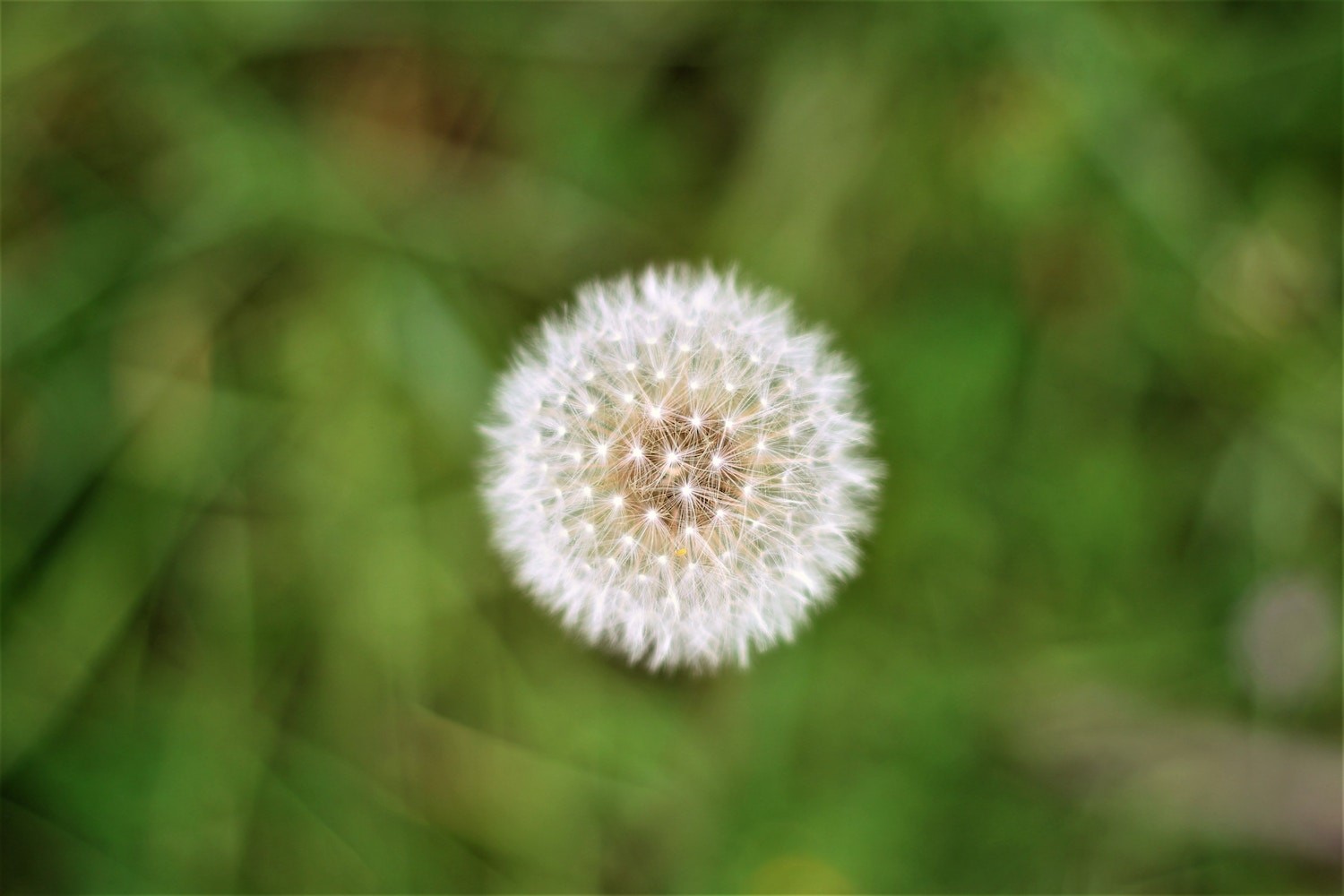
Dandelion in grass

Walt Whitman once wrote about weeds as “plants whose virtues have yet to be discovered.” We’re pretty sure that most Nashville residents are still waiting for those virtues

to be uncovered. Crabgrass tops the list of lawn complaints, while dandelions have both admirers and detractors.

Weed control is a lawn maintenance issue that affects all homeowners, and many of those homeowners want what seems to be an impossibility.

Homeowners often want to control weeds but not use chemicals. At the Parke Company, our 30 years of experience delivering superior landscaping services to the Nashville community tells us that a “natural” solution is possible.

The problem, of course, is that a natural solution takes time, possibly years. In an age of pre-emergent herbicides, few homeowners want to pursue a far slower strategy. But that may be changing. Where there is a consumer need that is not being met, entrepreneurs smell opportunity. That may be at play here when it comes to controlling crabgrass.

How to Get Rid of Weeds Without Chemicals

Crabgrass – Super Weed?

The best defense against crabgrass, or any weed, is a thick, healthy lawn that chokes out weeds before they can gain purchase. For crabgrass that means a healthy, thick lawn, and soil with the proper pH balance (7.0-7.5). Perennial ryegrass is the best competition for crabgrass. It also provides some insect control, as it emits a natural poison that gives some pesky bugs a lethal dose of natural insecticide.

And now, Iowa State University has studied an all-natural material that has amazing crabgrass stopping powers. Corn gluten meal, a product of milling corn, turns out to be a highly effective herbicide. Some manufacturers are adding potash and nitrogen to the meal to give the soil a boost as well. A systematic application of corn gluten meal results in 60% reduction in weeds of all kinds the first year, 80% the second year, and a weed free lawn the third.

Pretty powerful stuff.

Dandelions – Exotic Flowers?

When Walt Whitman was musing about weeds, he probably wasn’t including dandelions in that class of vegetation. The fact is, dandelions were intentionally imported to North America in the 1700s by colonists from Europe. Back then, they enjoyed a much better reputation and had a higher level of appreciation.

If you examine the “virtues” of a dandelion compared to crabgrass or chickweed, dandelions look downright attractive. Consider the following:

  •        Dandelions make a tasty wine
  •        They can be dried, ground, and used as a substitute for coffee
  •        Young dandelion leaves are used in salad
  •        They are a natural source of potassium, phosphorus, calcium, and vitamin A
  •        They are a natural diuretic


Still not buying it? Then get a weed fork and cut these rascals out of the lawn. Make sure you get the root, which can grow to 5 feet long. A dandelion has a two-year life cycle and you have to get rid of it before the end of the cycle. That’s when the flower is replaced with the fluffy white bloom that spreads seeds on the wind.

To prevent the growth of dandelions, fertilizing in the spring and fall are the best defense. Again, the thicker the grass, the less opportunity for weeds of any kind to thrive.

Contact The Parke Company

Another option, of course, is to let us take care of the issue. We provide a full line of lawn services including lawn mowing, shrub pruning, and tree trimming. Contact us today and let’s plan your “weed abatement” strategy together.