
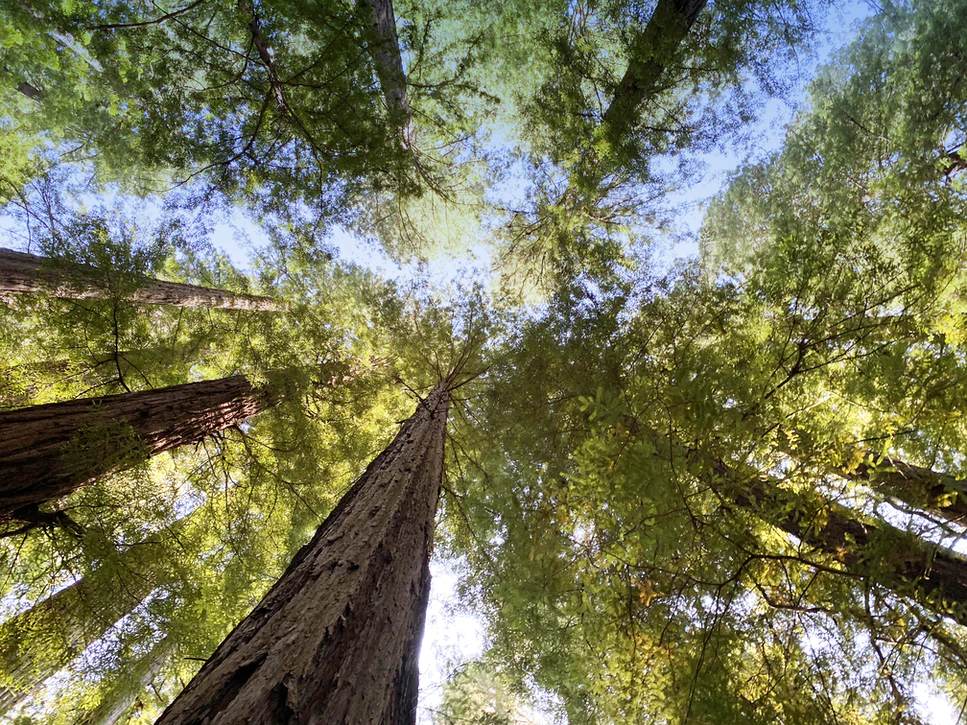
6 Signs It’s Time for Tree Removal

landscaping and irrigation

Trees, like any other plant, are living organisms. This means that they will die someday. Proper removal of dying trees is necessary, not only for the general health of your landscape, but also for the safety of your home.

Unstable, sickly trees are a serious safety risk. If their instability progresses too far, an unhealthy tree could fall into your yard or on your home. Even if a tree is not completely dead, a weak tree could easily be brought down by a storm.

The best way to circumvent this safety risk is by being proactive in maintaining the trees on your property. Always keep a close watch on your older trees to check for symptoms of illness. Here are six signs that it’s time for tree removal.

When Is it Time to Remove a Tree?

1. Lack of Leaves

Most property owners are aware of the fact that trees shed their leaves in fall and remain barren until spring rolls around again. You may notice, however, that the regrowth of leaves on your trees is a bit different from years prior. This could be one of the first signs of a tree’s failing health.

If you observe that a certain area of your tree has few or no leaves, this could be a signal of illness. A tree lacking or sparse in overall leaf coverage is likely dying and should be evaluated by your landscaping service provider.

2. Mushrooms At the Base of the Tree

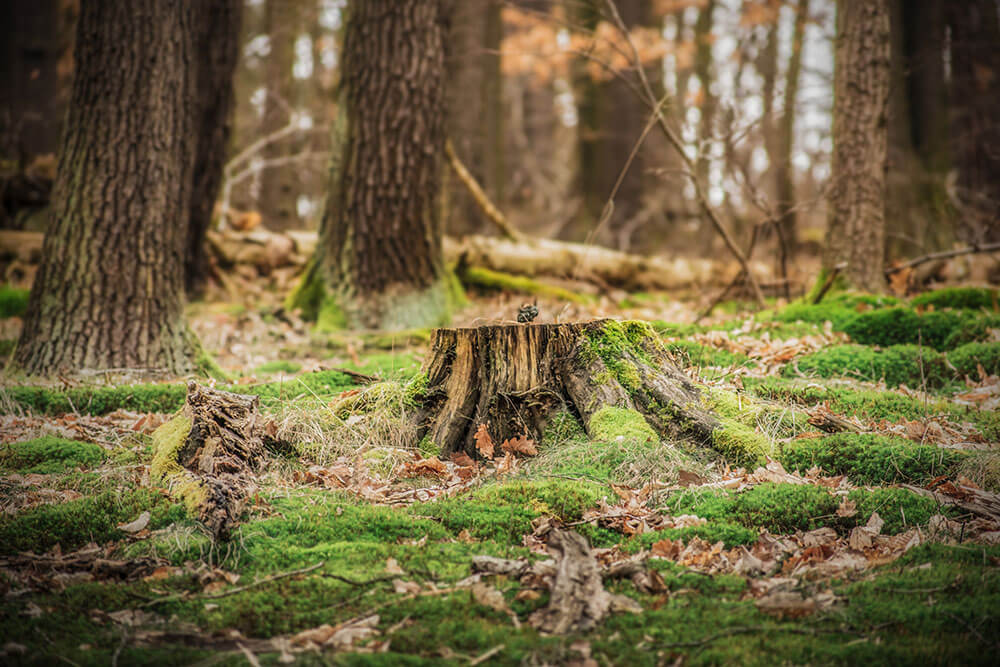
Mushrooms and other fungus-like organisms grow easily along the forest floor, but this is bad news for your trees. When large colonies of fungus grow on your trees, they infect the roots and trunk, causing damage that can result in serious instability and significant safety risks.

Unfortunately, if the growth of the fungus is progressive, little can be done to salvage infected plants. Many invasive organisms that commonly attack trees (such as honey fungus) cannot be removed with a fungicide.

Any trees that have not been seriously damaged by the fungus can be transplanted after careful examination, but many will have to be removed to prevent the spread of further infection.

3. Dead Branches

If you’ve noticed fungus growing at the base of your tree, you are likely to find collections of dead branches on the ground as well. Sickly trees often drop these fallen branches, which can then contribute to the spread of disease.

According to Tchukki Andersen, a certified arborist for the Tree Care Industry Association, when trees are sick or dying, they tend to shed branches to become “smaller” so that there is less of an organism to feed. This is not unlike when the human body cuts off blood flow to appendages to redirect blood to the heart and brain if necessary.  

Falling branches present a risk of falling and causing damage to your property or loved ones. When unattended, falling branches compromise tree stability, resulting in a potential fall.

4. Find Branches Without Buds

It is possible, however, to catch signs that branches may be dying before they even fall.

Carefully observing your trees’ branch health can help you spot early indicators of tree illness.

Tree limbs that lack buds where they have typically been present could be dying. If these same branches are also fine and brittle, snapping easily, this could also be a sign poor health.

Careful observation of branch health will help you avoid the larger risks that result when illnesses reach the trunk of a tree and compromise its stability. Be proactive and monitor your trees’ branches as a part of your regular landscape maintenance.

5. Bark Health

Like human skin, the bark of a tree can be a visible indicator of its overall health.

If bark has fallen off of a trunk leaving deep cracks and gouges, this could be a sign that the tree will need removal. These cracks in bark are often referred to as “cankers” and trees are likely to break or split in those areas, posing a serious threat to safety.

Evaluating a tree’s bark can also reveal its health status. This evaluation is known as a “scratch test”. To conduct a scratch test, simply peel away a small section of the bark from the tree’s trunk. If the underlying flesh of the tree is green, the tree is alive. If the bark underneath is brown and dry, this is a sign of decay.

When conducting a scratch test, make sure to test multiple branches since a sickly tree could still have a healthy branch or two.

6. Trunk Heath

While you’re conducting a scratch test, it can also be helpful to evaluate the health of your tree’s trunk as a whole.

If your tree’s trunk lists heavily to one side as a result of strong winds or a storm, this is a sign of weak roots and warrants removal.

A cavity or “owl hole” in your tree’s trunk may seem charming, but it can also signify a dying tree. Hollow portions of a tree trunk are never a good sign. These holes are typically the result of a fallen branch leaving a cavity behind and they tend to appear in old, dying trees. If you notice these types of cavities in your tree, have it inspected as soon as possible to avoid a costly disaster.  

It is important to note the difference between a sick tree and a dying tree. While dead and dying trees cannot be saved, sick trees can be helped if quickly diagnosed by a certified arborist.

From tree planting to tree removal, the care of your home’s landscape should be handled by experienced professionals. The certified arborists at The Parke company have the precise set of skills to properly evaluate the health of your trees and to help you take the next steps toward tree removal.
Give us a call (615-350-6033) or contact us online today to see how The Parke Company difference can work for you.
Home Irrigation and Water Conservation– Can You Do Both?

The Parke Company irrigation and water conservation

If you’ve got a green thumb, there’s no doubt that you care a lot about your property. It stands to reason that, as someone who values your land, you’re likely committed to caring for the environment as a whole. 

As more of the world focuses on green alternatives to everyday practices, lawn services and landscape maintenance practitioners are no exception. While many of us are taking shorter showers and riding bikes to work, property owners are also taking measures to ensure that the way they tend to their landscape is also eco-friendly. With as much water as it takes to maintain a landscape, water conservation may be the perfect place to start. 

It may seem like you have to choose: either you have a lush lawn and use excess water, or you can conserve water, but have a dull and lifeless lawn. 

While this may seem like a catch-22, you have other options! Here is what you need to know about conserving water while using a home irrigation system. 

Should You Incorporate Home Irrigation or Water Conservation?

Irrigation System Maintenance 

Making greener choices doesn’t always mean completely eliminating your daily activities that take a toll on the environment. When everyone does a little, it goes a long way to improving the state of the planet. 

One way to conserve water while still incorporating an irrigation system into your landscape maintenance is by making sure that your irrigation system is fully functioning. 

Aside from the fact that leaky sprinklers can jack up your water bill, malfunctioning irrigation systems can also waste precious water and lead to greater environmental impact. 

Regular maintenance of your irrigation system can keep you from wasting water. Check out this article for signs that your irrigation system needs to be repaired. 

Energy-Efficient Irrigation Systems

Another way to solve your lawn problems without harming the environment is to switch to a more efficient type of irrigation system. 

Using a system with time-controlled functions that can be easily adjusted as you experience rainfall can be helpful for conserving water. You can also set your system to water early in the morning, so that evaporation is reduced. 

The most efficient irrigation systems will also incorporate a rain sensor. Rain sensors are devices that can track how much rainfall an area of your property has received and can actually shut down any scheduled watering to prevent overwatering of the landscape. This way, you don’t waste water or damage your lawn. 

Holistically, you’ll also want to consider what kind of irrigation system is most appropriate for the area of land you’re watering. In-ground sprinklers are convenient, but they may be excessive for a small garden space and use more water than needed. Efficient irrigation begins with installation. 

Natural Irrigation 

The most eco-friendly irrigation system may not require excess water at all! 

Rainfall is obviously the most natural way for your landscape to maintain itself, but natural water may be of more use than you think. 

Rather than just letting water run off after a storm and losing valuable rainwater, consider containing extra rainwater and using it during dry spells. 

There are some sophisticated systems that can help you to maximize each rainfall. These systems will collect rainwater so you can lower your water bill and keep your lawn looking great without taxing the environment. 

If you’re looking for a low-maintenance way to harvest rainwater, it can be as simple as setting out some large empty barrels (especially near drainage pipes and gutter downspouts) and using the water in between rainfall. 

For property owners who want to care for the environment as much as they care for their own properties, expertise is key. The team at The Park Company has the exact skills necessary to tend to your property with eco-friendly practices that don’t sacrifice the beauty of your landscape design. 
Give us a call (615-350-6033) or contact us online today to see how The Parke Company difference can work for you.
Can You Plan Landscaping to Avoid Tree Damage to Your Home?

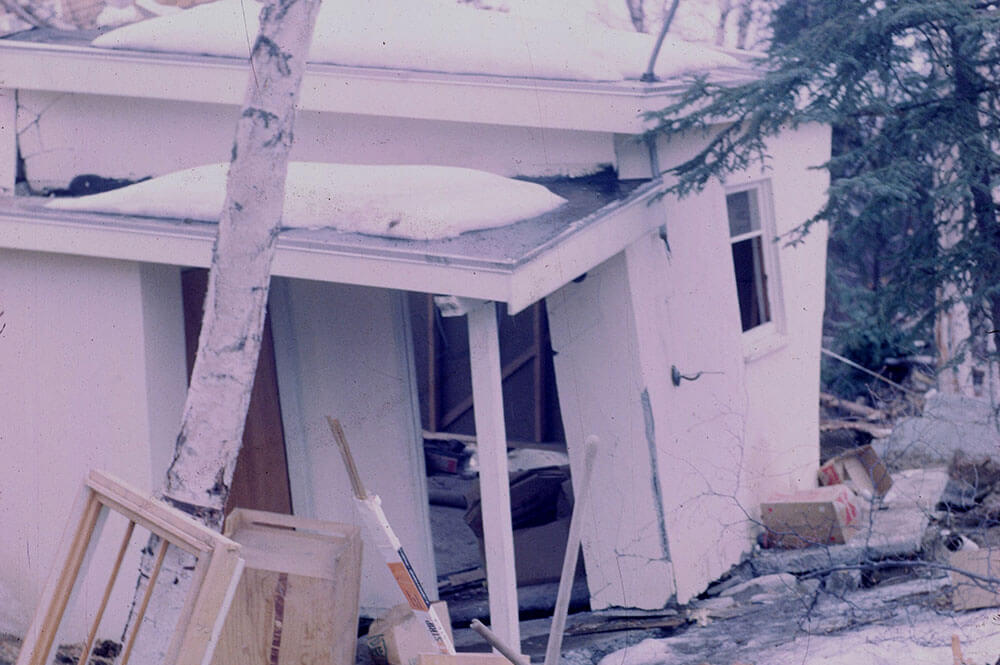
Damaged house landscape maintenance in Nashville

Sprawling green lawns and trees that reach up toward the sky can be magnificent features of your home’s landscape design. However, with Nashville’s unpredictable weather, there is a chance you might experience a powerful storm from time to time. 

It’s important that your landscape design protects against major damage that can be done in the event that a tree falls during inclement weather. 

Here is what you need to know about protecting your house against tree damage through a carefully planned landscape. 

How to Avoid Tree Damage with Landscaping

Strategic Planning

It goes without saying that where you plant your trees is important. If you have the option, never place trees so close to your home that a storm could send them through your house. 

In some situations, you may not have the capability of controlling where trees are planted. In this case, you would benefit tremendously from calling a certified professional to evaluate your trees. They will be particularly qualified to determine whether or not the locations of your trees are a potential issue.

Aside from location of trees, it is also important to consider what breed of tree is on your property. 

There are many types of trees like willows and sycamores that do not fare well in the wind. If you live in an area where high winds are an issue, avoid trees such as these in favor of a hardier breed like oaks or maples. 

Conduct a Tree Inventory

A tree inventory might not seem necessary on a private property, but it could mean the difference between a fallen tree on your house and a safe, healthy landscape. 

Tree inventories are careful evaluations of your landscape that pay close attention to the locations of your tree. Perhaps two trees have begun growing too close to one another and risk causing damage to your home if you don’t conduct proper tree trimming or tree removal.

Tree inventories are also a great way to check up on the health of your trees. Far too often, we don’t consider whether or not our trees are healthy until branches are decaying or fruit stops growing. 

At that point, it may be too late and you could be running a high risk of your house suffering damage in the event of an unexpected storm. 

By conducting a tree inventory, you can strategize about how to handle trees that may be sickly either through improving their health or hiring a certified arborist to remove them from your property. 

Care for Roots

What many people might not consider is that the roots can be the determining factor for whether a tree stays in the ground or not during a storm. While branches may be ripped off a tree singularly during a storm, the real damage occurs when trees are uprooted and strike a home. 

Be sure to plan your tree planting to ensure that your trees’ roots will have the proper room to grow and that root-health is a top priority of your landscape maintenance practices. 

Ultimately, trees are a massive feature of your home and they deserve massive care. This isn’t a job for guess work and mediocrity. The best way to keep your home and family safe is through contacting the experienced professionals at The Parke Company to see how they can care for your landscape’s specific needs. 
Give us a call (615-350-6033) or contact us online today to see how The Parke Company difference can work for you.
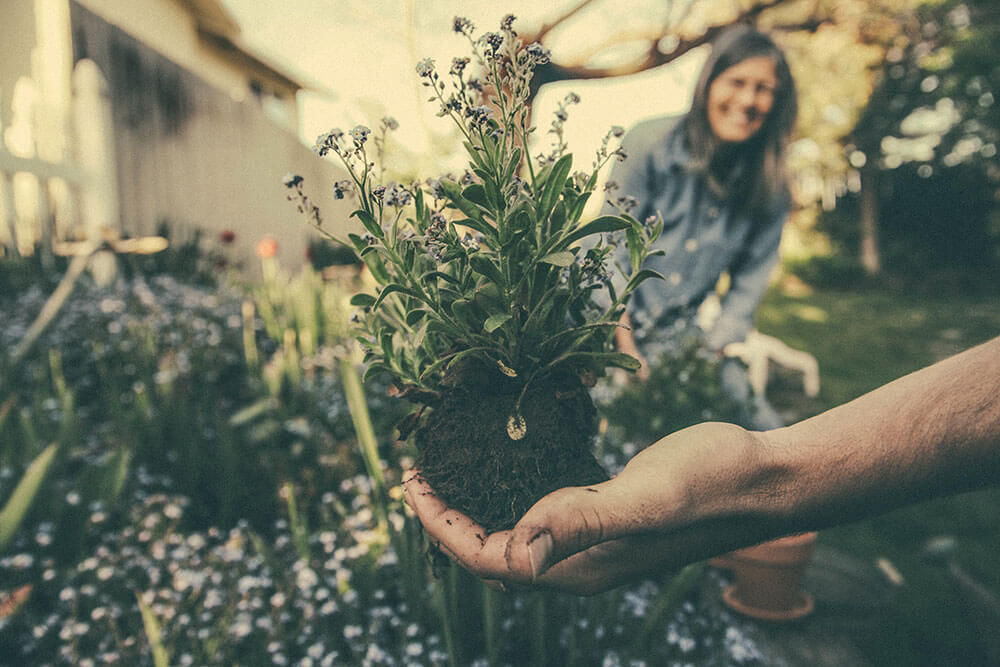
Landscaping and Gardening: Is Your Lawn Right for a Home Garden?

The Parke Company Nashville Treecare landscape services

A beautiful garden can be one of the most notable and enjoyable features of your property. Aside from gardening being a fun and rewarding discipline, it can also add invaluable curb appeal to your home. But even if you feel ready to begin the process of starting a garden on your property, there are a few things you need to consider in order to save yourself from a frustrating (and pricey) failure. 

Here are some things you should consider to determine whether or not your lawn is right for a home garden.

How to Determine if Your Lawn Right for a Home Garden

Tree Placement 

If you haven’t conducted a tree inventory yet, you’ll want to do so before you think of putting in a garden. Conducting a survey like a tree inventory will give you an informed perspective on the status and location of other plant life on your property. 

In most cases, if you haven’t lived on your property for very long, chances are good that you didn’t plant your trees and that their level of health may be beyond your knowledge. If you have a large, sprawling property, it’s even possible that you don’t know about all the trees on your land. 

It is vital to have a keen awareness of all of the plant life that is already part of your landscape so that you know how that could interact with or interfere with a garden. 

In most cases, a tree or two won’t hinder the growth of a new garden, but it’s important to consider whether or not plants already on your property may attract pests that could harm a dainty crop like what is often planted in a home garden. 

Shade Coverage

In accordance with an awareness of trees on your property, be aware of the amount of shade they provide to certain areas of your landscape. If a set of trees offers too much shade in the area you wish to plant a garden, you may want to consider tree trimming or tree removal. Too much sun could blister vegetation that isn’t hardy, but too much shade could also stunt their growth. 

If there is a particular area you’ve dreamed of placing your garden, be sure that it isn’t overshadowed by other trees or structures. 

Drainage

As anyone with even the smallest amount of garden knowledge can tell you, watering plants is important. 

When you care for your lawn, you ensure to water it properly and to make sure that it doesn’t get flooded. The same is true for a home garden. Check with your landscape professional to see if the plants you’re seeking for your home garden require a similar level of water to that of your lawn. 

If you have an irrigation system that automatically waters your lawn, you could capitalize on this and use that same system to tend to a garden. However, if the lawn’s need for water and the garden’s need for water are not compatible, you will need to adjust accordingly. 

Garden Vision

Finally, it’s important to know what exactly you want in your garden. Growing a bed of flowers is drastically different from growing tomato plants or corn. There is a strong chance that a vegetable garden, especially one with a wide variety of produce, is going to require much more attention to detail than a lawn. In this case, you will want to seriously reconsider your irrigation options. It may not be practical to cluster together a number of different plants with vastly different needs. In this case, consider whether or not using planters or pots outdoors could help you achieve a similarly beautiful (or maybe even more beautiful!) look for your garden. 

Regardless of the route you take, it is vital that you speak with a professional to properly assess the unique needs of your property. Go to the knowledgeable arborists and landscape designers at The Parke Company to ensure that your property is in the best hands. 

Give us a call (615-350-6033) or contact us online today to see how The Parke Company difference can work for you.

Kid and Pet-Friendly Pest Control for Your Lawn and Garden

A boy and dog smiling

Maintaining a lawn and/or garden is a bit of a balancing act, requiring a delicate touch. That tightrope becomes even harder to walk when you have children and pets to worry about. A good number of traditional pesticides and pest control methods contain chemicals that can lead to acute or chronic illnesses in humans and domesticated animals. So, how can you keep your greenery lush and healthy without harming the ones you love by accident?

The answer: utilize kid- and pet-friendly pest control options for your lawn and garden. You may be surprised by all the different ways you can keep unwanted actors away from your property while maintaining the safety of your kids and pets. Let’s go over some of the best options for proper garden and lawn maintenance.

Safest Ways for Lawn Pest Control

Horticultural Oils and Soaps/Sprays

Though they might sound like cleaning products or perfumes, horticultural soaps and oils are actually plant-derived formulas designed to target small pests like aphids and mites. The best part about these products is that they don’t harm beneficial insects, humans, or pets. Insecticidal soaps can also be made from home materials like vegetable oil, pure dishwasher soap, and warm water. Just be sure to do your research and test your formula on a plant before using it on your entire garden.

Diatomaceous Earth

This naturally-occurring pesticide often comes in the form of a dust or powder made from fossilized diatoms, which are microscopic aquatic lifeforms. The tiny particles kill harmful pests by sucking away moisture and fat from their exoskeletons. Researchers remain hard at work looking for potential negative effects diatomaceous earth may have on pets and humans, but so far there is no compelling evidence. In fact, versions of this material are often used as flea medications for cats and dogs.

Organic Insect Killers (Pet- and Kid-Safe)

Not all store-bought pesticides are toxic to humans and pets. In fact, more and more insecticide manufacturers are now creating safer products, knowing that people care about the safety of their kids and pets. EcoSMART is one such brand creating effective solutions that are safe, environmentally-friendly, chemical-free, and made in the U.S. Look for products that are useful for all sizes of lawns and gardens.

Mulch with Straw or Compost

Some lawn problems can be solved without the use of pesticides. At the very least, using the right kind of mulch can mitigate the number of pests and weeds that enter your green spaces. Mulching with compost or straw is just one way to protect your lawn, garden, and family. Many landscape services offer these mulching options.

Plant Certain Species to allow Predatory Pests

Another way to keep bad bugs away is to cultivate a good environment for “good” bugs. That is to say, if you can stomach it, it’s not a bad idea to create a home for some predatory pests, as they will gladly take care of a great number of other, smaller pests. Setting up this little ecosystem requires much patience and knowledge, so you may want to seek help from lawn services that specialize in this form of natural pest control.
Keeping your lawn or garden pest-free doesn’t mean you need to risk harming your children or pets. If you’re looking for more solutions and advice on maintaining your home’s green spaces, The Parke Company has the resources, knowledge, and experience you need. We offer a wide range of landscaping and tree services, including lawn aeration, irrigation, tree removal, mulching, and so much more. Give us a call today at (615)-350-6033.