When Is the Best Time to Restart Your Irrigation System in Nashville, TN?

Man fixing an irrigation system.

Nashville is no stranger to weird weather—from high heat to abnormally cold winters, we’ve seen it all lately. With winter slowly fading to spring, you might be wondering when the optimal time to restart your irrigation system for the growing season is.

How to Restart Your Irrigation System

Winter has finally relented, and things are finally warming up. The days are longer, and your green thumb is starting to itch. Whether this is your first or fifteenth year of using an irrigation system, it never hurts to review that yearly springtime irrigation start-up process. Whether you’re starting your irrigation system back up by yourself or are having landscapers like The Parke Company handle things, it helps to know how to restart an irrigation system.

The first step will be outside at your vacuum breaker fitting. Here, you’ll usually see a right-angled pipe with several shut-offs and a copper top. There are generally two test cocks that jut off from the pipe horizontally, and these need to be closed. During the winter, these let air into the system to prevent ice from forming in the lines. During the summer, they should be closed.

On some systems, there are bleeder caps that will go onto these test cocks. Once you close them, ensure these caps are tightly screwed back in place. Once these are closed, you’ll open the two shutoff valves on the vacuum breaker. By turning the handles to run parallel to the pipe, they are now open.

The next step takes us inside or near where the sprinkler system connects to the water, which can sometimes be outside. Turn the valve using the handle or specialized sprinkler valve key until the valve is open. This lets water back into the sprinkler system. Now, turn on your sprinklers at the main control point, observing each to make sure that the sprinkler heads are functional and free of damage. Inspect your lines and valve box for leaks or sputtering. It’s normal to observe the sprinklers sputter and blow air when they first start up, so don’t worry if that happens.

When Is the Best Time to Restart Your Irrigation System?

When should you turn irrigation back on? Erring on the side of caution regarding the last frost of the year is critical to making sure your system restarts properly and is undamaged. Frost above and below ground is a factor, so even if things are warming steadily, ice underground typically takes longer to thaw. It’s easy to check with a small spade or other tool. For Nashville, the very latest that frost occurs is in mid-April, so the best bet is April 15th or a bit later. For instance, with this winter season, things seem to be a bit warmer, and the Farmer’s Almanac puts April 7th as the last possible frost for our area. This isn’t an exact science, however, so keep an eye on weather forecasts.

Landscapers will often begin restarting systems in mid-April, but most yards won’t suffer if it doesn’t happen for a bit after that. Spring is generally fairly wet here, so your irrigation system may not be necessary for the first few warm weeks anyway. So the best time to restart your irrigation system in Nashville is mid-April. With this in mind, you should be well-prepared to get a great start on watering your landscaping every spring.

Maintaining and Upgrading Your Irrigation System

Equally important to starting your irrigation system at the right time is properly maintaining it while it’s operating and in the fall and winter months. From properly winterizing an irrigation system before the first frost in fall to protecting sprinkler heads from damage in the winter, a lot of hard work goes into maintaining a system. An irrigation system that’s well cared for can last for years, but not everyone has the time to do that. Leaving the irrigation work to your landscaper can be a great way to remove the stress of caring for your lawn and plants. For many people, gardening is a great hobby that can be incredibly fulfilling, but maintenance isn’t everyone’s strong suit. When you just want to get to the pruning, planting, and designing, hiring a landscaper can help relieve a lot of pressure.

Irrigation in Nashville is very important during dry summer months, but making sure everything is operating at peak efficiency can be tricky if plumbing and technology aren’t your strong suits. As every bill goes up with inflation, keeping your water bill low while still caring for your plants can only be done with a solid, fully functional irrigation system. Conserving water is a major part of what makes modern irrigation systems so important for our budgets and our environment.

If you’re exploring your landscape maintenance options, you may have stumbled upon The Parke Company. Just like there are many different types of irrigation systems, there are also a variety of different irrigation companies around Nashville. What separates The Parke Company from the rest is our year-round commitment to our customers, and we hope that’s obvious as we help with your specific needs. It’s our goal to provide general advice for handling things like irrigation here on our blog while giving you the information you need for using your particular system as well, whether that’s on the phone or in person. We offer landscape maintenance plans that can include irrigation maintenance, from winterizing to health checks and spring restarts.

If you need more advice on when to start your irrigation system this spring, do not hesitate to give us a call. Don’t let those lingering winter worries keep you from getting the best start this growing season.

Lawn Aeration Explained: Benefits, Cost, and Timing

Lawn aerator going through grass.

Lawn aeration may not be something that you’re familiar with when it comes to maintaining your landscaping, but you absolutely should consider this beneficial practice for your lawn this year. Here’s everything you need to know about lawn aeration, from its many benefits to the cost and the best time of year to have it done.

What to Know About Lawn Aeration

What Is Lawn Aeration?

At its core, lawn aeration is a simple process aimed at bringing air to your lawn. The turf is pierced with small holes during the aeration process. These holes enable the soil to have better airflow, hydration, and nutrition if done properly. Your lawn’s health is determined by how well things are going inches beneath its surface. Healthy grass has deep roots that help secure it and provide proper hydration year-round. As time goes on, soil begins to compact and become denser. When that happens, it’s harder for grass roots to penetrate to the depths that they need, leaving you with a lawn that’s malnourished and unsightly. By perforating the ground with aeration, water and airflow help to encourage deeper root growth while also reducing the density of aerated soil.

Benefits of Lawn Aeration

The benefits of aerating your lawn are many, from the aesthetic to the practical. While greener, thicker, and healthier-looking grass are all desirable aeration outcomes, aeration can also help make sure your landscape remains durable and ready for whatever might come. Aerated lawns with deep grass roots are a lot less susceptible to flood damage, soil erosion, and pest problems. The deeper your roots go, the more secure your topsoil will be. During droughts or the wet season, that security is critical to keeping your lawn’s overall structure.

While it may sound simple enough, there’s a lot that needs to happen to ensure that aeration isn’t actually harming your landscaping. Lawn aeration is a process that needs to be planned for, and with Nashville weather being what it is, that’s sometimes pretty tricky. A landscaping company like The Parke Company has decades of experience in landscaping in this region, making sure your specific grass is properly aerated and overseeded properly and at the right time.

The Cost of Lawn Aeration

So how much does it cost to aerate a lawn? That price can vary based on a few factors. Overseeding is also often conducted during the aeration process—a lawn that is already growing is seeded to maximize new growth. The “over” aspect has two meanings: you’re seeding over existing grass and turf, and in the process applying more seed than is probably necessary in order to make the most of a lawn’s highest growth opportunity. Depending on the seed needed for your lawn, the total price of aeration may go up or down.

Aerating your lawn isn’t always going to run you the same amount of money depending on the size of your lawn, type of grass or grasses involved, and the time constraints a landscaper is working under. Lawn aeration cost is usually within the ballpark of $15-$17 per thousand square feet, but these figures can vary. The value you get as a homeowner far outweighs the relatively low cost of this lawn maintenance practice. Aeration is not expensive by any means, and it is an affordable way to help your lawn get the nutrition it needs. If you can’t afford a cutting-edge irrigation system or frequent pest mitigation, aerating your lawn is the best and most cost effective way to care for its health. That said, just because you have irrigation and are pest-free, don’t overlook the great benefits of aeration. If you’re invested in the overall health of your lawn and landscaping, seasonal aeration is a great option to explore.

When Should You Have Your Lawn Aerated?

So now that we know how aeration works and roughly how much it should cost, you might have more questions, including: what is the best time to aerate your lawn? This question is key, because aerating your lawn at the wrong time can actually open it up to damage. You’re making hundreds or thousands of holes in the soil, and in the wrong season or with the wrong grass, it can actually allow too much moisture or heat into the soil or give pests free access to your grass’s roots.

Seasons absolutely matter when aerating and overseeding, or just aerating on its own. But it’s not as simple as waiting for good weather or the right temperatures. Depending on the type of grass in your lawn, aeration might be good in the fall, spring, or even summer. For that reason, it’s important to opt for professional landscapers, rather than trying it yourself. Being able to properly identify the type of grass that makes up a lawn is a skill that not everyone has, but landscapers are well-versed in just that. Many Nashville lawns are composed of fescue grass, which is a hearty grass that can put up with extremes in temperature and varying degrees of drought. Fescue grass is best seeded in the fall—specifically in September and October, unless things prove milder for longer. Being able to see the future isn’t a talent many people have, but landscapers must do their best to make sure that the right weather conditions are on the horizon for maximum effectiveness.

But what if you have some other kind of grass? Bermuda grass, for instance, actually benefits from aeration in the spring or early summer, along with St. Augustine and buffalo grass, which are also popular in the south.

How Long Does It Take to See the Benefits of Aeration?

How quickly your lawn reaps the rewards of aeration can depend on a few factors. Most grass seed takes at least two weeks to fully germinate and grow, so don’t expect improvement overnight. With that said, you may be able to observe your lawn looking fuller by week 3, with the full results usually appearing in 6 to 8 weeks or less.

By now it should be clear that on the whole, lawn aeration is a beneficial, relatively inexpensive, and somewhat particular process in terms of timing. In other words, this is a best practice for your lawn that should always be overseen by landscaping professionals like The Parke Company.

Ready to schedule your free aeration consultation and get an estimate from the experts who have served Nashville for decades? Give The Parke Company a call today, and find out just when your lawn should be aerated and what to expect in terms of cost and its benefits for your landscape.

What Causes Trees to Rot and How to Prevent Rotting Trees on Your Property

woman pruning tree

Trees are a huge time commitment for property owners and managers. If all goes well, they should outlive us and continue to provide shade for decades. Unfortunately, trees are susceptible to damage, disease, and rot like any other plant, and they’re not always equipped to give us obvious warning signs when rot does take hold. Let’s take a look at some of the causes of rot in trees and how you can prevent rotting trees on your property.

Rot and Tree Health

What causes tree rot? It’s well understood that a fungal infection is responsible for most types of tree rot. There are dozens of different types of fungi that can contribute to rot, and their warning signs aren’t always obvious. Some of the most common forms of tree rot include white rot, soft rot, heart rot, and root rot, but there are even more. Fungi feed on the cellulose and lignin in a tree’s wood. Basically, cellulose composes the softer but still sturdy wood you’re used to seeing in flexible saplings, whereas lignin constitutes the harder exterior and bark of a tree. No matter where these natural compounds are in or on a tree, they’re a perfect home to fungi. The fungus consumes the plant material within the tree and greatly weakens its structure. Rot can prevent water and nutrients from being transported within the tree, effectively starving it. Rot is not necessarily a death sentence for a tree, but prevention is the best method to keep your trees from dying prematurely.

Tree Maintenance

How do you stop a tree from rotting? Poor pruning and improper maintenance (or a full lack of maintenance) are huge factors in allowing trees to rot. Trees have natural defenses to fungal pathogens, but in nature, a certain population of trees is supposed to die. In a perfect world, without deforestation, natural diseases and infections like this would act to prune and balance the natural equilibrium. Trees do try to hold their own against rot, however. Their ‘immune’ systems work to isolate infections through a process called compartmentalization. This process essentially seals off an infected portion of a tree’s structure, preventing the fungus from traveling internally. But there are a lot of factors that can make a tree unable to properly protect itself. Compartmentalization works when the damaged areas are small, but if too much of a tree is damaged and exposed to fungal infection, it can kill itself by doing this. After hundreds of years of human influence on the environment, the odds are stacked against trees. That’s where we have to step in and help out. Here is how to prevent tree rot.

Pruning your trees yearly helps to prevent disease and further damage to the tree. By spotting and removing dying or dead limbs and branches before they’re allowed to fall, you give the tree a much better chance at healing properly. When a branch breaks free due to storm damage or rot, it leaves behind a wound that can allow fungal infections to enter through contact with other trees, birds, and insects. Even if a tree has already begun to rot, there are ways to stop or slow the effects of infection. This requires a proactive and watchful attitude on your part toward your trees.

How an Arborist Can Help

A rotting tree can hide its symptoms very effectively, because many external signs and symptoms don’t show up until it’s too late. Since fungi thrive on the interiors of trees far better than on the bark, it’s hard to spot rot without looking for it closely. That’s where the expertise of an arborist can make the difference between a dead tree and a healthy tree. An arborist is a trained tree technician who has unique knowledge and skills for effectively caring for trees. Arborists are tree experts who are skilled in planting, trimming, maintaining, and removing trees. While you might think you’re skilled enough to trim your trees on your own, consider that improper pruning can kill a tree if done poorly. Hiring an arborist is critical for protecting your landscaping and preserving the health and beauty of your trees. An arborist can look for signs of internal rot by analyzing the early, external signs that something is wrong. The early indications of issues include: wilting, spotty leaves, discolored leaves (out of season), and mildew coating leaves. A tree’s leaves are usually a good indicator of its health, but other factors like drought and heat can also cause leaves to dry out and yellow. That’s what makes it important to consult professionals at the first sign of an issue; the broad range of things that can go wrong extends beyond tree rot.

Other observable signs of rot in a tree are seen at the ground level or on the bark of a tree. Conks, or mushroom growths that develop like shelves on the outside of a tree, are obvious red flags for fungal infection. You’ve undoubtedly seen mushrooms on a tree’s exterior before, so it’s an easy thing to notice. Unfortunately, these kinds of symptoms are only visible after significant internal infection. Additionally, if root rot is occurring, you may observe mushrooms growing from the ground and trunk of the tree. This isn’t a sign that’s always noticeable, but if you see it, get help ASAP.

Once an arborist has identified rot in a tree, they will get right to developing a plan to treat the infection and prevent further damage. The best way to stop a fungal infection is by culling infected branches. If a fungus has infected the trunk of the tree, it’s not usually so simple. In some cases, arborists will recommend fully removing infected trees to prevent the fungus from spreading to nearby, healthier trees. Whether an arborist can cull branches or not, it’s important to note that the best option is prevention. The best defense is a good offense, so schedule yearly landscaping check-ins with a trusted arborist. If you’re in Nashville or the surrounding area, consider The Parke Company for your tree rot concerns. We have decades of experience in diagnosing, preventing, and treating wood rot of all kinds in a variety of local tree species.

Don’t let tree rot kill your trees and disrupt the beauty of your property’s natural landscape. Call the experts at The Parke Company today for a free estimate and consultation for comprehensive tree services.

Landscaping Services Your City Needs Before Spring

landscaping

With spring fast approaching, cities need to start preparing their landscaping for the new season of renewal and regrowth. From maintenance to new installation, here are some of the landscaping municipal services your city might need before spring.

Why Winter is the Best Time to Prepare Landscaping

We still have some time in the winter to get everything ready for spring, and there are a variety of reasons why starting municipal landscaping services in the spring is too late. So what benefits does winter offer landscape maintenance? What season is best to do landscaping? Well, winter is perhaps the best bet. Let’s explore a few reasons why winter is a good time for landscaping services in your city.

Dormancy

For one, winter means that plants and trees are in their dormant stage. While dormant, plants and trees are easier to observe and trim. For arborists, being able to see the limbs of trees unobstructed by leaves is important. They can better assess the health of a tree and determine if there are limbs that call for removal or possible spots that disease or pests may have entered or may enter in the future.

So, what part of winter is best? It’s late winter, almost universally. Trimming trees too early can cause tree wounds to dry out rather than heal naturally, so making sure temperatures are low but not too low is important. Other plants (like many shrubs) should be covered during the coldest months, making midwinter too early for uncovering them. It’s also hard to plant (or plan to plant) new trees or plants when the ground is still frozen. In late winter, that frost has cleared up, making digging much easier.

Irrigation System Installation

Late winter is the perfect time to have an irrigation system maintained, or have a new one installed to support a municipal landscape. Moisture is important for plants and trees even in the winter, so cities may find themselves needing to use irrigation during the colder months if the area remains dry. Drought can happen anytime, even in the winter. A winterized, well-calibrated irrigation system can be ready for winter whenever to make sure that the proper moisture level is maintained to support local municipal services.

It’s also possible to install a sprinkler system in the winter, and it’s best to have it done before spring is in full swing. Waiting until the ground is easy to dig in is important, so late winter works best for installs as well. If there’s snow on the ground, cities are going to be waiting a bit longer for installation. City or not, earlier is better. Don’t hesitate to schedule an installation early, because when it comes down to the last minute, things get hectic! Get the jump on spring watering and install your sprinkler system this winter.

Winter Cleaning

Even the most skilled landscaper cannot pluck every dead leaf from a tree to make sure it doesn’t fall once fall cleanup is over. Stubborn trees like maples can sometimes hold onto leaves until well into winter, and it’s only then that you’ve got a second leaf cleanup ahead of you. That’s true for municipal spaces like parks as well. Leaf removal is a lot easier in the dry winter months than the wet spring season. Other landscaping services like brush clearing are a lot easier when the leaves aren’t there to get in the way and take up space. Having easier access to small trees and other bothersome weedy plants in need of clearing makes brush cleanup much simpler in the winter. It’s important to keep in mind when clearing brush and weeds that poison ivy can still cause a rash even without its leaves. It pays to have professional help, from the little things like brush clearing and mulching all the way up to tree removal.

Tree Inventories

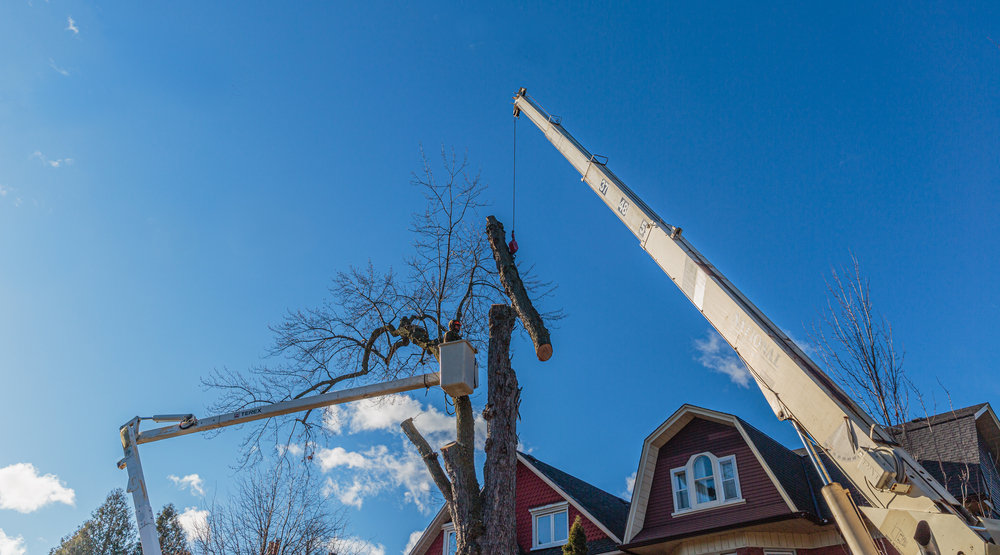
Tree inventorying is a large part of any municipal landscaping services. Tree inventories start basic, with a count of trees and a breakdown of different types of trees, but things don’t stop there. Arborists can use tree inventories to determine optimal pollination positions, disease risk, opportunities for new trees, and a variety of other important landscape maintenance musts. Cutting down dead or diseased trees is also best done in the winter. Without leaves, trees can be cut down in segments much more easily. Rather than felling a tree whole, cutting a tree down in segments can be safer and much lower risk to the surrounding trees and vegetation, structures, or powerlines. Having an insured, experienced tree service remove your trees or dead limbs is critical for your safety and the safety of those around you. Damaged power lines and roofs can be fixed, but human lives are irreplaceable. There is a great deal of danger in cutting down trees, so leave it to the professionals.

Municipal Landscaping Quality for You

With all this knowledge of how municipal landscaping services get things done in the winter in preparation for spring, you might be wondering: how do I prepare my landscaping for spring? Well, if you live in the Nashville area, we can help. From sprawling multi-acre parks to a single backyard, our landscaping professionals at The Parke Company are skilled, efficient, and willing to go the extra mile. Whether you need a new irrigation system installed, a tree inventory of your own, or just re-mulching, we can help you this winter. Don’t try the hard stuff on your own, and know that the professionals you hire via the Parke Company have the ability to tackle even large-scale projects.

The Parke Company supports many local municipalities with landscaping maintenance and services all year round. The winter season is an important time for upkeep, cleaning, and even new work. City park or backyard, we’re here to help. If you’re ready to explore the comprehensive services we can offer, give The Parke Company a call today.

Top Reasons to Tackle Tree Pruning Before Winter is Over

tree pruning

Trees are among the most important living things on Earth, providing oxygen, scrubbing carbon dioxide from the air, and keeping soil from eroding. Trees are also an invaluable component of landscaping, providing shade, aesthetic beauty, and a variety of benefits to the soil and surrounding fauna. But trees need help getting all of that done. Just like we humans benefit from routine grooming, trees are a lot better off if they lose some of their old, dead (or dying) branches and limbs. This process is known as pruning, and the winter is actually the best time to get it done, ensuring that you have a healthy tree year-round.

The Importance of Pruning

Pruning trees does a lot more than just maintain their natural beauty. Removing dead or dying branches is incredibly important for a tree’s health. While you may believe that you can prune your trees yourself, that’s not really a good idea. While pruning is necessary, there are many ways it can go wrong and actually introduce disease and rot into your trees. Knowing what trees need pruning, how to prune them, and when to prune them are all things best left to the arborists.

What does pruning do for trees, exactly? Pruning can help your trees in a variety of ways, and it can also give you peace of mind when there are strong winds or a winter storm. The primary focus of pruning is on dead or dying branches and limbs. By removing these unhealthy extensions, healthy growth is encouraged in other locations on the tree. Dead limbs create hazards for the trees and you and your property. Openings in dead limbs can let pests in and also enable diseases like Dutch elm disease to enter the tree, effectively killing it from the inside.

Removing dead limbs that could fall and cause damage to your landscaping and home, or even people in your yard, is also very important. Falling limbs can be far more than unsightly issues you have to deal with – they can have huge repercussions on your home if they damage the roof, siding, trim, or gutters.

Why Winter for Tree Pruning?

Pruning trees in winter might seem like a strange proposition. First of all, isn’t it much harder to see what limbs are dead without leaves? And can’t the cold air hurt the tree if it has wounds from pruning? Despite these concerns, rest assured that there are many reasons why winter pruning is perfect for most trees. When done correctly, pruning in the winter is hands-down the best way to protect a tree’s health. So why do you trim trees in the winter?

Winter Helps You See the Tree

Despite the fear that the absence of leaves won’t provide you with a good idea of a tree’s health, winter is actually the best time to analyze a tree’s structure. Without leaves, arborists can identify limbs that are dead using a variety of other signs. Another important benefit of a bare tree allows you to determine places where branches make frequent contact. Crossing branches can rub the bark from the branches they’re in contact with, allowing pests and diseases easy access to the tree’s stems. When a tree is bare, it’s much easier to see crossing branches and overly heavy branches that can be removed to protect its structure and provide better aesthetics.

Protecting Your Lawn

Winter tree pruning is best done in late winter, (February and March) because these plants are fully dormant – this is the best time to avoid traumatizing a tree. If the ground is frozen, even better! Frozen ground will better support the equipment used when trimming trees, meaning your lawn will be less disturbed and damaged by ladders and lifts.

Easier Clean-Up

By removing dead limbs in the winter, you’re reducing the number of dead branches that’ll be raining on your lawn when spring winds start. Spring cleaning benefits a lot from winter forethought. And when you leave tree pruning to the pros like The Parke Company, you can trust we’ll clean up after ourselves. If you’ve had a lot of limbs removed, they can even be mulched for use in garden beds in the spring! If you have dead trees to remove, winter is a great season for that as well. When a tree is rooted in soft ground and being felled, there is a slight risk of the roots pulling up. This can gouge out your lawn, leaving an unsightly hole after the tree is removed.

Creating Healthier Trees

When you prune trees before new growth starts, you ensure that your tree is devoting energy and nutrition only to healthy growth. When a plant is dormant, it has more energy to devote to healing than if it was trimmed during the spring or summer when growth is a much bigger priority. It’s not just a matter of removing dead limbs, however. Properly pruning a tree takes experience. The wrong cut can make it so your tree doesn’t properly heal. Trust us – it can get fairly complicated to make healthy cuts.

Winter Pruning Exceptions

There’s an exception to every rule, and that’s true for pruning. So, what trees should not be pruned in winter? While a majority of deciduous trees (trees that lose their leaves annually) are best trimmed in the winter, not every tree follows that rule. For instance, spring flowering trees like magnolias, redbuds, and cherry trees should not be trimmed until after they flower in the spring.

More Winter Pruning Advice

There is such a thing as too early when pruning trees this winter. If you’re too early and the wounds are exposed to extreme cold (which Nashville is no stranger to), they can dry up and not heal properly. Additionally, wet winter weather can allow waterborne diseases to easily access the stem of your trees.

Try to prune when it’s dry and relatively mild in terms of temperature. Since winter is unpredictable, that’s a much safer bet later in the season.

Set Up Your Trees for Success with Professional Winter Pruning

Winter is the perfect time to prune the majority of the trees we have in our region. At The Parke Company, our expertise is not limited to landscaping. Our trained arborists can help you year-round with maintenance plans geared toward tree pruning and protecting the health of your yard’s entire ecosystem. This winter, let the experts at The Parke Company tackle your tree pruning so you can have the healthiest trees come springtime. Give us a call today to explore our tree service options before winter comes to an end.