5 Keys to Quality Landscape Irrigation in Nashville, TN

The Parke Company irrigation services leaf

earth-friendly-parke-irrigation-nashville-tennessee

Your property is dynamic and each area has its own specific needs. In order for the area to thrive, it must receive the appropriate levels of water. Irrigation maintenance can be taxing, but with these simple tools and the assistance of an irrigation designer, your property will blossom into the ultimate lush landscape.

1. Adapt: Adjust your watering schedule to accommodate the current weather, season and soil type. In Nashville, soil typically contains combinations of clay, silt and loam, which retain more water than sandy or chalky soils in other areas of the country. It’s important to familiarize yourself with your irrigation controller and change settings according to weather conditions on a regular basis.

2. Customize: Each individual zone in your irrigation system may require different amounts of water. Consider the type of sprinkler needed and the amount of sun exposure in each area for appropriate distribution.

3. Timing is everything: Water your property at the best times of day: when the sun is low or down and winds are calm. You can lose up to 30% of water simply by evaporation if you water in the middle of the day.

4. Use your resources wisely: Be careful not to over-water, which can result in shallow roots, disease, fungus and weed growth. Also, make sure to adjust sprinkler heads and clear any obstructions to prevent excessive water collection on pavement or structures. Each day, as much as half of the water used for landscape irrigation nationwide is wasted due to over-spraying on sidewalks or evaporation, so it’s best to check your work.

5. Seek professional help: Monthly inspections and professional system audits assist you in testing all areas of the property and ensure quality water distribution. Audits and inspections are cost-effective and earth-friendly.

If you are in need of professional services, contact the Parke Company at 615.350.6033 for any landscape and irrigation concerns. These professional irrigation contractors will assist you in building or revitalizing your irrigation system. Their experience with Nashville soil will benefit your property for years to come.

Invasive Species Plague Nashville Trees and Plants

Invasive plant species are nothing to laugh about. Though self-explanatory, these species can be dangerous for your “urban forest”, including your trees. Not only are they hard to identify if you’re unsure, but they also are hard to get rid of without professional help. The Parke Company can help in identifying these species and show you the proper steps in getting rid of your invasive species.

According to the UGA Center for Invasive Species and Ecosystem Health, there are 403 invasive species reported within the state of Tennessee including herbs, grass, trees, shrubs, vines and aquatic plants. Annually, invasive species cost the state of Tennessee about $2.6 million. Davidson County is the second largest county with the most reported invasive species at 293.  Though prominent, if you can identify and understand what these species do, you’re one step closer in making sure your trees and yard stays happy and healthy.

Top four invasive species in Nashville, Tenn.:

1. Bush Honeysuckle (Asian Bush Honeysuckle) — This is a very prominent bush around Middle Tennessee, and is made up of about five species. The scrubby underbrush spreads by birds who feed off their fruits. Originally native to Asia, these invasive species can harm native plants and have negative impacts on wilderness regeneration. This shrubs can range anywhere from five to 20 feet and produce yellow flowers and red and orange fruits.

2. Japanese Honeysuckle — The Japanese Honeysuckle is a vine that grows and twists up small trees and limbs. Native to Japan and Korea, this perennial has few natural threats in the Nashville area. It grows fast and can overtake native species quickly. Its prey (small trees and shrubs) can die if the honeysuckle grows and twists too tightly around the plant preventing water intake. In addition, the dense growth of the vine can prevent necessary sunlight. The Japanese Honeysuckle can reach up to 80 feet long and can reach up to 2 inches thick. During the spring and summer, the plant has fragrant white and/or yellow flowers.

3. Japanese Privet: Similar to the Japanese honeysuckle, the Japanese Privet can dominate plants by dense growth and prevent sunlight, which in turn, can kill native species. Often found along fencerows, streams and forest margins, this plant has rapid reproduction rates in a variety of habitats, which makes them hard to eradicate. Japanese Privet can grow up to 30 feet tall, with shallow but extensive roots. With aromatic blossoms during the springtime, the branches arch downward.

4. Japanese Stiltgrass: This grass grows in low light and moist to dry locations. The plant sprawls out in large patches throughout these areas invading other plants. The species has long, pale green leaves that range from 1 to 3 inches. The stiltgrass can reach a height of 3.5 feet virtually killing off native species that can’t compete.

From Bellevue to East Nashville, invasive species are common problems within the city, as well as the surrounding county.  It’s important to be able to identify and treat the problem before they harm your trees and other plants. The Parke Company can help answer any questions or help identify any invasive plants you might have on your property. For more information or a free estimate, email danbeasley@theparkecompany.com.  For more information on invasive species, visit www.tneppc.org.

Importance and Causes of Fallen Trees

Driving to and from work can be a pain. We’ve all been there. Traffic jams, running late and even the occasional fallen tree. Good thing the Parke Company is there. Though they can’t clear traffic or give you an extra 15 minutes in the morning, they can help clear road blocks caused by fallen trees.

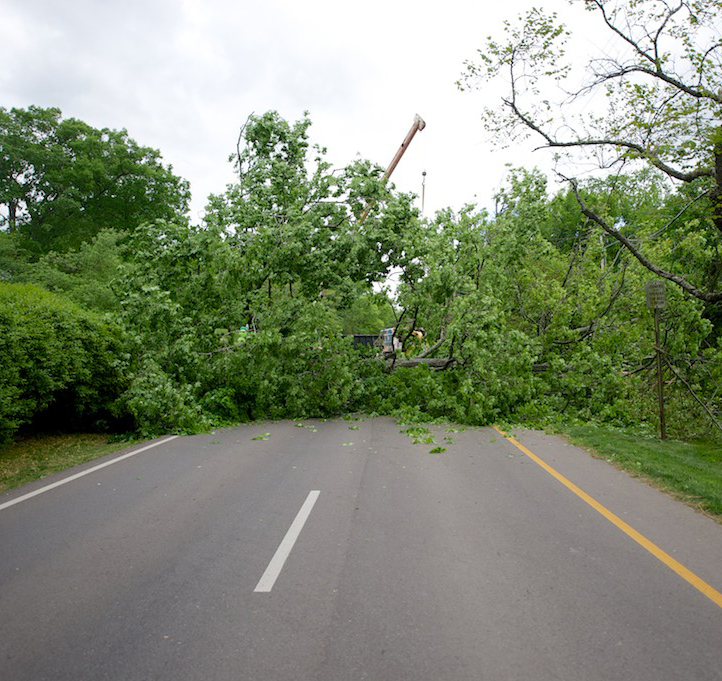
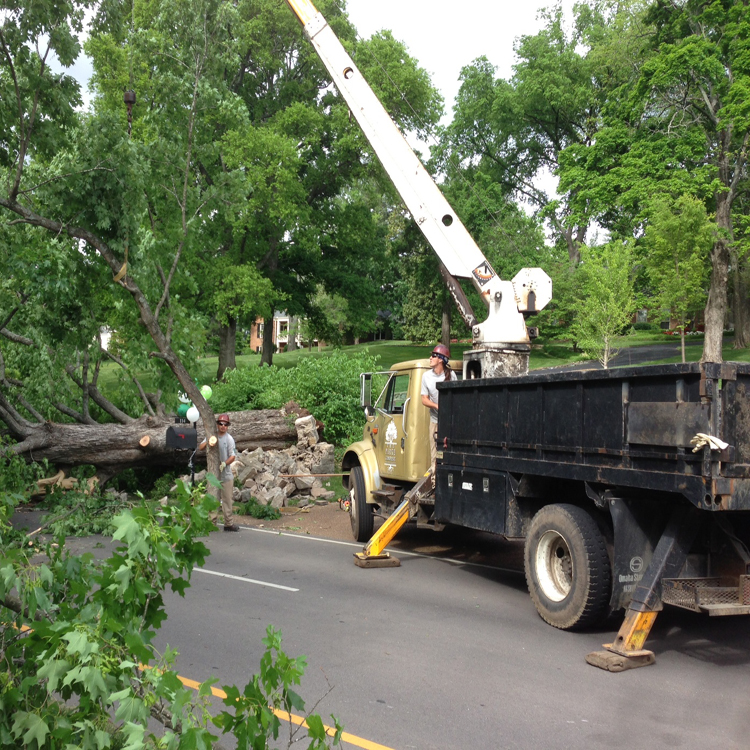
For many reasons, trees can fall across major roadways causing road congestion, injuries and/or damage. Most recently in City of Belle Meade in Nashville, the Parke Company worked to remove a fallen sugar maple that not only hit the road, but also a car. Luckily, the driver was not hurt, but the Parke Company crew and the Belle Meade police department had to work quickly and efficiently (for almost 2 hours) remove the tree and clear the road.

The causes of the fallen tree are many. While root rot is very common, several factors are at play for such an incident:

  1. Root rot, which is found in older trees, is a fungus that penetrates and kills the roots. Root rot manifests in bad soil conditions and, in result, can create unstable trees.
  2. Wet soil can sometimes be a factor. Heavy rainfall, certain types of soil and poor drainage can all be an issue.
  3. Previous leaning can be another cause. If the tree was leaning on a slope before, it’s possible that gravity took intuitive for the fall.
  4. Common constructed features like fences and stonewalls can sometimes be problems for trees as they continue to grow. These man-made objects might block or damage the tree causing it to collapse.
  5. Mechanical injuries are possible culprits as well. These are physical injuries to the tree, which can cause problems in the future. Though these physical injuries might take years to develop into something fatal, something so small as the cord of a weed eater can cause eventual, lifelong damage.
With the help of City of Belle Meade Public Works, Belle Meade City Manager office and their police department, the Parke Company was able to remove the tree safely without any harm to the public or surrounding area. Though there is no specific cause to point blame, there are many factors that can contribute to a beautiful sugar maple’s demise.  The importance of taking care Nashville’s trees is obvious. With proper care, the likelihood of disaster is less likely. For more information about the Parke Company and their removal services, please call 615-405-6548.

Don’t Let Pollen Allergies Get the Best of You This Spring

Pollen allergies  — what an awful feeling for anyone who’s had the displeasure of experiencing such a thing. The running nose, the watery eyes and overall hit-by-a-truck feeling are anything but pleasant. And yet, how are you supposed to enjoy the beginnings of spring if the first thing you do when you step outside is sneeze?

Airborne pollens are deposited close to the tree from which it was released. You are more likely to have a reaction to the pollen if the tree is in your yard, as opposed to trees few houses down. The Parke Company can discuss with you hypoallergenic alternatives for your yard and how to properly maintain trees with high pollen levels already on your property.

Some things to consider if you live with pollen allergies:

Get allergy tested: Go to the doctor to determine what pollen is causing a reaction. This will allow you to specify what trees and plants you can be around and which ones you should avoid.

Plant your trees accordingly: Once you’ve determined what trees and plants you can be around, plan your landscape accordingly and eliminate the plants you have a reaction with.

Keep up with the pollen index: Check the Nashville and Middle Tennessee’s pollen index regularly. This will give you an idea as to when pollen is most prominent and reactions are possible. Plan your outdoor activities when pollen levels are at their lowest.  According to Prevention Magazine, the time of day levels are lowest is mid to late afternoon. In comparison, the time of day when pollen levels are the highest is during the morning from 5:00 a.m. to 10:00 a.m. and early evenings.

Preventing pollen allergies are not 100 percent guaranteed, especially if you live near high tree-populated areas such as Edwin Warner Park or Shelby Bottoms, but the best you can do is take precautions when you are most susceptible. Talk with the Parke Company about trees and plants that create less pollen levels in your yard. The Parke Company can also assist in transplanting trees that cause severe allergies for you, your family or employees. For more information on pollen and The Parke Company’s services, call them at 615-405-6548. In addition, be sure to visit the Weather Channel’s website for a daily pollen count of Nashville.

Trees and Tornadoes: Handling Severe Storms in Nashville

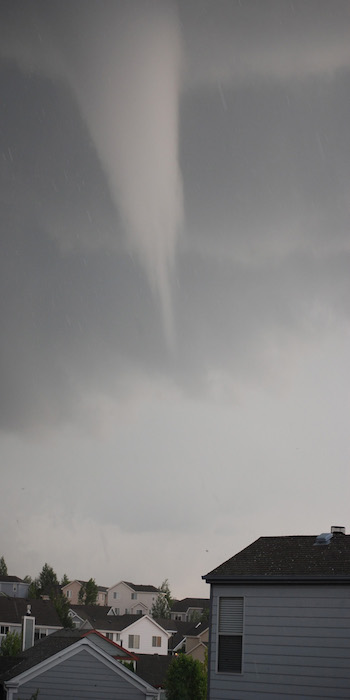
Tornado season is underway and a real threat in many parts of the country. These deadly storms can whisk an entire piece of land away in a matter of minutes without much warning. It is important to stay cautious and be prepared if a tornado or a large storm comes through Nashville.  Have an emergency kit for your home, discuss your emergency plans with your family and be sure your house is well maintained. So, is there anything you can do for your yard? Unfortunately, since the landscape can’t come inside with you, you have to be sure your trees are armed against the elements.

  • Have a health evaluation done on your tree regularly to ensure your tree can stand strong against large storms. The Parke Company can do a comprehensive analysis of your tree regarding insect infestation, disease, and water and soil conditions.
  • Remove any access deadwood or brush. This small and easy chore is necessary for many reasons, including severe storm and tornado safety. This will decrease the risk of limbs and other brush falling on your property causing damage.
  • If a tree does fall after a severe storm and/or tornado, call the Parke Company’s emergency services for assistance. They will be able to help you with services such as tree removal, stump grinding, clean debris, and chip and mulching to restore your home back to how it was before the storm.

From the hills of Bellevue to the neighborhoods of East Nashville, Nashville and Middle Tennessee are areas to be cautious of severe storms and tornadoes during this time of year. Be prepared for every level of severity for both inside your home and outside. For more information about the Parke Company’s services, including their emergency service, call (615) 405-6548.