Landscaping Services Your City Needs Before Spring

landscaping

With spring fast approaching, cities need to start preparing their landscaping for the new season of renewal and regrowth. From maintenance to new installation, here are some of the landscaping municipal services your city might need before spring.

Why Winter is the Best Time to Prepare Landscaping

We still have some time in the winter to get everything ready for spring, and there are a variety of reasons why starting municipal landscaping services in the spring is too late. So what benefits does winter offer landscape maintenance? What season is best to do landscaping? Well, winter is perhaps the best bet. Let’s explore a few reasons why winter is a good time for landscaping services in your city.

Dormancy

For one, winter means that plants and trees are in their dormant stage. While dormant, plants and trees are easier to observe and trim. For arborists, being able to see the limbs of trees unobstructed by leaves is important. They can better assess the health of a tree and determine if there are limbs that call for removal or possible spots that disease or pests may have entered or may enter in the future.

So, what part of winter is best? It’s late winter, almost universally. Trimming trees too early can cause tree wounds to dry out rather than heal naturally, so making sure temperatures are low but not too low is important. Other plants (like many shrubs) should be covered during the coldest months, making midwinter too early for uncovering them. It’s also hard to plant (or plan to plant) new trees or plants when the ground is still frozen. In late winter, that frost has cleared up, making digging much easier.

Irrigation System Installation

Late winter is the perfect time to have an irrigation system maintained, or have a new one installed to support a municipal landscape. Moisture is important for plants and trees even in the winter, so cities may find themselves needing to use irrigation during the colder months if the area remains dry. Drought can happen anytime, even in the winter. A winterized, well-calibrated irrigation system can be ready for winter whenever to make sure that the proper moisture level is maintained to support local municipal services.

It’s also possible to install a sprinkler system in the winter, and it’s best to have it done before spring is in full swing. Waiting until the ground is easy to dig in is important, so late winter works best for installs as well. If there’s snow on the ground, cities are going to be waiting a bit longer for installation. City or not, earlier is better. Don’t hesitate to schedule an installation early, because when it comes down to the last minute, things get hectic! Get the jump on spring watering and install your sprinkler system this winter.

Winter Cleaning

Even the most skilled landscaper cannot pluck every dead leaf from a tree to make sure it doesn’t fall once fall cleanup is over. Stubborn trees like maples can sometimes hold onto leaves until well into winter, and it’s only then that you’ve got a second leaf cleanup ahead of you. That’s true for municipal spaces like parks as well. Leaf removal is a lot easier in the dry winter months than the wet spring season. Other landscaping services like brush clearing are a lot easier when the leaves aren’t there to get in the way and take up space. Having easier access to small trees and other bothersome weedy plants in need of clearing makes brush cleanup much simpler in the winter. It’s important to keep in mind when clearing brush and weeds that poison ivy can still cause a rash even without its leaves. It pays to have professional help, from the little things like brush clearing and mulching all the way up to tree removal.

Tree Inventories

Tree inventorying is a large part of any municipal landscaping services. Tree inventories start basic, with a count of trees and a breakdown of different types of trees, but things don’t stop there. Arborists can use tree inventories to determine optimal pollination positions, disease risk, opportunities for new trees, and a variety of other important landscape maintenance musts. Cutting down dead or diseased trees is also best done in the winter. Without leaves, trees can be cut down in segments much more easily. Rather than felling a tree whole, cutting a tree down in segments can be safer and much lower risk to the surrounding trees and vegetation, structures, or powerlines. Having an insured, experienced tree service remove your trees or dead limbs is critical for your safety and the safety of those around you. Damaged power lines and roofs can be fixed, but human lives are irreplaceable. There is a great deal of danger in cutting down trees, so leave it to the professionals.

Municipal Landscaping Quality for You

With all this knowledge of how municipal landscaping services get things done in the winter in preparation for spring, you might be wondering: how do I prepare my landscaping for spring? Well, if you live in the Nashville area, we can help. From sprawling multi-acre parks to a single backyard, our landscaping professionals at The Parke Company are skilled, efficient, and willing to go the extra mile. Whether you need a new irrigation system installed, a tree inventory of your own, or just re-mulching, we can help you this winter. Don’t try the hard stuff on your own, and know that the professionals you hire via the Parke Company have the ability to tackle even large-scale projects.

The Parke Company supports many local municipalities with landscaping maintenance and services all year round. The winter season is an important time for upkeep, cleaning, and even new work. City park or backyard, we’re here to help. If you’re ready to explore the comprehensive services we can offer, give The Parke Company a call today.
Top Reasons to Tackle Tree Pruning Before Winter is Over

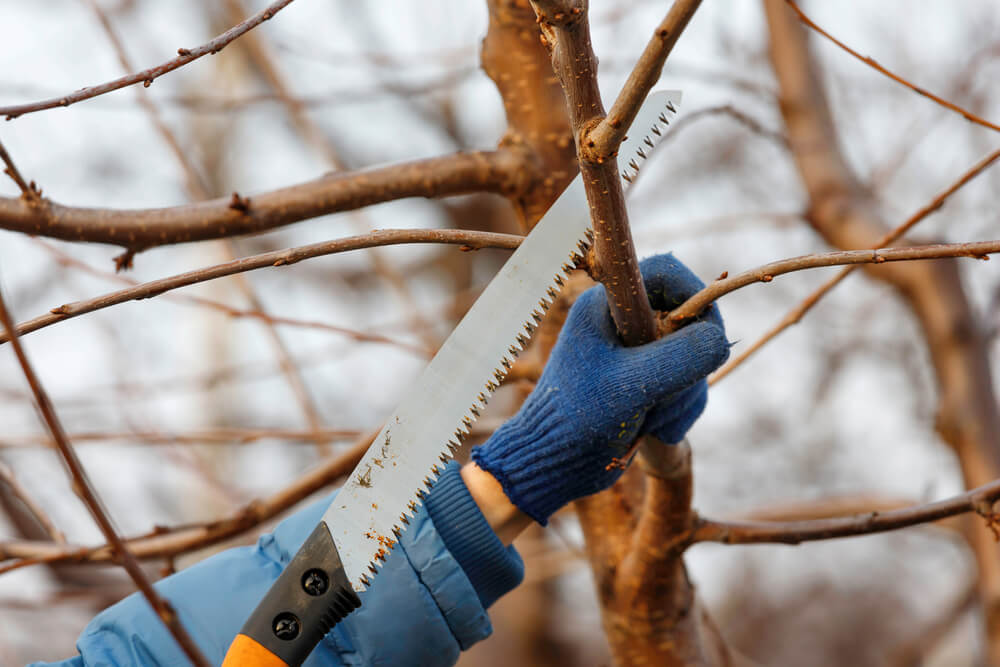
tree pruning

Trees are among the most important living things on Earth, providing oxygen, scrubbing carbon dioxide from the air, and keeping soil from eroding. Trees are also an invaluable component of landscaping, providing shade, aesthetic beauty, and a variety of benefits to the soil and surrounding fauna. But trees need help getting all of that done. Just like we humans benefit from routine grooming, trees are a lot better off if they lose some of their old, dead (or dying) branches and limbs. This process is known as pruning, and the winter is actually the best time to get it done, ensuring that you have a healthy tree year-round.

The Importance of Pruning

Pruning trees does a lot more than just maintain their natural beauty. Removing dead or dying branches is incredibly important for a tree’s health. While you may believe that you can prune your trees yourself, that’s not really a good idea. While pruning is necessary, there are many ways it can go wrong and actually introduce disease and rot into your trees. Knowing what trees need pruning, how to prune them, and when to prune them are all things best left to the arborists.

What does pruning do for trees, exactly? Pruning can help your trees in a variety of ways, and it can also give you peace of mind when there are strong winds or a winter storm. The primary focus of pruning is on dead or dying branches and limbs. By removing these unhealthy extensions, healthy growth is encouraged in other locations on the tree. Dead limbs create hazards for the trees and you and your property. Openings in dead limbs can let pests in and also enable diseases like Dutch elm disease to enter the tree, effectively killing it from the inside.

Removing dead limbs that could fall and cause damage to your landscaping and home, or even people in your yard, is also very important. Falling limbs can be far more than unsightly issues you have to deal with – they can have huge repercussions on your home if they damage the roof, siding, trim, or gutters.

Why Winter for Tree Pruning?

Pruning trees in winter might seem like a strange proposition. First of all, isn’t it much harder to see what limbs are dead without leaves? And can’t the cold air hurt the tree if it has wounds from pruning? Despite these concerns, rest assured that there are many reasons why winter pruning is perfect for most trees. When done correctly, pruning in the winter is hands-down the best way to protect a tree’s health. So why do you trim trees in the winter?

Winter Helps You See the Tree

Despite the fear that the absence of leaves won’t provide you with a good idea of a tree’s health, winter is actually the best time to analyze a tree’s structure. Without leaves, arborists can identify limbs that are dead using a variety of other signs. Another important benefit of a bare tree allows you to determine places where branches make frequent contact. Crossing branches can rub the bark from the branches they’re in contact with, allowing pests and diseases easy access to the tree’s stems. When a tree is bare, it’s much easier to see crossing branches and overly heavy branches that can be removed to protect its structure and provide better aesthetics.

Protecting Your Lawn

Winter tree pruning is best done in late winter, (February and March) because these plants are fully dormant – this is the best time to avoid traumatizing a tree. If the ground is frozen, even better! Frozen ground will better support the equipment used when trimming trees, meaning your lawn will be less disturbed and damaged by ladders and lifts.

Easier Clean-Up

By removing dead limbs in the winter, you’re reducing the number of dead branches that’ll be raining on your lawn when spring winds start. Spring cleaning benefits a lot from winter forethought. And when you leave tree pruning to the pros like The Parke Company, you can trust we’ll clean up after ourselves. If you’ve had a lot of limbs removed, they can even be mulched for use in garden beds in the spring! If you have dead trees to remove, winter is a great season for that as well. When a tree is rooted in soft ground and being felled, there is a slight risk of the roots pulling up. This can gouge out your lawn, leaving an unsightly hole after the tree is removed.

Creating Healthier Trees

When you prune trees before new growth starts, you ensure that your tree is devoting energy and nutrition only to healthy growth. When a plant is dormant, it has more energy to devote to healing than if it was trimmed during the spring or summer when growth is a much bigger priority. It’s not just a matter of removing dead limbs, however. Properly pruning a tree takes experience. The wrong cut can make it so your tree doesn’t properly heal. Trust us – it can get fairly complicated to make healthy cuts.

Winter Pruning Exceptions

There’s an exception to every rule, and that’s true for pruning. So, what trees should not be pruned in winter? While a majority of deciduous trees (trees that lose their leaves annually) are best trimmed in the winter, not every tree follows that rule. For instance, spring flowering trees like magnolias, redbuds, and cherry trees should not be trimmed until after they flower in the spring.

More Winter Pruning Advice

There is such a thing as too early when pruning trees this winter. If you’re too early and the wounds are exposed to extreme cold (which Nashville is no stranger to), they can dry up and not heal properly. Additionally, wet winter weather can allow waterborne diseases to easily access the stem of your trees.

Try to prune when it’s dry and relatively mild in terms of temperature. Since winter is unpredictable, that’s a much safer bet later in the season.

Set Up Your Trees for Success with Professional Winter Pruning

Winter is the perfect time to prune the majority of the trees we have in our region. At The Parke Company, our expertise is not limited to landscaping. Our trained arborists can help you year-round with maintenance plans geared toward tree pruning and protecting the health of your yard’s entire ecosystem. This winter, let the experts at The Parke Company tackle your tree pruning so you can have the healthiest trees come springtime. Give us a call today to explore our tree service options before winter comes to an end.

Winter Landscape Maintenance: What Services are Needed and Why it’s Important

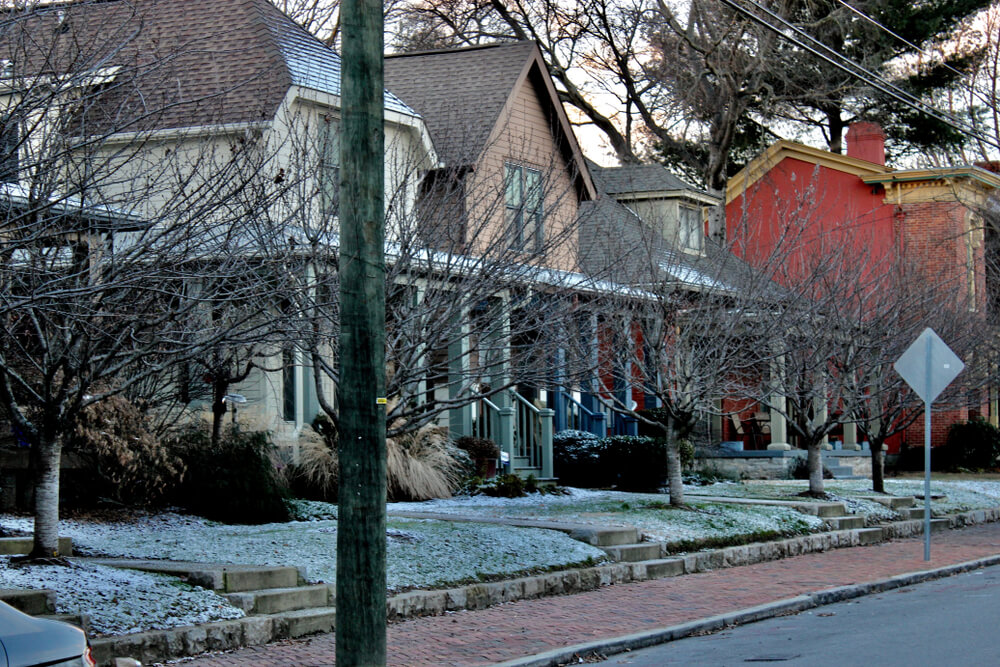
ground frost

Though winter is upon us, landscaping work never goes into hibernation. Learn about what winter landscaping services you need and why they’re so important for maintaining healthy green spaces.

Winter Landscape Maintenance

Though winter feels long and arduous, spring somehow always seems to sneak up on us. Making sure your yard is ready for spring is critical for getting the best results from your landscaping in the warm months. Proactive landscape maintenance starts in the fall and carries on into the winter.

Cleaning

You’ve already raked and cleared leaves in the fall, but you’ll probably still catch stray leaves all winter long. Leaves can hang on for dear life on some trees, dropping much later than expected. When they’re high up in a tree, they don’t always look like much, but looks can be deceiving. When the winter winds pick up, they knock around loose branches and leaves alike, meaning winter maintenance is done more piecemeal than fall cleanup. Don’t worry about the leaf blower all that much – a rake should do the job just as well (if not better) when they’re spread out and among so many sticks.

Snow can be pretty for the holiday season, but it can be devastating for your flower beds and dormant annuals and perennials. If snow seems to be sticking around, it’s not a bad idea to gently clear it from places where more sensitive plants are, because it can deprive the soil of oxygen and nutrients. In areas where the roadway or other paved surfaces make contact with your yard, flush the soil with fresh water late in winter – this will help to remove built-up salt from plow trucks, which can be a huge detriment to plants growth this spring.

If you find yourself out of your depth when it comes to winter maintenance and clearing your yard this year, don’t hesitate to look for professional help. The Parke Company is committed to helping our customers keep their landscaping safe through the winter and with as little stress as possible. You have enough to worry about. Leave the cleanup to the professionals.

Winter Pruning

The winter months, especially as spring approaches, offer the best time for pruning and trimming your trees, shrubs, and plants. For starters, it’s much easier to see and access branches when they’re bare. And for many perennial plants, this dormant stage is the least traumatic time for pruning. By pruning the plants in preparation for spring, you leave cuts exposed for less time, making sure to encourage new growth as soon as the weather permits it. Pruning and trimming trees is also important, considering how snow and ice can break branches and leave things a mess. Broken branches that aren’t properly trimmed are more susceptible to disease in the spring, so having an arborist clear dead limbs can prevent further issues going forward.

Waiting too long to prune some plants can actually make their growth harder, so it’s important to consult professionals who have experience in pruning a wide variety of plants. If you’re not experienced in pruning, you are likely to cause more harm than good when you try it this winter. Some things are better left to seasoned landscapers, and The Parke Company offers year-round pruning and winter pruning as parts of our year-round landscaping maintenance plans for this reason.

Protect Against Winter Pests

In the winter, a variety of wild animals are forced to forage further and further from their homes in the woods, meaning they’re much more likely to end up in your yard. While a wandering deer might be a beautiful sight, they’re usually bad news for your trees and shrubbery. Deer can quickly move in and make quick work of tree bark, especially on younger trees. One way to counter this is to apply wire mesh to the base of your trees, especially those that are considered a tasty treat to white-tailed deer and other animals.

Deer can also munch on shrubs, so it’s not a bad idea to cover them in burlap. This practice can also help keep your features safe from other harsh winter elements like snow and ice. Other options for preventing deer include adding fencing, repellent products like ultrasonic deer repellents, and planting deer-resistant plants. Deer-resistant trees and plants don’t have sharp barbs or poison – rather, they’re just not what deer are looking for, meaning they’ll ignore your yard and move on to greener pastures.

But deer aren’t the only nuisance you might face this winter. While most pests like grubs, ants, and armyworms won’t be active during winter, they’re still burrowed in the soil. Chances are you already take steps to mitigate the damage in the spring and summer, but if you’re not, now is the time to consider it. Even before they have the opportunity to wake up and start eating roots and digging through the topsoil, these pests attract moles and other rodents. These varmints are active in the winter and can do a number on a yard digging for tasty little grubs and larvae that your lawn has been hiding.

There are repellents for rodents that you can use too, but the best defense is a good offense in this case. Making sure you’re treating your lawn for common insect pests in the warm months will reduce the odds of rodents moving in the following winter.

Why You Need Mulch

Mulch is huge in the landscaping game, and it’s no secret that it needs to be applied more often than once a year when you’re reinvigorating for spring. Re-mulching in the winter can help your trees and plants all year round for a variety of reasons. Nashville winters can be a long, wet slog of snow and melt, and all that change can start to erode your landscaping.

Mulch can help by retaining more water and maintaining soil temperature around the roots, keeping them safe from the up-and-down temperatures winter often brings with it. A 2-inch thick layer of mulch can provide your plants with the protection they need this winter, and you don’t have to splurge for the pretty stuff this time of year. Using pine needle mulch is cheaper than wood mulch, just as effective, and far more sustainable as needles are dropped naturally by trees. In the off months, use pine needle mulch and cover it in the spring with more aesthetically pleasing mulch to fit your landscape. You’ll need less when the time comes to re-mulch each season because you’re building on a solid base each time you apply it in the winter.

What to Do With Your Landscape in Winter

So, how do you take care of landscaping in the winter? It takes a lot of work, to tell the truth. It’s not always something you can manage on your own, and that’s where The Parke Company comes in. Ease your winter landscape maintenance woes with a 12-month contractual maintenance program guaranteed to leave your yard looking fresh and healthy year-round. Contact us today for a consultation on new landscaping or to learn more about our maintenance programs.

4 Landscaping Resolutions for the New Year and How to Achieve Them

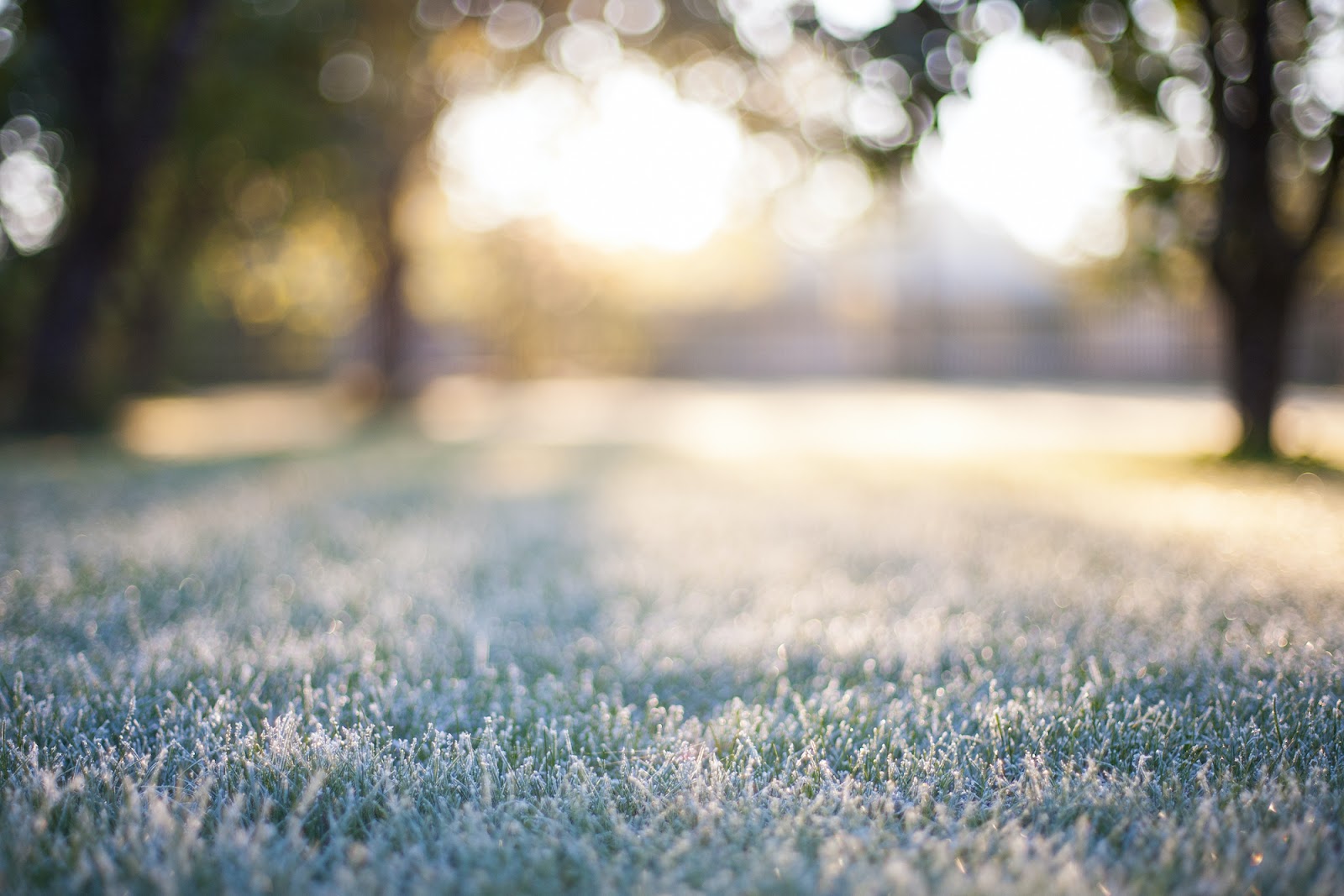
frosted grass

As we ring in 2023 and look forward to a fast-approaching spring, you might already be eying your next landscaping project for when things start to warm up. If you’re in the market for some ideas and how to set and implement goals for your lawn and landscaping this year, read on for some inspiration and recommendations.

Four Landscaping Resolutions For The New Year

1. Discover New, Sustainable Trends

Some landscaping trends of the past put a high emphasis on everything but what’s most important: the greenery. While your lawn may have been easier to maintain when it was edged with stone and mulch, you might want to reconsider that empty space.

Many gardening trends are focusing on a more symbiotic relationship with nature, meaning it’s best to think about what’s natural, and how that natural beauty can be improved and highlighted. Preserving as much of your yard’s natural topography is very important to the plants and animals that already call your land home. Of course, drainage issues, at-risk trees, and invasive species are all things you’ll still need to consider. Landscaping is about creating and preserving natural beauty, so anything that can be left alone or naturally enhanced is fair game.

If your landscaping goals are more maximalist, there’s still plenty you can do to accommodate nature. Some trends this year are focused on defining outdoor spaces, and incorporating metal into all aspects of landscaping. From planters to water features and garden sculptures, metal is very “in.” While it’s more costly than some other materials, metal is safe and durable for landscaping – it won’t harm your landscaping, and your landscaping won’t harm it (with proper maintenance). Longevity and recyclability are important to a lot of people, and metal provides both of those comforts.

Another sustainable trend that we’re seeing practiced is good for your lawn and the environment. Let’s face it, some of the more recent Summers in Nashville have been incredibly dry. Planting drought-tolerant plants that don’t require much water can help keep your water bills lower in the summer and ensure that your landscape stays green even if there hasn’t been much rainfall. And don’t panic – most drought-tolerant plants aren’t cacti or succulents. Many flowers and flowering plants like black-eyed susans and lavender don’t need much water to give your landscaping that pop of color.

2. Winter Cleaning

Cleaning your existing landscaping is important. Pressure-washing stones, water features, and other hard, non-vegetation surfaces can help maintain the beauty of your lawn. Chances are you’ve got some stray leaves from the fall sticking around. Clearing out sticks and leaves regularly (especially with winter windstorms) can make a huge difference. As you’re cleaning, make note of any areas where mulch may need refreshing. New mulch can help with irrigation and the general aesthetics of your lawn. Landscape maintenance changes with the season, but what you do (or don’t do) in the winter can make a big difference in the spring and summer.

3. Professional Pruning

Pruning your existing plants is a year-round effort, but it’s most critical for the health of your landscaping in the winter and early spring. Some pruning is easy enough. Culling older limbs from flowers and removing dead vegetation to allow for new growth are simple things you can do yourself. But not every pruning job is straightforward. Many flowers and plants can suffer from being over or under-pruned, and going in without the proper knowledge can prove harmful to your plants and your wallet.

When it comes to maintaining your trees, you’re going to need an arborist. An arborist can assess the overall health of all your trees, and determine what needs to be done in terms of pruning a tree. In the event that a removal or stump grinding is needed, an arborist is uniquely skilled in ensuring that the surrounding vegetation and landscape are kept safe during this maintenance. Arborists will also be able to safely remove deadwood, which is a huge risk to your home, vehicles, and landscaping. Arborists can also inventory the trees you currently have, and determine if additions should be made. While you may not always be in the market for several new saplings, you never know how they might improve your landscape and add to the natural beauty of your lawn.

4. Install New, More Efficient Features

The winter and spring are the perfect times to start thinking about what you can add to your landscaping to improve its natural beauty and durability. Adding a lawn irrigation system can simplify your watering routine, and prevent issues that can come from over or under-watering manually. While they may seem like a luxury, an irrigation system often actually saves money in the long run. With the advent of modern technology, home irrigation systems are the smartest they’ve ever been, handling a lot of the heavy lifting without your intervention.

Want to add something new to your landscaping to give it that unique charm you’re looking for? Hardscapes like walkways, pavers, walls, ponds, and masonry – as well as decor like lighting, water features, and tree hangers – can all greatly enhance how you (and others) experience your outdoor spaces.

Achieving Your Landscaping Resolutions with The Parke Company

2023 is going to be a great year for making your landscaping goals a reality. But it’s not easy to tackle all of these landscaping objectives on your own. That’s where The Parke Company can help.

Whether you want to add a new water feature, remove dead trees and plant new ones, or just get everything clean for the spring, we can do it all. The Parke Company is committed to providing landscaping services to Nashville and Middle Tennessee, for needs both big and small. We offer year-round landscape maintenance programs that include leaf removal, mulching, and other services aimed at meeting your needs and refreshing your property. Our focus on sustainability, preservation, and your unique landscaping needs is the pride of the Parke Company. If you’re wondering: who offers landscape installation near me? No matter what your landscaping plans are for the new year, you can count on us.

If you’re ready to take the next step and be proactive with your landscape maintenance and improvement this winter, give us a call at The Parke Company today.

Best Mulching and Chipping Ideas to Consider Come Spring

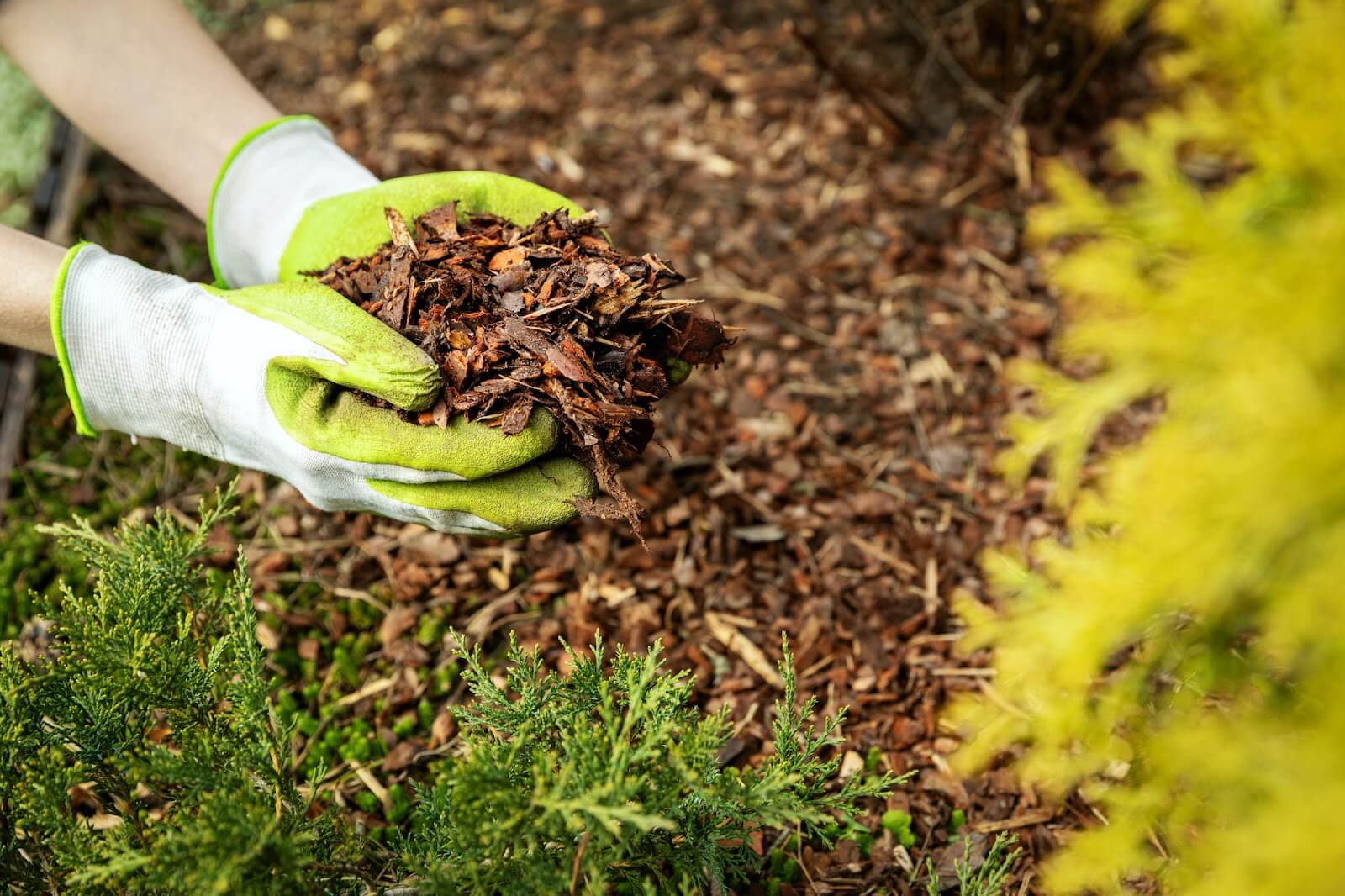
Gardener holding mulch

Proper mulching and chipping allow you to control weeds, minimize erosion, and regulate soil temperature by absorbing heat during the day and releasing it during the night. Like other landscaping services, mulching and chipping services are best delivered by accredited experts. At The Parke Company, we have a team of professional landscapers active in preserving, beautifying, and protecting natural scenes; our services are primarily offered in Middle Tennessee and Nashville.

Let’s go over the best chipping and mulch landscaping ideas to consider by the time spring rolls around.

Transitional Landscape Steps To Take As Spring Approaches

Spring marks the beginning of the landscaping season. That said, there’s work to be done before the weather warms up to ensure the success and health of your green spaces. The Parke Company recommends various steps to make this seasonal transition easier. They include:

1. Cleaning Your Landscape

Begin by removing the dead or dried crops from your garden or lawn and replace them with fresh plants. Landscape cleanliness is an essential factor for crop health. Removing dirt, debris, and weeds from your landscape helps make way for much-needed spring sunshine and showers – it also helps growing plants breathe better.

2. Applying Mulch

Applying mulch to plants and tree bases acts as a form of protection from hot or cold weather. Get professional help to know the proper steps before applying the mulch.

3. Evaluating Your Landscape’s Health

Assessing the overall health of your landscape is a positive investment in your property. Having a healthy garden increases the value and appeal of your property significantly and reflects well on your stewardship. However, some people may not have the time or experience to do so properly; hence, they hire professionals to perform these inspections throughout the year (this is especially important before and after winter).

4. Pruning and Trimming Trees

Trimming trees keeps them healthy and shapely while protecting your property and landscape from debris. Some plants require pruning before the spring, while others need to be trimmed and pruned after spring arrives. Professionals like The Parke Company can provide more information regarding tree trimming, pruning, and mulching services.

5. Evaluating Your Watering Needs

When spring arrives, your green spaces will require regular watering to thrive – some of this moisture will come from the spring rainfall, but the rest will be supplied by your irrigation system. Before you restart your irrigation system, determine which areas of your landscape will require what level of watering, and ensure that your system can accommodate these needs.

6. Scheduling for Deep Root Fertilization

To make your garden look beautiful the entire spring season, prepare your plants by watering them and giving them enough fertilizer to maintain their health. If you establish a routine fertilizing strategy, your crops will maintain strength and fitness even in hot weather.

What Mulching And Chipping Entails

Mulching and chipping aren’t exactly the same thing, but they’re closely related and both involved in maintaining your lawn. Put simply, “chipping” refers to mulching via the use of wood chips. Mulching is a more general term that includes chipping but may also be made of straw, grass clipping, composted material, pine needles, paper, and more. Composition aside, mulching helps keep your property lush and green by adding nutrients to the soil – it also serves as a protective layer against weeds and pests, keeping them out of your lawn. Moreover, mulching helps control the amount of water that enters your yard through rainfall, which prevents erosion and excess moisture buildup.

Mulches can also be divided into biodegradable and non-biodegradable varieties:

  • Biodegradable Mulches (organic mulching) – These consist of organic matter, which breaks down after some period and releases nutrients, improving the soil structure. You will need to replace biodegradable mulches because layers rot down gradually. The best material for these mulches includes wood chippings, processed conifer bark, garden compost and leaf mold, among others.
  • Non-biodegradable Mulches (inorganic mulching) – This entails mulching using non-biodegradable materials such as shingles, slate, pebbles, stone chipping, gravel, and other plastic materials. Inorganic mulching does not improve the structure or fertility of the soil; they only act as a weed suppressor. It is best to use materials which will not absorb much heat to maintain the temperature of the roots. However, reaching out to experts can be a good idea. We at The Parke Company have experienced landscapers who can deal with your mulching specfiications and complications.

Benefits Of Mulching And Chipping

If you mulch your lawn, especially with landscaping wood chips, you will achieve the following:

1. Reduced Erosion

Water will be preserved in the soil for a long time; it will keep the ground together, so the land cannot be washed or swept away during storms. The chippings will be handy in preventing contact between wind (which occurs regularly in spring and summer) and the soil in your garden.

2. Fewer Weeds

Weeds also need sunlight, water, and warmth to grow. Therefore, if you cover your garden with mulch, the weeds underneath the mulch will not thrive. Establish an effective mulch so weeds cannot slip through them.

3. Increased Water Retention

Placing wood chips on your landscape will reduce water loss through vaporization by around 50%. This means you won’t have to worry about watering nearly as much – saving time, money, and energy.

Getting The Most Out Of Mulching And Chipping In Spring 2023

Like other landscape services, mulching and chipping require professional guidance to succeed. The Parke Company provides affordable and high-quality landscaping services to businesses, municipalities, and homeowners across Nashville. We have certified landscape experts who are consistent, clean, and leaders in their field.

If you’re wondering, “What company offers mulching services near me?” The Parke Company provides multiple mulching services and other landscaping services in Nashville and surrounding areas. Call us today at 615-350-6033 to prepare your green spaces for 2023. We’ll be happy to provide you with a free consultation and estimate!