Why Municipalities Must Invest in Leaf Removal and Pickup Services

A man and a woman raking leaves and high-fiving.

Leaf removal is a huge issue for homeowners and cities alike. Here is why it’s important for municipalities to invest in leaf removal and pickup services and how The Parke Company can help.

What to Know About Fallen Leaves and Leaf Removal Services

What Fallen Leaves Do to a Lawn

In the United States, people have begun to question the necessity of leaf pickup services, claiming that the natural decomposition of fallen leaves benefits the ecosystem. While this is true in a forest, odds are your home isn’t directly in the middle of the woods. Gardens and lawns do indeed benefit from some leaf coverage, but chances are leaving it unchecked will do more harm than good. If mulched, fallen leaves can act as fertilizer for garden beds and lawns, helping promote growth once spring comes.

The reality is that there are far too many fallen leaves to simply let nature run its course. Think of a forest floor; it’s in an eternal state of decay and regrowth, and leaves, while biodegradable, don’t conveniently disappear every season. In fact, leaves can last for years. Leaf removal is important for both rural and urban properties because of the emphasis we place on gardens and lawns. Thick layers of leaves can cause a variety of issues for your lawn, garden, and even your trees. While the grass in your lawn, plants in your garden, and trees nearby go dormant in the winter, they don’t become invulnerable. They still need some sunlight, moisture, and air to properly rest.

When covered by leaves, grass and garden plants are deprived of necessary nutrients. Leaf piles are also incredibly good at trapping moisture, keeping water out of the soil and causing fungal growth at the surface. Trapped under leaves, grass roots can die, leaving bald spots in your lawn come spring that take time to regrow once the leaves are cleared. Decaying leaves also act as a good hiding place for garden pests and can spread diseases to trees. Clearing a lawn of leaves each fall is incredibly important to ensure its health in the spring.

How to Collect Fallen Leaves Yourself

There are many methods for conducting leaf pickup in your yard, and each has its pros and cons. The simplest and most timeless method for leaf removal is a good old-fashioned rake. It’s rare to find a person who enjoys raking, but it’s necessary, and with the right tools, it can be an effective way to remove leaves from your lawn. One indispensable tool for moving a great deal of leaves all at once is a large tarp. Prepare to get your hands dirty and spend a day (or more, depending on the size of your property) moving leaf piles with a tarp. Start by raking leaves into large but manageable piles that will fit on your tarp, then transfer them to the tarp. Drag the tarp laden with leaves to one location where you’ll pile or bag leaves for collection. Bagging tools can be useful if your town requires leaves to be bagged prior to collection. Leaf chutes and other devices can help to stabilize the bag as you fill it and can make this job more bearable.

If you’re looking to get more high-tech, leaf blowers and lawnmowers are both effective ways to remove leaves. For an even easier time, they make lawn vacuums for collecting leaves, though they do come with a higher cost. Bagging systems for riding lawnmowers are slightly more affordable if you already have a riding mower. If you can’t quite afford that, investing in a powerful leaf blower is going to make a huge difference from raking alone. Battery-powered leaf blowers are usually the weakest fare, with the electric plug-in option being the next most powerful. Gas-powered blowers are the strongest but also the most expensive and noisiest option. It’s all about knowing your own needs and experimenting with different devices that are available. Borrow a neighbor’s blower to see if it really makes a difference for your yard, and you might just decide that a rake is enough.

Why Municipalities Must Invest in Leaf Removal

Hopefully now you have a better understanding of why you need to get out there and rake the lawn or hire a landscaping company to clear the leaves for you. But without a city’s intervention, no amount of work on the part of a homeowner is going to be enough. Once their leaves are cleaned up, where are they going to go? This is where the municipality and city government must invest taxpayer money into leaf removal services.

Smaller cities simply cannot afford expensive leaf removal machinery, which can be very hard to acquire. That’s where landscaping companies come in. Contracting with a landscaping company for city leaf removal is a cost-effective way for cities to deal with leaves without breaking the bank. Leaves, much like trash or recycling, can be collected on a schedule, enabling homeowners to plan the removal for a time and date that suits their needs. Landscape services take the collected leaves and can use them to create fertilizer and mulch, which can then be used by the city to maintain garden beds and public parks. Another major reason to remove leaves from the city is to prevent damage to infrastructure. Leaves getting into the drainage system can cause problems because they quickly cause blockages. These blockages make surface roads flood and back up sewers. Additionally, roadways and sidewalks that are buried under leaves become dangerous, resulting in accidents and potential injuries. There are plenty of reasons to want leaves out of your city, and landscaping companies can help.

Getting Some Help

If you’re in or near Nashville, TN, The Parke Company offers leaf removal service near you. If doing it yourself just won’t work due to time constraints, physical limitations, or the size of your lawn, we can help. Leaf removal provided by The Parke Company is a comprehensive service that includes the removal of leaves from the property if municipal services aren’t available. We can also provide mulch created from leaves for an additional charge to help give your garden a boost when spring arrives.

It’s not just homeowners who can benefit from fall leaf cleanup provided by a landscaping company. Don’t get caught in winter with the leaves still piling up on your lawn. Give us a call for a free consultation and estimate on leaf removal services.

Irrigation Winterization: When and Why to Do It and What It Entails

An irrigation sprinkler in operation

With winter fast approaching, it’s never too early to start winterizing your lawn’s irrigation system this fall. But where do you start, and what does the process entail? Read on for all that information and more so that your irrigation system is ready for even the coldest winter.

What Is Irrigation Winterization?

Winterization is the process of preparing something for winter weather. While it sounds pretty straightforward, you must consider all the potential problems winter brings. Irrigation winterization is a multi-step process that requires a good deal of know-how and forethought. While the winter air is often drier, winters in Nashville are usually very wet. This extra precipitation can bog down irrigation systems that aren’t shut off or otherwise properly winterized, leading to flooded lawns and soil erosion. Flooded lawns can lose nutrients that your grass and plants will need in the spring, resulting in fungal blooms, mold, and less than adequate growth.

The Benefits of Winterization

The biggest reason to winterize your irrigation system is to ensure its longevity. Even here in Nashville, winter can get pretty cold. That cold weather can wreak havoc on an irrigation system that isn’t properly winterized. In the winter, even water underground can freeze. When it freezes, it expands, potentially cracking pipes and sprinklers alike in your irrigation system. These repairs are costly. Rather than risking damage, having a qualified landscaper inspect your system and winterize it will guarantee that this kind of damage doesn’t happen. A properly winterized system can last a lot longer than a system that’s left to chance each winter. Your lawn relies on proper irrigation in the dry spring and summer months, and without it, it suffers. Without a green lawn, your landscaping is going to suffer. Landscapers at The Parke Company can help make sure your irrigation system is in peak condition all year. Get peace of mind by contracting with us for a year-round irrigation maintenance plan that includes winterization, inspection and testing, repairs, and spring startup. There’s no reason to have to worry when the first frost warning comes through this winter if your system is winterized. Being prepared is critical for your lawn to thrive, and we can help.

Now that you know what winterization is and what it can do for your property, let’s explore the steps the process includes.

How to Winterize Your Irrigation System

The first major step in winterizing irrigation systems is to shut them down. Leaving a system running can result in floods or other issues that you might not notice immediately. Turning off the electrical pumping system and water supply are your primary goals in this step. The electrical components of irrigation systems can be nuanced, with older systems being on simple switches and some modern systems having more complex procedures for shutdown. Every irrigation system is a bit different, and each home’s uniqueness complicates that. Some water shut-offs are housed inside a home, while others are in an outdoor location like a shed or the exterior of the home. An irrigation system has two different water-controlling valves, and both should be shut off in a specific order. The first is called the backflow device. This valve prevents water in the irrigation pipes from flowing back into your home’s pipes in the event of an issue. This is highly important and prevents dirt and other contaminants from entering the home. Shutting this off prevents the flow of water in either direction, so you can safely flush the system out later. Next, you’ll shut off the main water supply to the irrigation system. This is usually indoors and is a valve or lever on the pipe leading to the system. Turning this off prevents more water from flowing into the pipes.

The next step is the most important. Draining your irrigation system ensures that no water remains in the pipes. This step is best left to the experts. A qualified irrigation system technician can properly and safely perform each of the steps outlined above and complete an inspection of your entire system. This ensures that your irrigation is fully winterized and ready for its long dormancy this winter. Looking for irrigation winterization near you? Leave it to the experts at The Parke Company. There are many reasons to let the professionals handle your irrigation system, but one of the best reasons is cost. It’s not an expensive task to have a contractor inspect and winterize your irrigation system, but it can be costly to neglect it or do it incorrectly. Repairs cost a lot more, and improperly handling your system can result in less than stellar growth come spring, as well as complete failure in the dry months.

The Parke Company has been installing and servicing irrigation systems for decades, and we’re ready to assist you with winterizing yours. Ready to learn more about the winterization process and how we can help? Give us a call today!

What Landscaping Should Be Done in the Fall?

Woman with a wheelbarrow in an autumnal garden with colorful foliage and wooden structures.

Fall is the perfect season to get some critical landscaping done, whether it’s maintenance or entirely new work. Here are the landscaping services you need for this autumn in preparation for winter and the coming spring.

Landscaping Services to Complete This Fall

Yard Cleanup

The spring and summer storms that are so common in this area tend to leave your yard under piles of sticks and other debris. With fall leaves falling on top of that, getting control of your yard can be a challenge. If things are piling up and your to-do list is mounting before winter, don’t panic. The best method for clearing your yard is to do it in stages. Removing sticks before the bulk of leaves fall will make raking, leaf-blowing, or mulching leaves much easier. Most areas in and around Nashville have brush removal, so familiarize yourself with their schedule so that sticks don’t sit for too long along the road.

Removing sticks from your flower beds and garden will ensure that they grow more healthily in the spring. You’ll also be keeping pests and other insects clear of your garden by keeping them free of leaves and other debris. Pruning should be kept to a minimum during the fall, as it’s best suited for the late winter, but some pruning can be beneficial. You should prune high-risk limbs that could cause property damage as soon as you notice them. It’s important to leave tree pruning to professional arborists, however, especially in the fall. Improper tree pruning can leave a tree highly susceptible to damage from frost and winter dryness. As for shrubs and bushes, it’s usually safe to go for it on your own, but follow pruning best practices. Always be safe, and make sure you’re properly cutting limbs to keep them safe. Fall landscaping can be hard, as pruning and cleanups are not always easy to do on your own.

Autumn landscaping and maintenance starts with a clean lawn. If you’re worried about going it alone, you can always contact The Parke Company for a comprehensive fall cleanup. We offer one-off cleanup services and landscape maintenance plans to ensure that your yard looks immaculate all year round.

Winter-Proof Your Property

Getting ready for the coming winter can be a challenge because Nashville weather is always a bit unpredictable. Will we see snow again, or should we expect a milder, wetter winter? We know winter is a pause on most landscaping activities, but is it better to landscape in the fall or spring? The answer depends on the type of landscaping you’re doing. There are certain aspects of landscaping that might be better suited for the fall, while other things should obviously be done in the spring. Mulching, for instance, can be done in the fall for one purpose and in the spring for another. In the fall, we add mulch around our trees and plants in order to stabilize soil temperature. While most trees and native plants in Nashville can withstand a cold winter, it never hurts to give them a helping hand. Mulch can help to retain moisture and warmth, keeping a tree far healthier and more resistant to cold temperatures if winter gets bad.

Another way to make sure your property is prepared for winter is to have your irrigation system tuned up and winterized. Even small traces of water in underground sprinkler pipes can freeze and expand, causing damage to the system. It’s important to have an irrigation system specialist inspect and winterize your system before cold weather becomes a factor, as repairing damage can be costly. Fall landscaping services from The Parke Company can include the maintenance, upgrades, and even installation of irrigation systems. Soil conditions in the fall are perfect for digging and making changes, and reseeding can be done now to ensure that you won’t have bare spots in the spring.

Prep Work for Spring

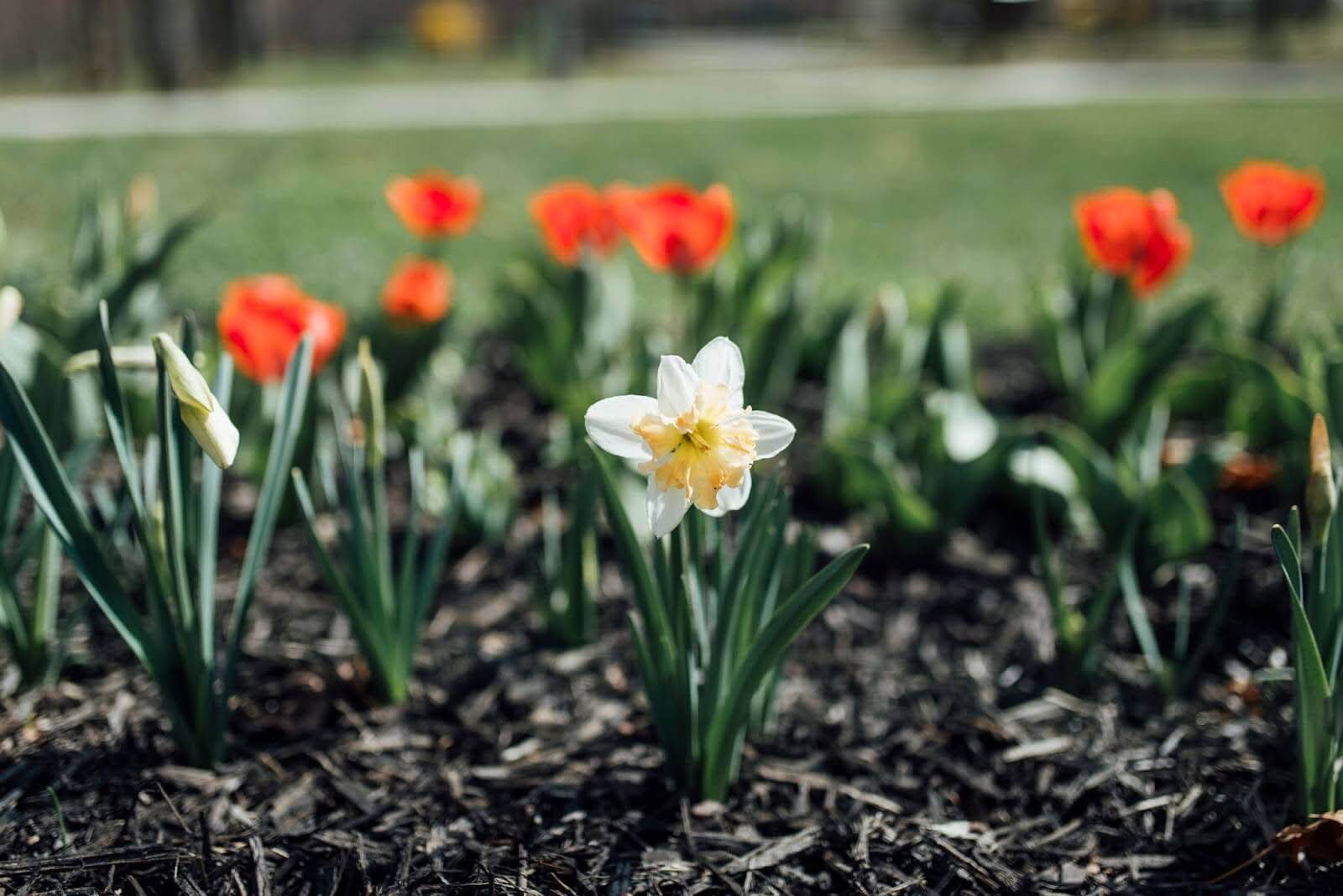
So what landscaping should you do in the fall? Fertilizing your lawn in addition to aerating it each fall can help give it a boost come spring. Fertilizing soil can give your lawn much-needed energy and sustenance while grass goes dormant as things get colder. Summer, especially dry summers like we’ve experienced in previous years, can really fry a lawn. Aerating and fertilizing in the fall can help revitalize a lawn so it’s ready for spring. You can even get a headstart on planting in the fall. Using the cooler weather to your advantage, spend some time in the garden planting bulbs for flowers like daffodils and tulips this fall. They will be perfectly safe all winter long and emerge in the spring for a beautiful pop of color.

While it’s also a part of fall cleanup, don’t neglect your existing plants. If you had dying, unsightly, or overgrown plants in the summer, remove them now rather than leaving them for the spring. While you can’t plant much to replace these removed plants now, it’s best not to let them rot in the winter. Dead plants play host to a variety of pests that can cause damage to other healthy plants, even in the fall and winter. Remove weeds and make note of problem areas so that you can try some new prevention efforts. Using weed barrier fabric in garden beds is a great way to keep your lawn weed-free, and fall is the perfect season to get that situated. You can leave cut-outs in the barrier around existing plants and make new additions in the spring if need be, but this ensures that weeds and other plants can’t grow in the areas you don’t want things growing. No matter your lawn’s condition this summer, preparing for the spring needs to begin in the early fall.

How to Prepare Your Landscaping for Fall

If you’re ready to get your landscaping work handled this fall, don’t hesitate to look for professional help. From fall cleanup to irrigation installation and everything in between, give the pros at The Parke Company a call.

How Arborist Consulting Services Enhance Your Property

An arborist at work.

When it comes to tree care, there is no better expert than an arborist. Arborist consulting services can greatly enrich your property environmentally and, by extension, aesthetically. Let’s explore how you can benefit from arborist consulting services.

What to Know About Arborist Consulting Services

Defining Arborist Consulting Services

Arborist consulting services are available across the country from certified arborists. Let’s make sure we understand what an arborist is.

What Is a Consulting Arborist?

An arborist is a person with extensive knowledge of trees. That much should be obvious to anyone reading this, but what exactly does an expertise in trees entail? The basic definition of an arborist is a tree surgeon, and it really is that intense. Arborists are experts at diagnosing, preventing, and safely treating tree disease and infection. They literally perform surgery on trees because trees are complex living organisms that can die from something as simple as improper pruning. Now that you understand the delicate nature of being a tree surgeon, let’s learn more about what a consulting arborist is and what they can do.

The Levels of Arboriculture

Did you know that in order to become a certified arborist, you need to pass an exam? When you want to take tree care seriously, you call an arborist. Tree experts with at least three years of full-time experience in the professional tree care industry can take an exam to become certified arborists. The American Society of Consulting Arborists has many levels of membership, but being a certified arborist is a major milestone. Beyond that title, the role of a consulting arborist requires even more certification and experience. If you’re working with a consulting arborist, you can rest assured that you’re getting the best of the best. With all this in mind, it’s time to learn what arborist consulting services are available near you.

What does a consulting arborist do? If it involves trees, they do practically everything. Here are some of the specific services you can expect if you work with an arborist from The Parke Company.

Planning and Planting

Many times, when you buy a property, it comes with some trees. But have you ever seen a home or other property that just seems to be a step above the rest when it comes to its greenery? It’s probably because an arborist set out to actually plan the lay of the land. With their unique skills and years of experience, arborists are experts at determining the optimal location for trees around a property. It takes a lot of knowledge to plan a property layout, and it extends further than just knowing which tree to plant. Other considerations a consulting arborist must make when plotting a property include local climate, soil and air quality, drainage, and a variety of other environmental factors. The details a consulting arborist will consider cover everything from the number of trees to the expected canopy size of each and how much sunlight they need.

Pruning

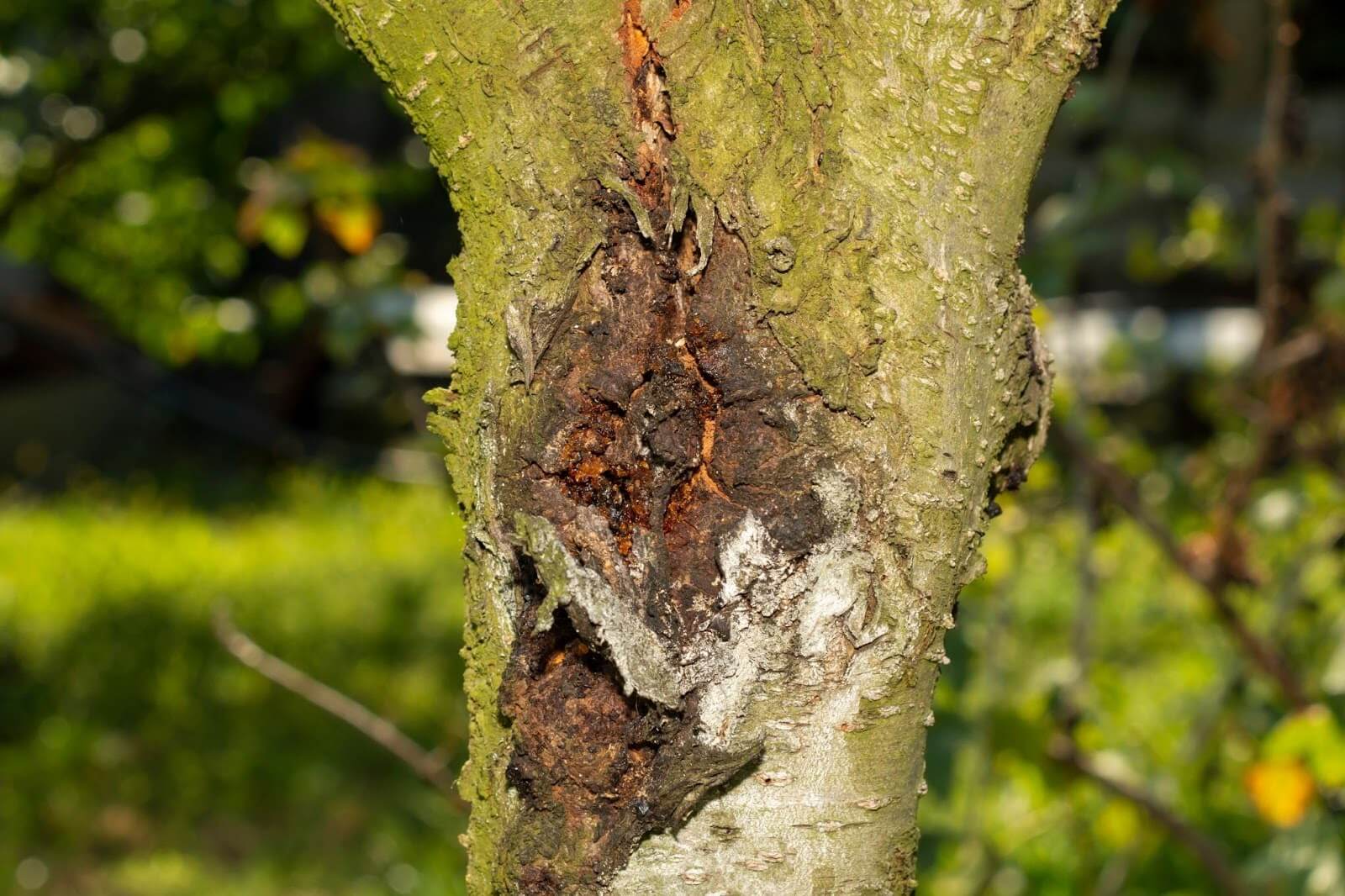
You might be tempted to prune a tree on your property yourself, but the reality is that this surprisingly delicate process is best left to a professional arborist. There are a few reasons why tree pruning should only be done by an arborist, but one of the primary reasons is your own safety. Pruning a limb, no matter how small, can be dangerous if it’s done improperly. Even if you aren’t climbing a ladder, the risk of personal injury or property damage from pruning accidents is high. That only compounds when the size of the limb is larger or if it’s higher than shoulder height. Arborists have specialized equipment and hundreds of hours of pruning experience under their belts, meaning they’re prepared to safely prune a tree. Without the right equipment, pruning a tree can be extremely dangerous. It’s not just your safety that matters with pruning, however. While it might not seem that complicated, it’s very easy to improperly prune a tree. Besides leaving the tree looking a little lopsided, improper pruning can invite a variety of pests and diseases to set up residence in your tree. Pruning a tree involves wound care because a removed branch will leave live wood exposed to the elements. A consulting arborist can ensure that the pruned limbs are removed safely for you, your property, and the tree itself.

Tree Removal

Fully removing a tree is a big undertaking. Much like pruning but on a much larger scale, safely cutting down a tree takes a lot of planning and skill. Trees can be massive, and that scale is often missed when you’re looking at it standing securely in your yard. They can weigh tons, and just cutting them down without planning can be very dangerous. An arborist can assess the tree’s health and determine the best way to remove it. Typically, arborists cut down trees in pieces. First, they will remove the lower limbs of a tree, using ropes to guide their fall to ensure safety. Next, they will take off the top portion of the tree and continue downward, cutting roughly equal-sized pieces until the tree is down to the stump. This process involves complicated cuts, repositioning of ladders or bucket loaders, and a number of safety measures that the average homeowner doesn’t have at their disposal. Ultimately, tree removal is a complicated job that should be left to consulting arborists.

While there are many other services that consulting arborists can provide, these encompass the major elements of their profession. No matter what your tree problem or concern is, an arborist can help you get it right. If you’re looking for a consulting arborist near you, look no further than the experts at The Parke Company.

Expert Stump Removal & Tree Services for Your Home

A professional tree stump removal

Tree removal is a complicated process, and it doesn’t stop once the body of the tree is safely felled. Professional stump removal is a tricky process that really does call for the experts. Here’s how it works and why you should work with the pros.

What to Know About Stump Removal

Why Opt for Stump Removal?

There are plenty of reasons why you might have a stump in your yard. Whether you just had a tree removed or a stump came with your new home purchase, they aren’t uncommon. But stumps are a real hassle in practically every sense, so let’s explore why you need stump removal.

The most obvious reason for wanting a stump gone from your yard is that it’s an eyesore. People who take pride in their landscaping will attest to how much a stump can disrupt the flow of a lawn, but everyone knows they just don’t look great. No matter how low you cut a stump, you’re going to have disruptions in the way grass grows. Want to install a stone pathway or plant more flowers? That stump might get in the way in the future. Stumps impose both an aesthetic disruption and a physical one. Stumps can be hazards in the lawn when you’re walking, mowing, or when your kids are playing. Even if you think you’re used to the stump, it can prove to be a tripping risk when you’re in a hurry or distracted while doing yard work.

Stumps are also risky to other trees and plants in your landscaping. Stumps are great places for pests to build burrows or lay eggs, and they can take over quickly. Within years, a stump can attract termites and other insects, which will feed on the dead wood first. Once they’re finished, they can move on to other trees or even your home. Tree stump removal is the only way to ensure that you’re not ringing the dinner bell for invasive and noninvasive pests that consider your trees a long-term meal. Besides insects, diseases can also set in on stumps due to their preference for dead wood. A stump is an open, gaping wound in a tree, and trees don’t die right away when they’re cut down. That exposed trunk all along the top of a tree is very inviting to fungal diseases, which, much like insects, can spread from the stump to other living trees on your property.

As we mentioned, a stump is still a living tree, at least for a while. In some instances, and with certain species of trees, a stump can actually rally and regrow into a brand-new tree. Shoots (small branches) can grow off the main trunk since the root system of a tree is still alive and nourishing the stump. In time, these shoots can grow into full trees themselves. While this is not common and takes time, it is possible for a neglected stump to suddenly become a new tree. A tree stump removal service provided by The Parke Company ensures this doesn’t happen.

How Stump Removal Works

How does stump removal work, and what services are typically included in stump removal? Stump grinding is one of the primary methods landscaping companies employ to remove a stump. Using a specialized grinding tool, tree service professionals grind a stump down to below the ground level. Typically, the stump is ground down about 6-8 inches from the surface of the lawn. Stump grinding is the cheaper of the two main options for stump removal, with full stump removal being more costly. Since stump grinding is relatively simple with a single main tool, it doesn’t take much labor. It’s quicker to remove a tree via stump grinding. If the stump that was ground down was healthy and recently cut, you can usually keep the ground stump wood as mulch. If there is a risk of disease, however, an arborist may remove the sawdust and mulch to prevent the spread of disease.

While stump grinding gets rid of the visible and physical aspects of a stump above ground, it does leave much of the root system and some of the trunk intact. This means that planting a tree in this place probably won’t work, as the existing root structures will block new roots from growing. While that can be a dealbreaker for some, those unconcerned with planting new trees in that location will see much less mess. Removing a tree and the root displaces a lot of soil, and the time and money spent regrowing the lawn that was damaged is more of a commitment. What stump removal and stump grinding have in common is that they’re both efficient ways of removing trees. They are also far more environmentally friendly and safe for wildlife and yourself. Various at-home stump removal methods either don’t work, involve harsh and toxic chemicals, or just take far too long. Stump grinding and removal are not expensive processes, especially considering how much time and effort you can waste doing it on your own.

Other Tree Services to Consider

If you’re researching stump removal near you, maybe you have other tree service concerns. From pruning and trimming to planting and beyond, finding the right tree service provider is important. In many cases, arborists can cut down a tree and remove the stump in the same day. You can also opt to simply have the tree cut down and leave the stump. A trained arborist can offer you their professional opinion on what services your yard may need, and the best servicers provide free consultations and estimates. If you’re in the Nashville area and you’re looking for stump removal or other professional tree services, The Parke Company is here to help. With decades of experience, we’re one of Nashville’s premier tree service providers, and we take that title seriously.

Ready to explore your stump removal options or need to get some estimates on other tree services for your home? Give us a call today at The Parke Company, and find out why it’s always best to go with the experts.