
Six Care Tips for your Newly Installed Landscaping Feature

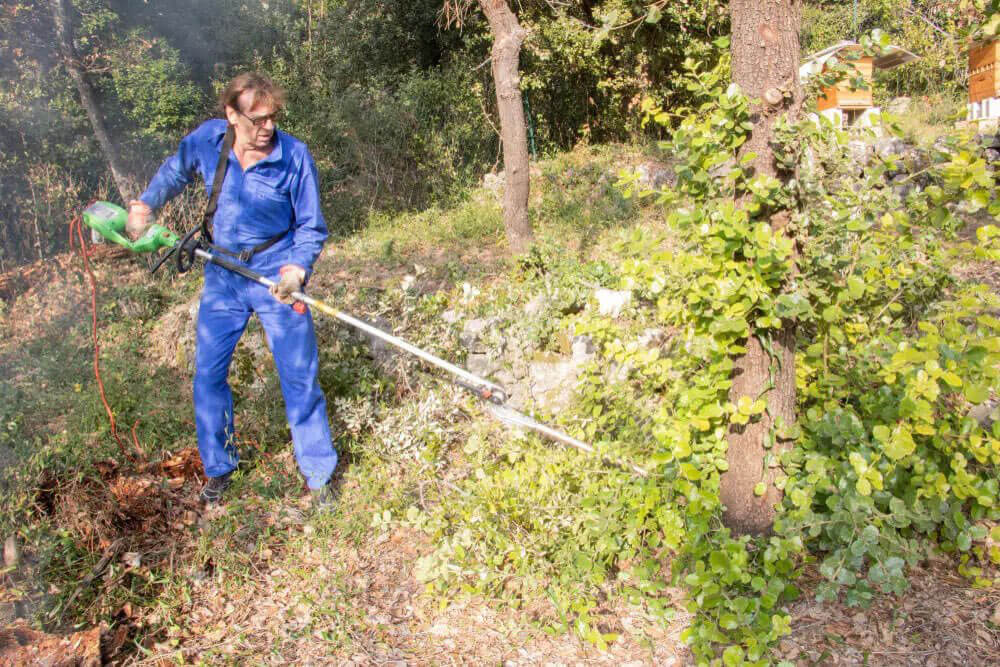
The Parke Company landscaper trimming a hedge

Landscape installations are a surefire way to add visual interest to your property without completely overhauling the look of your home. 

Installations come in a variety of forms. They can be softscapes: adding trees, shrubs, flowers and other foliage to your landscape. You may also elect to install hardscapes: things like walkways, pavement, rocks and ponds. Or, perhaps  your new landscape installation could consist of decor like outdoor lighting, water features, or tree hangings.  

Whatever type of landscape installation you decide on, it’s important that these featured pieces stay as beautiful a year from now as they are when they’re first put in. 

Here are six care tips for your new landscaping feature. 

Best Ways to Maintain a New Landscape Feature

1. Lawn Maintenance

Aside from the obvious ones, there are plenty of reasons to keep your lawn maintained. Other than keeping a pristine lawn for aesthetic purposes, the health of your landscape can be compromised if you do not take good care of your grass. 

By choosing the appropriate mower height and keeping your lawn at the optimal level, you reduce your risk for weeds to grow in grass that is stressed or unhealthy.

Weeds left to their own devices can infiltrate your new landscaping feature over time. Your once beautiful walkway may now be overrun by weeds and other uninvited pests. 

Be sure to maintain your lawn to combat any plant life with malintent. 

2. Brush Clearing

Similar to maintaining a tidy lawn, it is also important to clear brush regularly. 

When dead leaves and foliage stay on the ground unattended, there is a significant risk of mildew and fungus growth. If you have a water feature nearby, moist environments can be severely compromised by the presence of these invaders. 

Piles of leaves and brush can be a convenient home for small rodents and pests. Naturally, these unwanted guests might also make a home in your new fountain or rock feature. Keeping brush and foliage maintained can help circumvent this risk and keep critters at bay. 

3. Check Irrigation 

Faulty irrigation systems can present a real problem for property owners. Not only can irrigation systems that dispense too much or too little water damage the plant life of your property, they can also cause significant structural damage to landscaping features. 

If your irrigation system isn’t working correctly, this can have an adverse effect on your water features, resulting in sky-high water bills. You may also find that your landscaping features suffer water damage from a leaky sprinkler system. 

Having your irrigation system evaluated by a professional could help you avoid unsightly damage. 

4. Tree Trimming 

Tree trimming on your property is a great way to ensure that your landscaping features shine. 

Ponds filled with dead leaves are unsightly, and it would be a tragedy for your beautiful outdoor lighting fixtures to meet their end at the hands of a fallen branch. 

Be sure to get your trees trimmed regularly to avoid damage. 

5. Energy Conservation

Conserving energy is a great decision for any reason, but it can also do a lot to maintain the health of your new landscaping feature. 

Particularly with features like lighting or fountains that are supported by electricity, conserving energy can help to ensure that your features don’t run themselves ragged and that all pieces and parts stay operational for as long as possible. 

6. Expert Advice

Ultimately, it’s hard to notice every flaw or red flag in a property where you spend every day. Hiring an extra set of eyes for your landscaping services could be just the ticket to ensure that no issue goes unnoticed and every problem is attended. 

The experienced arborists at The Parke Company are well-versed in what it takes to properly maintain landscaping features through high-quality landscaping services. From installation to repair, our experts are here to ensure that your property stays beautiful. 
Give us a call (615-350-6033) or contact us online today to see how The Parke Company difference can work for you.
How Often and How Much Should My Lawn Be Watered?

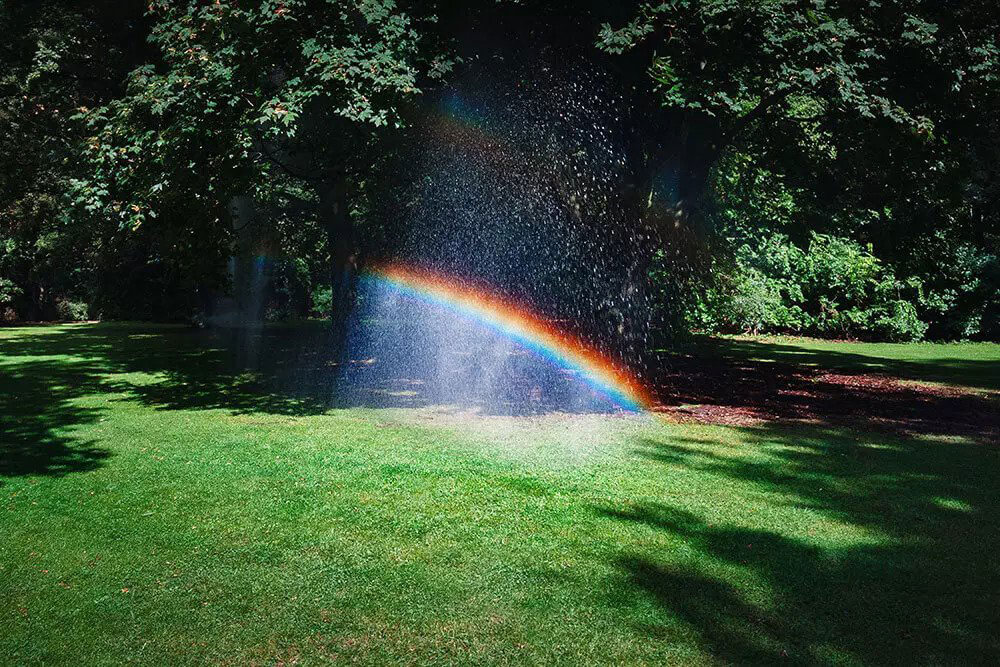
Rainbow showing in a sprinkler watering a lawn

Regardless of the climate in which you live, letting natural rainfall be your lawn’s sole source of water is a recipe for lawn problems. If you want a lush, green lawn that is the envy of your neighborhood, you’ll need to water your lawn through other methods. Whether it is through an irrigation system, a tried-and-true sprinkler, or some other method, you’ll need to conduct some lawn maintenance if you want to keep your lawn looking vibrant and healthy. 

In that case, you may then find yourself asking the same question many property owners are asking: How often and how much should my lawn be watered? 

When you’re strategizing for your next landscaping project or hiring lawn services, you’ll want to consider these factors in your decision-making process.

Factors in How Your Lawn Should Be Watered?

Type of Grass

Every person has different tastes and dietary needs, and so do different types of grass. According to the lawn experts at Scott’s, keeping a newly-seeded lawn moist (but not drenched) is critical for maintaining your lawn’s health. 

According to their lawn professionals, “You will likely need to mist the seeded area once or twice a day (possibly more if it’s hot and dry outside). Once the seeds start to germinate, continue to keep the top 2 inches of soil moist until the new grass reaches a mowing height of around 3 inches. After that, begin to cut back watering to twice per week and soak the soil deeper, about 6 to 8 inches, to encourage the grass roots to grow down deep into the soil.”

The specific breed of grass can also be an indicator of the quantity and frequency of water necessary to keep your lawn healthy. 

Grasses like tall fescue have deep root systems that will hold up well during dry spells and require less frequent watering. On the other hand, breeds like Kentucky Bluegrass will lie dormant during dry seasons and perk back up when rain comes back. 

If you didn’t personally seed the grass on your property, there is a good chance that you’re not even sure what type of grass your lawn is comprised of. In that case, call up the seasoned professionals at The Parke Company to get a proper evaluation of your property’s lawn and strategize how to best care for its health. 

Climate

In most cases, it’s important to understand that an established lawn is fairly resilient. Lawns can turn grey or brown during a dry spell and go dormant, then revive when rain returns.

This may not be the case, however, if your grass is in constant turmoil. A typical, healthy lawn might be able to survive weeks without being watered, but if you live in a dry climate, in which your lawn is suffering months at a time without rain, your lawn is already at risk. 

To determine if the climate of your region has gotten the best of your lawn, you can perform the “footprint test”. If you walk through your lawn and your footprints quickly disappear, you’re in luck! Your lawn has stayed hydrated. If your footprint remains, this means that your grass lacks the moisture to spring back into place. 

Experts recommend that the “top 6 to 8 inches of soil (where most turfgrass roots grow) is wet. Most lawns need 1 to 1.5 inches of water per week—either from rain or watering—to soak the soil that deeply. That amount of water can either be applied during a single watering or divided into two waterings during the week.” 

If your climate does not naturally offer this much rainfall, you’ll need irrigation to compensate for the lack of moisture. 

Figuring out exactly how much moisture your lawn is receiving is no simple task, and while there are hacks like “can tricks” and complicated math, you might want to save the science projects for another time. 

For now, make your life simple. The same experienced professionals who can help you with lawn mowing and fall cleanup can also help ensure that your lawn is being watered properly for the specific needs of your property. Our experts have the exact skills necessary to evaluate your lawn’s current condition and strategize how to best fulfill your landscaping dreams. 

Give us a call (615-350-6033) or contact us online today to see how The Parke Company difference can work for you.
5 Signs Your Irrigation System Needs Maintenance

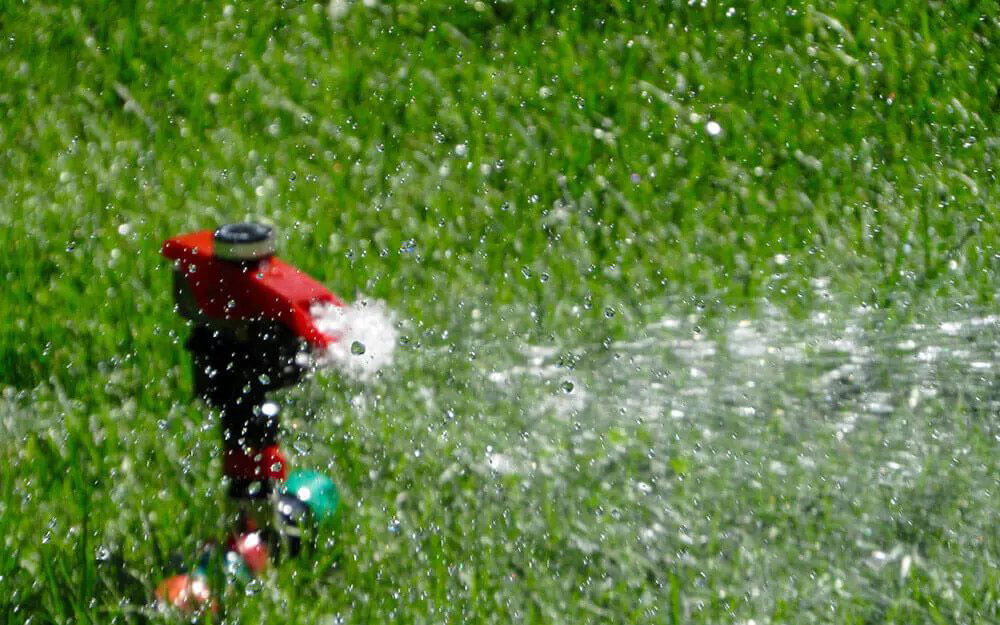
Sprinkler watering grass

Watch Out for These Signs of Damaged Irrigation

At its best, an irrigation system should make every property owner’s life significantly easier. With the installation of the right irrigation system, caring for your landscape can be as simple as setting a timer or flipping on a switch. No longer will you have to haul out a heavy sprinkler in the middle of July or conduct the painstaking process of dragging out a hose to tackle lawn maintenance. 

Irrigation systems make watering your lawn and the rest of your landscape a breeze– that is, as long as it is working properly. A malfunctioning irrigation system can cost you precious time and money. In that case, you’d be better off with no irrigation system at all! 

To avoid these costly risks, it’s important to catch subtle flaws in your irrigation system before they become major problems. For a proactive approach, here are five signs your irrigation system needs repair. 

Signs of a Damaged Irrigation System

1. Visible Leaks

One of the most obvious tells that your irrigation system is in need of repair is that it has visible leaks. 

Certainly, there will be water present on or around spigots simply because valves disperse water, but it is not normal for valves to leak. Especially if your irrigation system is leaking water while it is not in operation, this can be a sign of damaged equipment. 

A brief visual sweep of the irrigation system on your property can help to ensure that these visible issues are mitigated quickly. 

2. High Utility Bills

Monitoring the cost of your water bill is more than just a prudent financial practice; it could also tip you off to an issue with your irrigation system. 

Typically, you control the settings on your irrigation system, so unless you have increased the amount of water you want dispersed throughout your lawn, the cost of running your irrigation system should remain the same. 

If you’ve noticed a jump in the cost of your monthly utility bills, double-check your irrigation system. This could be a sign of a leak or faulty valve that is causing your system to release more water than intended. 

3. Excess Pooling

If you don’t observe any visible leaks, and if the leaks aren’t significant enough to cause an increase in your water bill, you can also catch this issue if you notice any excess pooling of water on your property. 

Puddles gathering around your lawn might be fun for the family dog, but they spell trouble for your landscape assets and are a clear sign that something is malfunctioning in your irrigation system. If you notice water pooling on your property, contact a landscaping professional immediately to mitigate this issue and avoid disaster. 

4. Plant Damage

Conversely, too little water flow can be another sign that your irrigation system isn’t functioning properly. 

If you’ve noticed patches of dead grass or other lawn problems, your first course of action may be to adjust the settings on your irrigation system. If you find that still doesn’t solve the issue, it could mean there is some sort of blockage or disruption in your irrigation system preventing water from flowing to your property. 

Not enough water eventually means that you will have two problems to solve: repairing a damaged irrigation system and fixing the dead landscape. This can be doubly costly if not discovered and addressed quickly.

5. Disrupted Water Flow

It can also be beneficial to take a look at your irrigation system while it is running. Typically, irrigations have a steady flow or rhythm while in operation. 

If you notice any disruptions, this is a clear sign of damage to your irrigation system. Disrupted flow can be a sign of a blockage or clog in your system and can be detrimental to the health and safety of not only your landscape, but the system itself. 

A system running without enough water pressure will not sustain the life of your landscape and a system running with too much pressure could damage the irrigation system in the long run.

It’s one thing to identify the issues with your irrigation system; it’s a whole other thing to be able to mitigate those issues. Hiring the experienced professionals at The Parke Company for landscape services is the first step to ensuring you receive the kind of lawn care necessary to preserve the assets on your property. 

From lawn mowing to tree removal, the landscaping professionals at The Parke Company have the experience and the skills to meet the unique needs of your property and bring your design dreams to life. 

Give us a call (615-350-6033) or contact us online today to see how The Parke Company difference can work for you.
Backyard Ponds: 4 Benefits of These Water Features

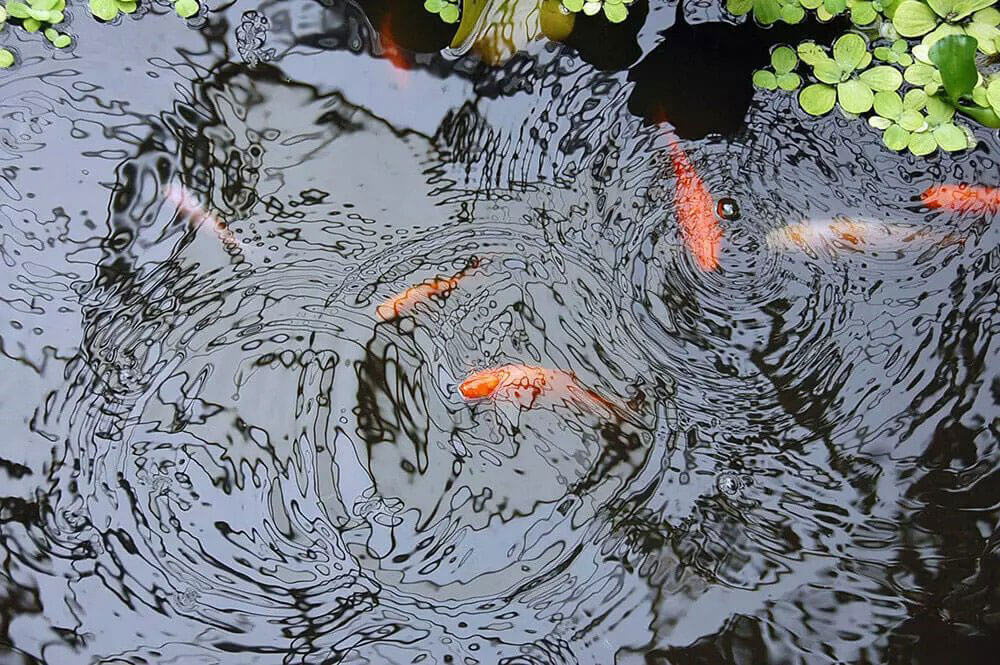
Water feature pond with coy fish

Consider These Water Features

When it comes to landscaping, property owners might believe that a pragmatist keeps their landscaping services limited to lawn mowing and more elaborate installations like water features are for more extravagant types of people. 

What you may not know, however, is that there is a whole host of benefits to adding a pond on your property that has nothing to do with impressing party guests or keeping up with the Joneses. 

From increased property value to environmental benefits, installing a water feature on your property could be the one landscaping decision that makes a world of difference for your residential or commercial property. 

Here is what you need to know about the four most significant benefits of incorporating a pond into your property’s landscape. 

Why Should You Install a Water Feature?

Property Value

With relatively high costs for excavation, some property owners may fear that ponds are a fiscally irresponsible choice. 

While pond installation is a landscaping project that may cost more than simple leaf raking or regular lawn maintenance, the added value balances out the sticker shock of the initial investment. 

According to American Forest Management, the increase in property value after adding a pond is almost certain. In most cases, the bare land values of a property with a pond increased anywhere up to 42% (with an average of a 6% increase, overall). In addition, properties with ponds were also on the market roughly 50 days fewer than homes without!

Saving Money

As previously mentioned, ponds can offer a great return on investment when the time comes to sell your property. Even so, ponds can actually be a great way to save money while you’re still enjoying your current landscape. 

Ponds virtually eliminate the cost to water a large area of your property, which cuts out a significant portion of your monthly utility bills. While there is an initial cost to fill the pond, these types of water features can refill with simple rain water, or drain pipes can be set up to capture and reroute rainfall into your ponds. 

Switching out the water occasionally may be necessary, but ponds are essentially self-filling and can even be used to water nearby plants and foliage if need be!  

Environmental Benefits

The greatest benefit that having a backyard pond offers may be its tremendously positive environmental impact. 

The aforementioned reduction in watering is certainly beneficial for the environment as well as your budget. Concurrently, reducing the overall amount of grass on your property reduces mowing, which cuts down on pollutants released into the atmosphere during lawn maintenance, plus it also reduces the amount of pesticides and fertilizers used on your property, further shrinking your carbon footprint and reducing your environmental impact. 

Aesthetic Quality

All in all, the first reason most people want a pond is because of the aesthetic appeal. Even those who don’t live close to a  lakeshore or ocean can find the tranquility of a body of water on their own private land. Whether it is a large man-made pond, or just something small enough for a few koi fish, ponds offer the auditory pleasure of trickling waters, gorgeous views, and even a relaxing dip if you’re feeling adventurous. 

If you’re looking for a new way to holistically improve your property, installing a pond is certainly the route to take, but this is one project you should never do on your own.  

Hiring the experienced professionals at The Parke Company for landscape services is the first step to ensuring you receive the kind of lawn services necessary to preserve the assets on your property. 

From lawn mowing to tree removal, the landscaping professionals at The Parke Company have the experience and the skills to meet the unique needs of your property and bring your design dreams to life. 

Give us a call (615-350-6033) or contact us online today to see how the design experts and arborists at The Parke Company can work for you.

When is the Best Time of Year to Prune?

Loppers pruning a tree branch

When You Should Trim Your Bushes

When your natural outdoor spaces start looking shaggy, some pruning and/or trimming is probably in order. But before you get out there with your shears or hire tree trimming services, consider whether it’s the right time to perform this task. Indeed, certain times of the year present more optimal conditions for pruning trees and shrubs. Pruning during a less optimal season is more than just a hassle — it can have detrimental effects on your foliage, lawn, and potentially your property.

So, when is the best time of year to prune? Generally speaking, late winter through early spring. Of course, the “best time” to prune somewhat depends on what you’re pruning, so the answer isn’t so cut and dry (no pun intended).

What to Consider About Pruning

What are You Pruning?

Different types of trees, shrubs, flowers, etc. exhibit different growth patterns, and these growth patterns largely determine when it’s a good time to prune them. 

For instance, hydrangeas typically bloom in the middle of spring, so it’s best to prune these shrubs earlier in the summer. Pruning them in the winter or spring will result in removing flower buds. Evergreen shrubs, on the other hand, should be pruned earlier, sometime in March or April, and deciduous trees should be pruned earlier still (February or March).

We won’t list every type of tree or shrub here, but the bottom line is that the optimal pruning time will hinge on what’s being pruned. Seek advice from professional tree pruners to get a more concrete answer for your scenario.

Why Prune in Late Winter/Early Spring?

For the vast majority of trees and shrubs, late winter through early spring (February-April) presents the ideal window for pruning. This might be surprising to some. After all, your trees might barely be budding in February, March, or even at the start of April. Indeed, this is exactly why this time of year is the best to trim your trees. 

While your trees and shrubs are still relatively bare, you or your professional pruners can gain a clearer picture of their structure, direction of growth, condition/health, etc. Additionally, most trees and shrubs are dormant during this time of year, just getting ready to start growing with the warmer weather. With all of this in mind, late winter/early spring presents the best opportunity to shape your trees and direct their new growth.

Benefits of Proper Pruning

Pruning your trees and shrubs at the right time isn’t just a matter of enhancing your lawn’s appearance in the short-term. Proper tree pruning yields other benefits as well. First, keeping your shrubs and trees well-kempt is good for their long-term health. Secondly, reducing the expanse of your trees and shrubs helps keep your lawn healthy, too, as this allows it to receive more water and sunlight. And, perhaps most importantly, trimming and pruning your trees helps ensure that large branches and limbs don’t scrape or fall on your property during high winds.

Is it Too Late to Prune Your Trees and Shrubs?

Now that we’re well into April, you might wonder if it’s too late to have your trees and shrubs pruned. The answer is: no! While we’re exiting the peak pruning season for most types of trees, there is still time to get this important task done before spring comes into full force. At the very least, here at The Parke Company, we can inspect your trees, shrubs, and lawn any time and let you know everything we can do for your property. Give us a call today at 615-350-6033.