

Municipal Landscaping: What’s a Tree Inventory, and How Can It Help Your City?

Old street with trees on either side

If you work in municipal landscaping, your heart’s passion is to beautify and preserve the natural landscape of your city. While every aspect of your town’s landscape design is important, tree care may be one that warrants reevaluation.

Some people think that tree maintenance is simple: tree removal, tree trimming, stump grinding. What they may not have considered, however, is that proper care for trees is vital to maintaining a thriving, green world, even in urban areas.

In addition to the procedures your city already has in place to tend to local trees, consider incorporating a tree inventory. Here is what you need to know about this important practice.

Why Are Tree Inventories Important?

What is a Tree Inventory?

As its name suggests, a tree inventory has a lot to do with accounting for all of the trees in a specific region. But it doesn’t stop at a simple roll call.

Tree inventories will take into account the number of trees in an area as well as the variety of trees recorded.

Some more sophisticated tree inventory processes will employ GPS and GIS technologies to ensure precision and accuracy of tree records. This allows those who oversee the landscape to have easy access to the locations and population sizes of trees in their city without having to rely on a potentially inaccurate map or by visiting the reasons in real life every time.

A tree inventory is the process of bringing true and precise awareness to the arboreal life of your city and efficiently recording that data in an accessible format.

How Does it Help?

Tree inventories do more than just inform your landscape maintenance professionals how many and what type of trees are present in your city. Tree inventories can also be effective for proper tree care.

On a basic level, tree inventories can be a practical way to save your city money. A keener awareness of the trees in your city can be helpful for anticipating new construction in particular regions in order to avoid unexpected costs related to sudden needs for tree removal. It can also instruct you as to which areas should be avoided for new construction.

Tree inventories are also a practical and detailed way to care for the health of your city’s trees.

Tree inventories do more than just record the type and location of trees in an area. They can also record specific reports on the health of individual trees. This can inform the certified arborists who care for your trees as to how to move forward with the treatment of the landscape.

A tree inventory records the current status of trees in the given area and can report back on needs for each tree to encourage flourishing and aid trees that may be in poor health. This can also be an effective measure for avoiding potential costs associated with sickly trees that may fall or infect other parts of the landscape, leading to the loss of plant life and presenting a hefty financial burden to your city.

What Are My First Steps?

Caring for a city’s landscape is a difficult job, and it is one that should only be performed by the best in their field.

If your city has yet to conduct a tree inventory, this is a vital practice to institute if the landscape is to be as healthy and beautiful as possible.

Your first steps should be to contact someone experienced in tree care. A certified arborist is best equipped to conquer this lengthy and arduous task.

The experts at The Park Company are committed to honoring the beauty of the landscape in their communities. Their certified arborists and landscape artists are uniquely qualified to care for the landscaping needs of Nashville and the surrounding communities.

A tree inventory may be what is keeping your city’s landscape from its best and healthiest state. Don’t hesitate to give us a call at (615)-350-6033 or contact us online today to see how The Parke Company difference can work for you.

5 Ways You Can Improve the Health and Life of Your Trees (Without Tree Removal)

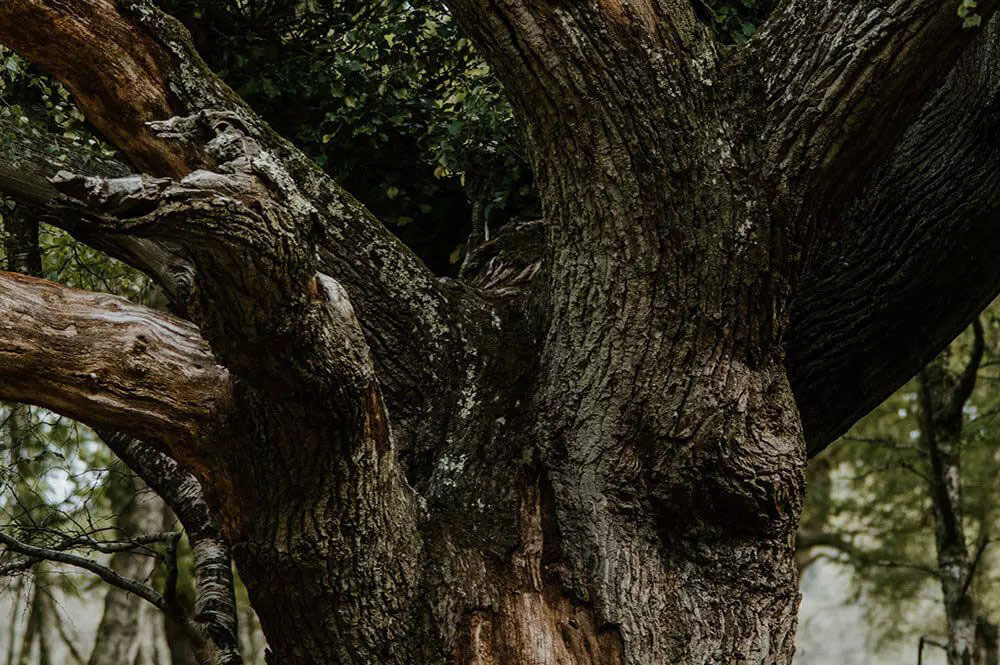
Large tree with branches going outward

A well-maintained tree (or a number of trees) is an integral feature of every great landscape design. Trees can create natural barriers on your property, provide shade, and tremendously benefit the overall aesthetics of your property.

For a number or reasons, proper tree care is a must. Not only are sickly trees unsightly, but they can also pose a genuine threat to the safety of your property.

In the worst-case scenario, an unhealthy tree could fall in a storm. A good way to prevent that would be to cut down a tree in poor health. An even savvier way to deal with this issue is to ensure that your trees never get to that level of unhealth.

To circumvent the costs of dying trees, here are five ways you can improve their health and life without removing them.

Best Ways to Improve Tree Health

1. Plant Strategically

If you haven’t yet, the best time to conduct a tree inventory is now.

By conducting a tree inventory, not only will you have an assessment of the health of your existing trees and be more informed as to what steps need to be taken, you will also have a detailed report as to the location of your current trees.

Preventing issues with tree health starts with planting trees strategically. When you plant trees with intention, you can ensure that competing species are not planted too close to one another, that they won’t grow into power lines, and that their placement won’t conflict with anything else in your current landscape design.

2. Start with Great Soil

Vital to planting trees strategically is starting with great soil. Just like any plant, trees need quality soul to grow well.

There are a number of different factors that make soil quality important. Not only does soil serve as a reservoir for vital nutrients and water, but it also contains the microorganisms that encourage beneficial decomposition, acting as an anchor for plant roots.

Maintaining healthy trees (as well as planting new ones) begins with assessing for quality soil to ensure that your trees have a hospitable environment in which they can grow.

If you’re not comfortable testing the soil yourself, seek out a landscape maintenance professional to do the complex work for you. These professionals will evaluate the soil for qualities like texture, drainage, chemical properties, and more.   

3. Tree Trimming

As previously mentioned, trees are plants and, as such, require similar care.

Just as you would prune dead leaves from a basil plant, or cut back dead parts of a grape vine, it’s important to incorporate regular tree trimming into your tree care.

By trimming trees regularly, you can identify diseased branches and trim them before any more sickness spreads. You can also ensure that trees don’t get overgrown if they are near any other feature of your landscape that may compromise the tree’s health.

Tree trimming has a vast array of benefits from maintaining the health of trees and increasing sun exposure, to protecting against branch weakness and improving the life of fruits and flowers.

4. Pest Maintenance

The neighborhood squirrels and raccoons may be cute, but they might not be the best for maintaining the health of your trees. In some cases, an animal that choose to make a home in or near your trees could be what compromises the health and safety of the trees on your property.

Especially with young trees that are growing, and sickly trees you’re treating, a physical barrier or other repellant can keep pests from munching at your tree’s bark or building a home where they may not belong.

5. Ask the Experts

When it comes down to it, it isn’t enough to simply ensure that you maintain the health of your trees; it must be done well for them to flourish to their potential.

If you’re not confident that you can perform all of the necessary tasks to support the growth of your trees, you’ve got a few options: you could spend hours researching how to best serve the trees on your property, or you could call a certified arborist to do the tough work for you.

By trusting the landscape professionals at The Parke Company, you call rest easily knowing that your trees will be evaluated and cared for by experts who will tailor their work to the unique needs of your property.
Give us a call (615-350-6033) or contact us online today to see how The Parke Company difference can work for you

How to Protect the Beauty of Your Home Landscaping in Tennessee’s Unpredictable Climate

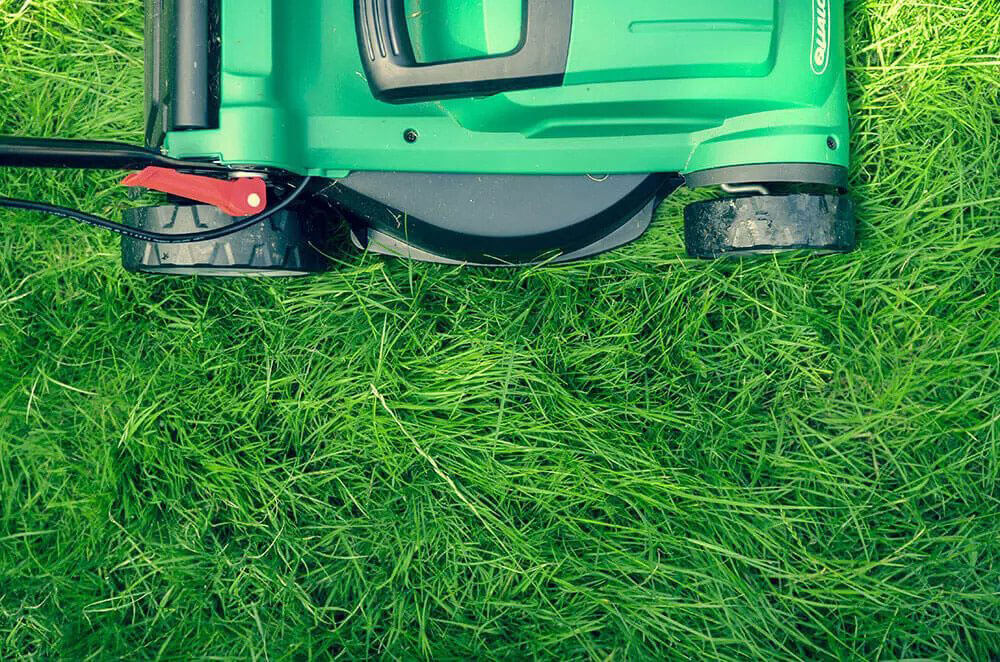
Lawnmower mowing a lawn

If you’re not too careful, you may make the mistake of assuming that Tennessee’s climate can be lumped in with other nearby states. By slapping the label “southern” on an area, you may assume that Tennessee’s yearly climate consists of dreadful summers, nonexistent  winters, and year-round warmth. 

While Tennessee could certainly be considered a southern state, its greatest diversity may not be how much it differs from surrounding states, but by how diverse the climates are within the state itself. 

Tennessee has a generally temperate climate, fostering somewhat pleasant weather year round, but its varied topography leads to a variety of climatic conditions that can be observed in the state.  

Given its wide range of topography, Tennessee is divided into six topographical regions: the Unaka Mountains, the Great Valley of East Tennessee, the Cumberland Plateau, the Highland Rim, the Central Basin, and the Gulf Coastal Plain.

The differences between mountains, plains, and valleys are vast and can make for some terribly unpredictable weather, regardless of where you’re located. 

Keeping the variety of Tennessee’s topographical features in mind, there is no one-size-fits-all method for caring for your landscape design. Here are some techniques to incorporate to your landscape maintenance throughout the year to combat a finicky climate. 

How to Protect Landscaping in Tennessee Weather

Irrigation Systems

As much as we may like to, none of us can control rainfall. It’s obviously incredibly important that your home landscaping receives the appropriate amount of water year round, regardless of the rainfall that occurs naturally. 

A simple solution to this is to install an irrigation system. By doing this, you can easily water your landscape and adjust quickly to changes in the weather. Rather than digging out your sprinkler from the back shed after you thought you were finished for the season, an irrigation system ensures that all areas of your property get the water they need to flourish all year long. 

This also includes factoring in drainage systems. The appropriate drainage system will help you deal with any unexpected rainfall or flooding, and it could be the saving grace to ensure that your landscape doesn’t drown in unpredictable weather. 

Plant with a Purpose

Proper lawn care and landscape maintenance begins before trimming and watering processes. The best landscapes are carefully designed with variable climates in mind. 

While your options for what to plant are somewhat regionally determined, there are a number of flowers and trees known to withstand a variety of climates. If you’re looking for a low maintenance addition to your landscape, one of these plants may be a wise idea if you’re looking for something that can withstand unexpected frost. 

According to Cassy Aoyagi, president of Form LA Landscaping, planting species that are native to your region is also a great way to proactively combat tenuous weather. Plants that have grown in your area for a while have had time to adapt to any common changes in the climate and the soil. These plants will be more resistant to disease and will self-adjust to many of the changes in climate.  

Proactive Maintenance

You’d be surprised at just how essential a routine cleanup job is to your property. An unpredictable climate can mean unusual growth and death that clutters your landscape. 

When trees suddenly shed leaves and branches, being unprepared for this change can pose a threat to the health of your property. Perhaps your trees drop a large number of leaves in the summer season before your planned leaf removal. Being out of season is no excuse for leaving this issue unresolved. 

If lots of leaves and branches stay on the ground, you risk leaves rotting and stifling the growth of grass and tree roots. Protecting the beauty of your landscape in unpredictable climates means being proactive and observant, quickly tending to issues when they arise and not waiting until the next season to tackle the problem. 

Swings in weather can also lead to growth of mold and fungus. If left untouched, these invaders can infect your property with disease and lead to the death of trees, shrubs, and other vital elements of your landscape. 

To avoid resorting to tree removal, be sure to incorporate proper tree maintenance and inspect your plants closely when there are unexpected shifts in the weather. 

Get an Evaluation 

Ultimately, there will be changes in the climate that you can’t prepare for. As the environment suffers more and more unusual swings in climate behavior, there is a chance that your property will endure unprecedented shifts in weather that take a toll on your landscape. 

The best way to protect the beauty of your landscape is by hiring a professional to evaluate your property’s needs and treat it accordingly. 

A certified arborist or lawn care specialist has the skills and know-how to critically assess your landscape’s unique needs. The Parke Company is staffed by specialists who are ready to help ensure that your property stays beautiful, regardless of nasty weather. 
Give us a call (615-350-6033) or contact us online today to see how The Parke Company difference can work for you.

Preparing Your Home for Sale? Don’t Forget Your Lawn and Garden

Freshly mowed lawn in front of house for sale

When selling your home, there are a million different things going through your mind. You need to finish up that retiling project you started a year ago. You need to finally clean out the attic and shed. You need to repaint the walls your kids scribbled over as toddlers. 

While the laundry list of tasks to complete before your house is ready to go on the market may seem endless, there’s one important step you may have overlooked: preparing your lawn and garden. 

The importance of curb appeal truly cannot be emphasized enough. Having a well-maintained landscape could mean the difference between a flood of offers and a complete dry spell. Prospective buyers won’t get a chance to see the beautiful job you’ve done renovating your home if they never make it past the brown patches in your lawn. 

When you’re preparing your home for sale, don’t forget your lawn and garden. Here are a few things worth knowing.

Make Sure This is Done Before Selling a Home

Lawn

Not only is your lawn one of the first things that a prospective buyer will notice, it is also the largest feature of your landscape. If your lawn is unhealthy, tending to it is a much larger task than simply pulling a few dead plants. 

Prospective buyers may be deterred by an unhealthy lawn because it foretells a massive undertaking to revitalize the entire square footage of your property. 

If your lawn is in a sorry state and you’re preparing for a home sale, you have a few different options for mitigating this issue. 

Installing an irrigation system is a simple way to ensure that your lawn will be nurtured back to health. Irrigation systems like in-ground sprinkling can be programmed so that you don’t have to worry about keeping the lawn watered while you’re juggling everything else you need to do before putting your house on the market. You can rest assured that your lawn will be a lush, attractive landscape in time for showings. 

If all else fails and you’re quickly nearing house-showings, you may also want to consider sodding to replace the parts of your lawn that are beyond repair. 

Trees

While the lawn of your property takes up the most square footage, your trees are the features that often stand out the most to a prospective buyer. 

When someone looks at a home, they’ll be sure to consider whether or not they’ll have an expensive tree removal project on their hands in the near future. 

Take inventory of the trees on your property. By hiring a certified arborist, you can ensure that your trees are properly evaluated so that any tree removal (or tree planting, possibly!) can be handled before a potential buyer lays eyes on your property.

Tending to the trees on your property helps reduce the risk that your landscape deters a potential buyer.

Garden

First and foremost, it is vital that you conduct a thorough sweep through any garden beds to remove unsightly brush and dead plants. Aside from the obvious aesthetic issues, a flower bed gone grey might lead a potential buyer to believe that there are issues with the soil or that you, the current homeowner, aren’t responsible enough to tend to the details of your property. If it doesn’t completely turn away a buyer, it may give them cause to low-ball an offer. 

By wowing your prospective buyers with vibrant colors and tidy shrubbery, the first impression they have of your home is one of beauty and organization. Start off on the right foot with your potential buyers. It may even lead them to view the rest of your home in a positive light. 

Preparing to sell a home is a highly emotional experience. You deal with the stress of paperwork, numbers, and the myriad of little to-dos that creep up along the way. All of this is compounded by the fact that leaving a beloved home can be incredibly painful, even if you’re moving on to bigger and better things. 

As difficult as the moving process is, ensuring that your physical home is sufficiently prepared isn’t a task you should have to accomplish alone. The experienced professionals at The Parke Company are skilled and available to aid in the process of preparing your home for sale.

Give us a call (615-350-6033) or contact us online today to see how The Parke Company difference can work for you.
Lawn Mowing and Landscaping: Recommended Mowing Height

Freshly mowed lawn

When you consider what it takes to keep your lawn and landscaping beautiful and verdant, a few things might come to mind: ensuring everything gets the right amount of sun, weed and tree removal where necessary, and a proper irrigation system, to name a few. 

What you may not have realized is that proper lawn mowing can be the key to circumventing serious lawn problems and ensuring that your entire landscape lives up to your design dreams. Here is what you need to know about recommended mowing height for expert lawn mowing and landscaping. 

What to Know About Mowing Height

The Basics

In general, the “rule of thumb” for optimal lawn height is that grass should be about 2½ inches. It is believed that you should cut off about one third of the blade of grass when you mow. Doing a little math, that means you’ll probably want to cut your lawn when it’s around 3 ⅔ inches high. 

Season and Climate

While the 2½ inches rule works well in the  cooler months, you may want to let it grow even longer in the hotter months as water is less and less available. 

Conversely, if you live in an area of high moisture, or if the winter months are coming soon, a low cut of grass can be much more beneficial in the long run. 

Tall grasses trapped under piles of snow can ultimately lead to the infiltration of mold and fungus. It can also be a place that rodents burrow during the winter to seek refuge from frigid temperatures. 

Cutting your lawn to a shorter length right before it is covered in snow can be immensely beneficial for avoiding some potential damage.   

Hydration

If you want to keep your lawn lush and hydrated, consider letting it grow a little longer. According to the home and garden efficianados at The Spruce, a lawn that grows longer has more surface area on every blade of grass and therefore has more moisture reserves, protecting your lawn during periods of drought or when you want to take a little extra time between watering. These longer blades of grass retain water longer down to the roots and can self-sustain until the next rainfall much more efficiently that shorter lawns.  

These longer blades also result in more extensive root systems that capitalize on photosynthesis more than shorter blades, fostering more expansive growth. 

Tips and Tricks

One of the simplest (and most clever) tricks for making sure you’re cutting your lawn to the appropriate height is also from the brilliant folks over at The Spruce. They suggest marking the wheels on your lawn mower with the desired height. 

Using a paint marker, draw a line indicating the height you want for your lawn and use that as a guide when you mow. (Just be sure to include arrows so you know which is the top and bottom of your line!)

While maintaining a healthy lawn isn’t rocket science, it can still be a tricky task. These tips can be a helpful guide to lawn maintenance, but sometimes the best route is to hire lawn services. 

The experienced professionals at The Parke Company can help you assess your lawn and landscape to ensure that your lawn maintenance caters to your property’s unique needs.  

Whether its tree removal, landscape design, or lawn care, give us a call (615-350-6033) or contact us online today to see how The Parke Company difference can work for you.