Jumpstarting Your Spring Irrigation System

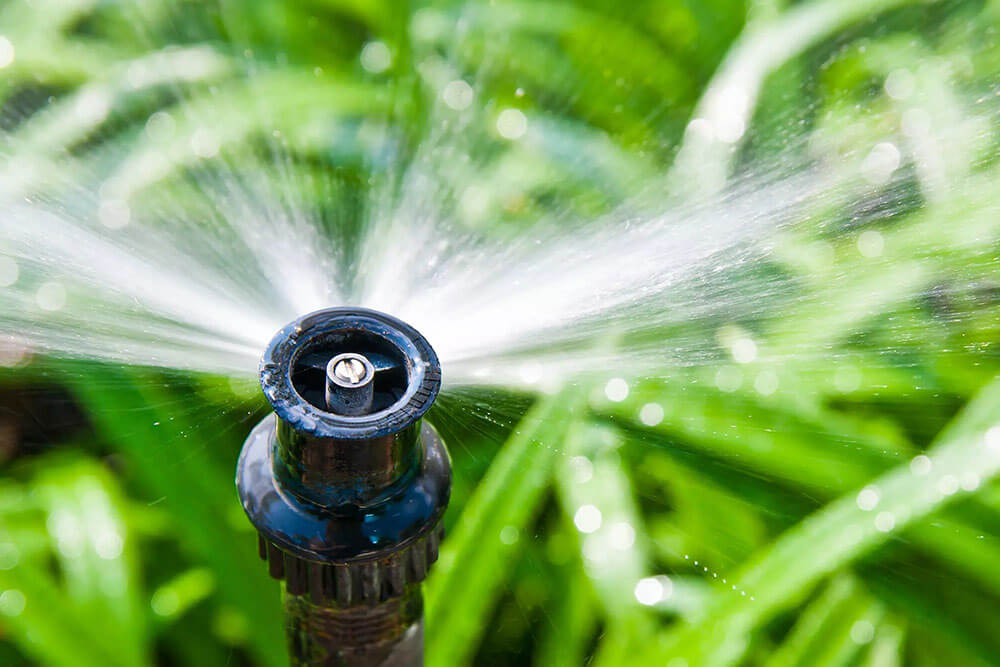
Irrigation system watering grass

Get Ahead of Irrigation This Spring

Spring has arrived, and in some regions of the U.S., the warmer weather has already begun. After another long winter, you might be tempted to jump right back into your lawn maintenance and landscaping, and no one would blame you. After all, winter weather can take a heavy toll on your natural outdoor spaces, and you might think that the sooner you can breathe life back into your greenery, the better.

That said, you must approach these processes carefully and strategically, especially when it comes to jumpstarting your irrigation system. Failing to take the proper precautions can damage your lawn and your irrigation system itself.

How to Jumpstart Your Irrigation System

Understanding Your Irrigation

The first step to avoiding an irritating irrigation experience this spring is having a basic understanding of how your irrigation system works. While there is plenty of variation between these systems, they can serve the same purpose and function similarly. Their purpose, of course, is to automatically and consistently provide your lawn and garden with the right amount of hydration they need to thrive. When properly installed and calibrated, your irrigation system should save you time, energy, and water in the long run.

Irrigation systems are made up of several key components, namely pipes, sprinkler heads, and valves. Of course, the size, shape, and material of these components will vary based on your circumstances, needs, and budget. In order for your irrigation system to operate efficiently and safely, the GPM (gallons per minute) of your water source must be measured. This rating will help determine the flow, size, and overall design of your system. 

Your system must also be optimized for the type and size of surfaces being watered. For example, lawns require larger sprinklers to remain hydrated, and flower beds (which are more delicate) benefit from smaller heads. Sprinkler heads may also be stationary or rotate at a certain rate and angle. Lastly, your system’s shut-off valve and backflow prevention valve(s) should be placed in convenient locations to save on water costs and allow you to control flow.

Taking Proper Precaution When Rebooting Your Irrigation System

Even with a rudimentary notion of how your irrigation system functions, you might wonder why improperly restarting it in the spring can lead to lawn problems and potentially damage your system’s components.

Consider this: your pipes (which are beneath the soil) and sprinkler heads (which are just above it) have just endured several months of freezing temperatures at the ground level. Additionally, water has not been flowing through your system during this time. All of this means that the inside of your system will be stiff and fragile, even if spring has already commenced. If you suddenly send gallons of water through it right after this dormant period, you’re bound to burst a pipe at the very least.

In order to jumpstart your irrigation system this spring without any problems, the first step is to be patient. You’ll want to wait until the ground has fully thawed. You can do so by inserting a shovel into the soil, aiming to penetrate at least 12” before contacting hard, frozen ground. Then, be sure to inspect your system’s components (sprinkler heads, valves, etc.). Check for damage and remove any dirt, debris, clogs, etc.

Also, make sure your backflow prevention device is properly attached to your system (you or your lawn services may have removed it for the winter months) and close test cocks, open shut-off valves, and tighten all bolts. Once everything checks out, you can turn on the water, but do it very, very slowly, opening the main valve just a bit so a small amount of water can enter the system. The less pressure, the better.

When in Doubt, Rely on the Professionals


All of the steps outlined above are necessary for getting your irrigation system back in action for spring. But if it all sounds too complicated or you simply want a professional touch, hire a reliable irrigation and/or landscaping service. At The Parke Company, our irrigation services include installation of new systems, add-ons to existing ones, repairs, backflow testing, winterization and spring startups, and more. Let us  help you prepare your lawn for the warm weather. Give us a call today at 615-350-6033.
Traditional Mulch Vs. Pine Straw: Which Should You Choose?

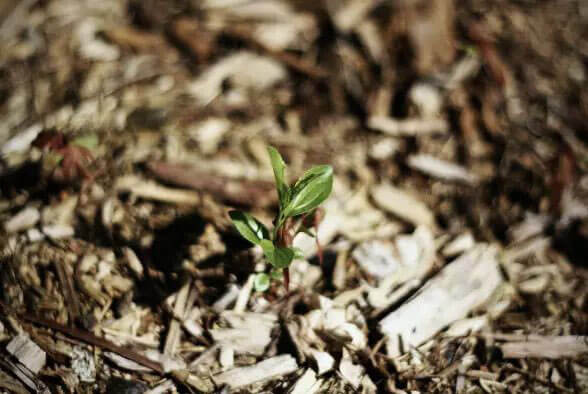
Small plant growing out of mulch

Should You Go With Mulch or Pine Straw?

As a homeowner or property manager, there are a million different decisions to make when it comes to landscaping. Between flower gardens, tree lines, and landscape installations, the finer details like soil and mulch might feel like unimportant choices to make. While easy to ignore, details like what goes into your soil are anything but small. If your landscape doesn’t have a healthy foundation, there is little chance that it will foster the kind of growth necessary to create a beautiful landscape. Don’t leave these crucial details up to chance. Make the right choice when it comes to soil health and opt for the mulch that’s perfect for your soil. If you’re lost deciding between a traditional mulch or pine straw, here’s everything you need to know to make an informed choice. 

What to Consider in Choosing Mulch or Pine Straw

Cost

Cost is one of the first factors to take into account when weighing your mulch options is cost. Mulch tends to cover large areas, so it may be a larger investment than some of your other landscaping project materials. As many landscaping professionals can attest, traditional mulch is typically the more expensive option of the two. Particularly if you are attempting to cover a large area (and don’t have a large budget to match), you may find that pine straw is a more prudent choice. On the whole, if what you’re looking for is a cheap option, pine straw is a quick, easy solution.

Maintenance Level 

When it comes to a low-maintenance solution for mulch, it’s not quite as apparent which choice is the simplest of the two. In terms of installation, traditional mulch is a bit more cumbersome and labor-intensive. However, while installing pine mulch may be easier, maintaining it over time is a bit trickier. Pine mulch does not stay in place nearly as well as traditional mulch can, which can be problematic after a heavy rainfall or windy storm. In this case, pine straw needs to be replaced more regularly, which might even mean that it costs more than traditional mulch in the long run.  

Efficacy

Efficacy of mulch might mean different things to different property owners. When deciding which mulch would be the most effective for your landscape, keep these metrics in mind: aesthetic, nutrient-value, environmental impact. In terms of aesthetic quality, mulch has a much more diverse array of options to cut, color, and material. Depending on your desired aesthetic, traditional mulch may be better suited to match your unique property. On the other hand, according to landscaping professionals like GreenPal, many people do prefer the look of pine straw, particularly in areas with dense populations of pine trees. Far and away, traditional mulch offers a greater nutrient-value to your plant beds. Furthermore, traditional mulch also acts as a much better moisture and weed barrier– keeping in the things your landscape needs and keeping out what it doesn’t. 

Finally, as any ethical property owner would, it’s important to consider the environmental impact of mulch and pine straw. This category is a win for pine straw. In the production of traditional mulch, there are usually large machines used that have a negative impact on the environment. Mulches can also contain dyes and chemicals that may be hazardous in some cases. Whatever you choose, the most important thing is that you decide on the type of mulch that is right for the unique needs of your landscape– even if that is a combination of the two types! In any case, don’t let a random choice put the health of your landscape at risk, leave it up to the experienced professionals at The Parke Company. 

From lawn mowing to tree removal, the landscaping professionals at The Parke Company have the experience and the skills to handle lawn problems and answer your landscaping services questions. Let us meet the unique needs of your property and bring your design dreams to life. 

Give us a call (615-350-6033) or contact us online today to see how The Parke Company difference can work for you.

The Dangers of DIY Tree Removal

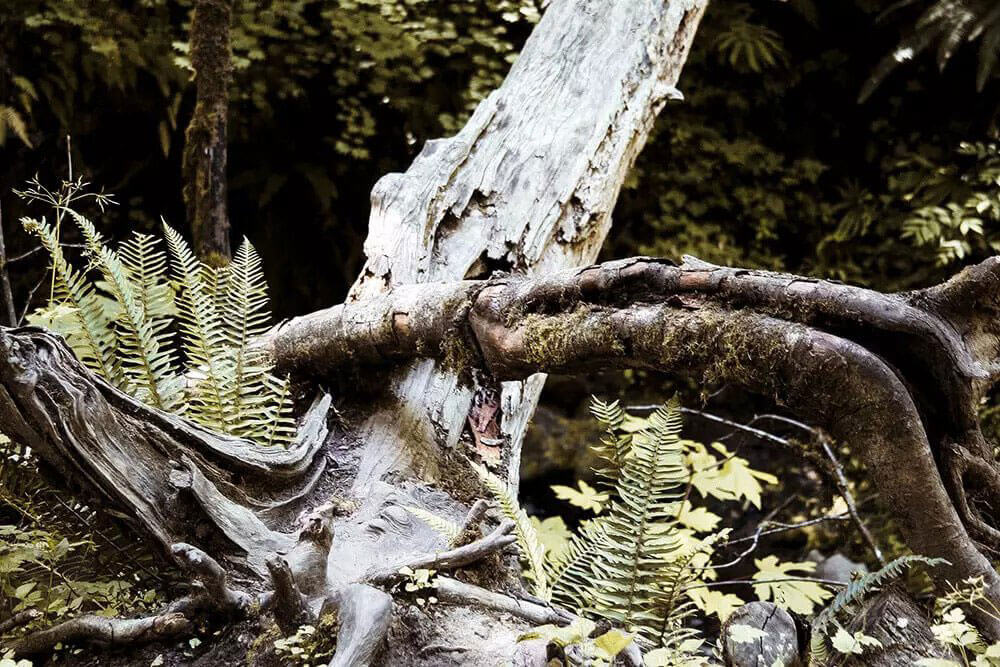
Dead tree sitting in the woods

Be Safe and Trust Professionals With Tree Removal

A do-it-yourself project always starts off as a good idea. You may get the opportunity to learn a new skill. You might save money. Plus, you get to revel in the glory of a job personally well done. 

In most situations, however, the best laid plans for a DIY project usually result in a half-completed project and a lot of frustration.

Attempting to complete your own landscaping can pose a lot more challenges than stray fabric scraps or a half-assembled bookshelf. Especially when it comes to tree removal, this is one project you don’t want to do without professional help. 

Here’s what you should know. 

Tree Removal Services

Tree removal is a bit more involved than many of the other common landscaping services you might otherwise be able to complete on your own. 

Those attempting to remove their own trees might go about it in the old fashioned way by looping a chain around the trunk of the damaged tree, attaching the chain to a truck, and putting their foot on the gas. 

While this might seem like a straightforward approach, it is fraught with danger for those removing the tree and everyone around. 

Removing a tree through this method, without proper techniques, puts your car at risk for significant damage. It can be difficult to estimate only through a visual inspection just how strong a tree’s roots are. 

If inaccurately measured, attempting to remove a tree by using a car could mean losing a bumper– and that’s not the worst damage you may suffer. 

For the amateur landscaper, guessing which direction a tree will fall can be a gamble. You might get lucky and the tree will land where you want it to. If Marshall’s law is in effect, the tree is much more likely to fall on your home, your garage, or another place in your yard that puts you in danger. 

Aside from the destruction, attempting to remove your own tree could also involve removing a tree that still has life remaining. An experienced landscaping professional will know how to determine whether your tree can still be saved through simple tree trimming or maintenance, rather than removal altogether. 

Unless you have extensive experience in landscaping, it can be nearly impossible to tell whether you should remove or repair the trees in your yard. 

Even if you want to remove the trees on your property for cosmetic purposes, the dangers of DIY tree removal could result in more cosmetic damage than aesthetic improvement.    

In any case, the most important thing is that you don’t do tree removal alone. The landscaping professionals at The Parke Company have the experience and the skills to meet the unique needs of your property and bring your design dreams to life. 

Our landscaping experts have the skills and experience to keep your landscape healthy using safe and effective procedures. Don’t leave tree removal up to chance. Trust the experts!

For lawn problems, raking leaves, or other landscaping services, give us a call (615-350-6033) or contact us online today to see how The Parke Company difference can work for you.

Healthy Trees – 5 Signs to Look For

What Do Healthy Trees Look Like?

When it comes to landscaping, flowers and shrubs tend to be the stars of the show: they’re a lot more delicate, require more focused care, and tend to grasp attention much more quickly than anything else on your property. 

As such, most property owners are likely to make their greatest landscaping investments with flowers, gardens, and shrubbery. Some will even assure they always have a meticulously tailored lawn.

In most cases, trees are relegated to the perimeters of a property and many people understandably assume that they take care of themselves. However, during dry seasons, you actually should ensure they are watered almost weekly. 

While they can be easy to ignore, the savviest property owners and managers are keenly aware of the health of the trees on their property. 

Not sure where to start when it comes to evaluating the trees on your property? Look no further for the answers you’ve been seeking! 

Here’s everything you need to know. 

  1. Full, Healthy Leaves

Hopefully this one is a bit of a no-brainer. All trees will undergo natural cycles of dropping their leaves in the fall and remaining dormant in the winter, but a tree that doesn’t regrow in the spring and summer is a sign of a dead or dying tree. 

Your healthy trees should have full, colorful leaves with every new season; if not, it may be time to call a local arborist for a check-up. 

  1. Trunk (or Central Leader)

In the best circumstances, your healthiest trees will have one single trunk and it will split off into branches close to the top. If your trees do not have a strong central leader, and it splits off into multiple trunks, this is the sign of a weak or damaged tree. The healthiest trees will have a strong base off of which smaller branches will stem. 

  1. Strong Bark

It can be helpful to think of bark on a tree as similar to your own hair. In times of stress or nutrient-deficiency, our hair tends to fall out at a greater rate than what is normal, indicating that we may have a health problem at the time. 

In the same way, a tree’s bark should be strong, not brittle or crumbling. Bark that remains strong on the tree’s trunk is a sign that your tree is in good health. Strong bark does not crumble and is free of moss and mold.  

  1. Growth Over Time

It doesn’t take a landscaping professional to know that plants should be growing over time. If you’re curious as to whether or not your trees are healthy, it may be prudent to check their growth every season. 

While long-term growth can be difficult to detect if you haven’t been tracking your trees, a landscaping professional can help you devise measures to evaluate your trees’ growth.

  1. Branch Health

One final method to verify tree health is through examining branches. Certainly, branches that have fallen to the ground are likely to be brittle and dry since falling usually indicates that they are already dead. 

Check the branches that remain on your tree to determine your tree’s health. In the case of a healthy tree, peeling back a bit of the bark should reveal green-ish flesh beneath.

In any circumstance, healthy trees are crucial, not only to maintain the beauty of your landscape, but also to prevent the catastrophe that accompanies trees that fall. 

Especially if you suspect that your trees may not be in perfect health, hiring landscaping services is a crucial first step. 

Hiring Landscaping Services

Our landscaping experts have the experience and skills necessary to help you devise the best ways to protect and beautify your landscape. Our technicians know just how to get you the biggest bang for your buck and add value to your home’s aesthetic while keeping your property safe. 

From lawn mowing to tree removal, the landscaping professionals at The Parke Company have the experience and the skills to handle lawn problems and answer your landscaping services questions. Let us meet the unique needs of your property and bring your design dreams to life. 

Give us a call (615-350-6033) or contact us online today to see how The Parke Company difference can work for you.

5 Ways to Enhance Curb Appeal with Landscaping

Considering the current state of the world, the housing market seems tenuous, to put it lightly. Whether your area’s economy has felt the weight of the pandemic or you are remaining strong in spite of it, there are a number of reasons to feel uneasy about buying or selling a home right now. 

It is more crucial than ever that you do everything in your power to highlight the better features of your home and ensure that you’re putting your best foot forward when you put your property on the market. One effective way to do that is to highlight the unique Nashville landscape in your home exterior decor.

How to Enhance Curb Appeal With Landscaping

Careful interior decorating is a must, but it may all be for nought if the exterior of your home turns away potential buyers. While it may be the last thing on your mind, curb appeal should be at the forefront of your to-do list when selling a home. 

If you’re looking for creative ways to make your home stand out, look no further. Let’s explore five ways to enhance your curb appeal with landscaping. 

Here’s everything you need to know. 

  1. Colors 

There are a number of ways to make your house stand out, but painting your siding a bright color that sticks out for all the wrong reasons, might not be the best one. 

It’s no secret that color draws eyes and helps to differentiate your home from your neighbor’s. A brightly-colored door is a nice change, but some adjustments with landscaping can help add a touch of the rainbow without a single coat of paint.

Colorful flower beds and shrubbery are great ways to feature your front yard and contrast from lush green grass. Especially if you live in a more urban area where lawns are more limited, potted flowers are a lovely substitute. They can also complement the pops of color on your home without being too abrasive to the passerby’s eye. 

  1. Levels

When you think about what people see when they look at your home, most property owners focus on clean siding and trim lawns. What you may not have considered, however, is the importance of incorporating different levels to your visual landscape.

By installing plants and shrubs of different heights, you force the eyes of prospective buyers to travel to different places around your property. This can give your house the appearance of being larger and draw attention to features like large windows, all of which are selling features.  

  1. Shapes 

Another way to add interest and boost curb appeal is through shapes. Most houses are relegated to shapes like rectangles and squares, leaving their appearance fairly two-dimensional and rather traditional.  

Shrubs and other plants are great ways to incorporate curves and rounded shapes into the visual aesthetic of your property and add interest that is otherwise impossible through your home’s architecture alone. 

  1. Uniqueness

When you purchase a home, your options for adding your own personal stamp on the home itself can be fairly limited unless you’re prepared to do some serious construction. 

By changing up your landscaping, you have the opportunity to incorporate as much or as little greenery and flowers as you’d like. Landscaping is one of the few things you can do to your property that gives you almost full agency through projects that can be completed in an afternoon, or for larger projects, within a few days or weeks. Your personality can shine through when a yard is meticulously tailored or offers an easygoing serenity. Anything is possible if you are willing to fully invest in a new look.

  1. Hardscapes

For those property owners looking to go a bit further, hardscapes aren’t just for backyards. 

While you may not install a large fountain or pond in your frontyard, you do have a number of options for incorporating hardscapes to boost curb appeal. 

Paved walkways and smaller fountains are special features that can help your house stand out from the crowd and tip the scales in your favor in the mind of a potential buyer.

Whether you’re looking to sell soon or just want a way to improve the appearance of your home from the street view, curb appeal can always be improved, but it may require some help from professional landscaping services. 

Hiring Landscaping Services

Our landscaping experts have the experience and skills necessary to help you devise the best ways to protect and beautify your landscape. Our technicians know just how to get you the biggest bang for your buck and add value to your home’s aesthetic to put your property ahead of the rest.

From lawn mowing to tree removal, the landscaping professionals at The Parke Company have the experience and the skills to handle lawn problems and answer your landscaping services questions. Let us meet the unique needs of your property and bring your design dreams to life. 

For landscaping, Nashville, TN, trusts The Parke Company. Give us a call (615-350-6033) or contact us online today to see how The Parke Company difference can work for you.