
Safe Salt and Mineral Options for Your Walkways This Winter

Woman on salted walkway in the snow

We are fortunate in Nashville. While winters can bring some nasty weather, our cold months are relatively mild compared to our neighbors to the north. That said, we still get ice and snow and have our fair share of slip and fall accidents as a result.

So how do Nashville homeowners wage the deicing war? Unfortunately, many attack the ice with rock salt (sodium chloride). Rock salt has one redeeming characteristic: it is dirt cheap. But if you take a hard look at what rock salt can do, it quickly becomes obvious that repeated use can cause serious, expensive damage.

Rock salt is an abrasive and a corrosive and will wreak havoc on concrete walkways and driveways. At the Parke Company, Nashville’s premiere landscaping service, we are concerned about how sodium chloride affects our clients’ landscape. Not surprisingly, rock salt is not plant friendly.

What to Know About Rock Salt

How Rock Salt Damages Your Landscape

There are a number of ways that sodium chloride can damage plants, trees, and grass. Salt spray either from the road or from traffic on your driveway can burn stems and buds of deciduous woody plants, plus stems, buds, leaves and needles of evergreen plants.

Run off is another sneakier way that sodium chloride does damage. When diluted with water, sodium chloride splits into separate ions. These ions can prevent absorption of other nutrients like potassium and phosphorus. Chloride can make its way to leaves and interfere with chlorophyll. When this process is disturbed in deciduous shrubs and trees, the plant can die.

None of the signs of sodium chloride in the soil will become evident until the spring when the plants and trees begin to renew. If the concentration is high enough, a homeowner could be looking at replacing shrubs or even a tree removal.

Safe Alternatives to Rock Salt

There are a number of chemical and non-chemical substitutes for rock salt that are safe (or safer) for your plants. They all have different characteristics but what they all have in common is they cost more than rock salt.

Here’s a quick rundown:

  1. Potassium chloride: This is perhaps the friendliest deicer for plants. It is only effective down to 25 degrees but that covers most of Nashville’s cold weather.
  2. Magnesium chloride: Works down to 1 degree and is plant friendly. It may leave a residue on driveways and sidewalks that will need to be washed off once the risk of icing is over.
  3. Calcium chloride: Kind of overkill. This works down to -23 degrees. If Nashville gets that kind of weather, your plants are in serious trouble any way you look at it. Calcium chloride works fast, which means it melts the ice and creates water, which is subject to refreezing.
  4. Heated Driveways: The ultimate solution. Without question the most effective way to prevent ice from forming or melting it if it has. Exceptionally convenient and also exceptionally expensive. Installation involves digging up your existing driveway.

Managing ice is a serious concern. There is the obvious risk associated with ice but you have to consider the consequences of the way you fight it. As a leading tree service, we have seen trees, bushes, and perennials that have been sufficiently damaged by deicers so that they needed to be removed. Nothing is sadder than seeing a tree cut down or removing a tree simply because the wrong kind of deicer was used.

How to Handle Ice and Snow Safely (and When to Get Help!)

Snow on a Nashville road

In Nashville we don’t get a ton of snow and ice, but we get enough. When it does come, one of the biggest challenges is to clear porches, sidewalks, and driveways to prevent slip and falls and get the car safely in and out of the garage.

So, who does this? Some of our clients have longer, tree-lined driveways, others have more traditional lengths. In both cases, clearing ice and snow will be a challenge, one they may decide to take on themselves or find some help.

At the Parke Company, Nashville’s leading landscaping service and tree service, we know a little about snow removal. While we don’t offer “snow mitigation,” we’ve dealt with the aftermath, which unfortunately can result in removing a tree damaged by sloppy use of deicer.

We’d like to pass along a few tips on how to handle snow and ice to ensure your paved surfaces are safe without doing damage to your plants, trees, and lawn.

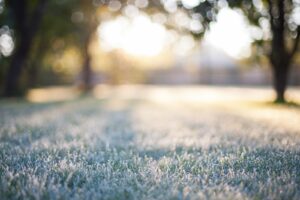
frosted grass

How to Handle Winter Weather

Snow Removal with Heart

When we talk about heart, we mean yours. If you opt to shovel, snow blow, or spread deicer, there are a few things you should be aware of. First, shoveling snow can either be great exercise or trigger a heart attack. Nashville ERs staff up when it snows because they know they will have a rush of coronary emergencies to deal with.

If you don’t regularly exercise, now is not the time to start. Make arrangements for a snow removal service to tend to the chore. Cold weather drives blood pressure up and cold air rapidly dehydrates the body. Toss in repeatedly lifting shovel loads of snow or pushing a heavy blower and you have the makings of a heart attack.

If you feel pain or “squeezing” in your chest, pain radiating down your left arm, jaw pain, shortness of breath, or you break out in a cold sweat, quit, go inside, and call 911.

Preparation

The best way to defeat ice is to prepare paved surfaces before the ice actually arrives. Keep an eye on the weather report and when snow or ice is in the forecast, prep your surfaces. If you want to go totally “green,” spread wood chips, straw, or gravel to encourage traction. After the ice arrives, you can spread sand on top. However, all of these “green” solutions need to be cleaned up after the ice thaws.

Deicers are the most common method of clearing snow and ice, and this is where you can do some real damage. One of the favorite deicers is sodium chloride, AKA rock salt. It’s popular because it’s dirt cheap. Salt is a corrosive, and it is capable of burning a pet’s paws as well as killing any grass or bushes that come in contact from the runoff.

Alternatives to rock salt include potassium chloride, calcium chloride, and magnesium chloride. All three are pet and plant friendly. Unfortunately, all three are more expensive than rock salt. The good news is, after a few short months spring will arrive and we at the Parke Company can get back to tree trimming, tree planting and other landscaping tasks. Until then, we wish you a safe and enjoyable winter season.

Mulching in Winter: The Benefits of Fresh Mulch in Colder Months

Snow falling on evergreen trees

It’s winter in Nashville, and tending to gardens and shrubs is probably the last thing on your mind. “That would be a mistake,” say the experts at the Parke Company, Nashville’s leading landscaping service and tree service company. Dry winter winds and the occasional winter warm spell can do real damage to your dormant and evergreen plants.

While Nashville winters are relatively mild, when the temperature drops below 25 degrees and the last of the hardy annuals turn brown and crumble, it’s time to do winter mulching. Why mulch in winter? Unlike spring mulching, which is done to suppress weeds, retain moisture, and warm the soil, the principal reason to mulch in winter is to insulate the soil and prevent damage from dry winter winds.

Insulating the soil to keep it frozen prevents dormant plants from sprouting during brief warm spells in winter. Changes in air temperature can also cause expansion and contraction of soil. Left unchecked, this soil movement can push a plant’s roots above the surface, where they can be damaged by cold winds. Keeping the ground frozen through mulch insulation minimizes the risk of this occurring.

ground frost

Benefits of Mulching in the Winter

What to Use as Winter Mulch?

Remember last fall when you were raking leaves and doing a major leaf pick up? If you stored those leaves in a leaf bag, now is the time to break them out to be used as winter mulch. You can use any loose insulating material, keeping in mind that you will need to remove it in the spring.

Here are a few ideas for mulch material:

  •        Pine needles
  •        Straw
  •        Shredded leaves
  •        Shredded bark
  •        If the first freeze comes after Christmas, you can use boughs from your Christmas tree – great material because they are easy to remove in the spring.
  •        Snow is actually an excellent insulator, but you can’t count on that in Nashville.

What and How to Mulch in the Winter

We’ve already discussed insulating your flower garden, so let’s talk about other areas to protect.

If you have a fallow vegetable garden and you didn’t plant a cover crop, you can use a layer of leaves. If your vegetable garden is fenced, you can use it to “store” all of your extra leaves. In the spring you’ll have a ready supply of mulch material.

Evergreens and semi-evergreens, like rhododendrons, can become dried out by winter winds. You can protect them by covering the plants/shrubs in burlap. Make sure the burlap is not resting on the shrub or it will freeze to the bush. Stuffing leaves between the burlap and the bush will prevent that.

Another option is to spray the shrub with an  anti-desiccant, like Wilt-Pruf. As an aside, an anti-desiccant will prolong the life of your Christmas tree and also makes a good covering for carved pumpkins.

When to Remove Winter Mulch

The short answer is after the thaw, but that can be tricky. Easter snowstorms are not totally unknown in Nashville. Basically, when the smell of mud is in the air, it’s safe to remove the mulch.

If you have questions or need assistance with winter mulching, please don’t hesitate to call us at the Parke Company!

Firepit Placement and Use to Avoid Damaging Trees

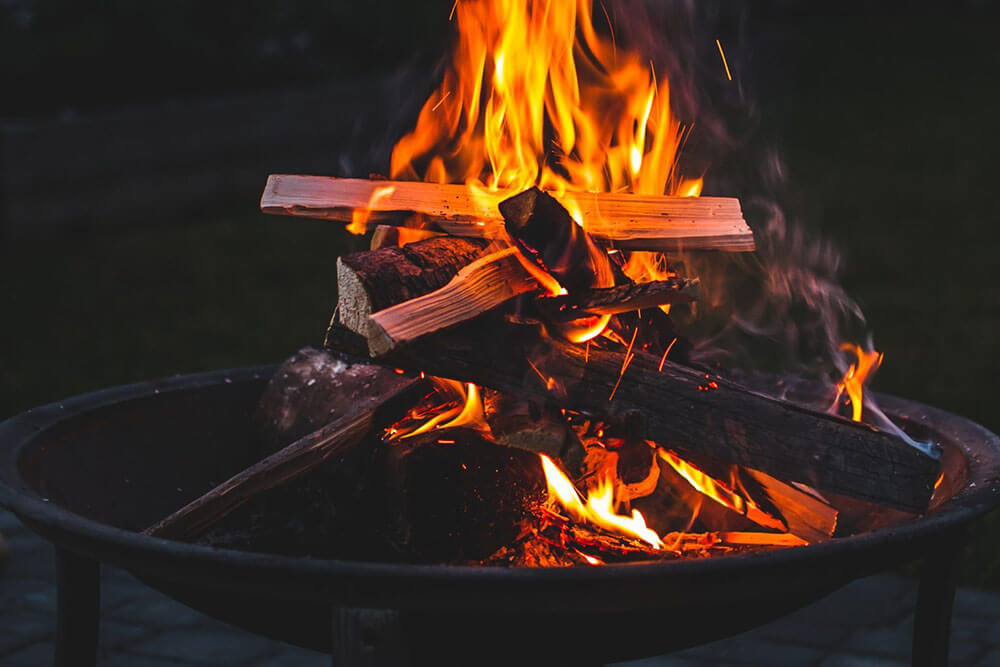
Firepit with logs burning

Are you considering adding a firepit to your lawn? Firepits have become increasingly popular in Nashville. They are a great way for a family to share a “campfire” experience without actually having to sleep in a tent out in the woods. They also make great entertainment centers for more sophisticated gatherings.

One of the reasons firepits are enjoying such popularity is the wide range of choices offered by manufacturers. Firepits come in both portable and fixed installations. The price range runs from $200 for a simple steel bowl, wood fueled and portable, to thousands of dollars for a copper bowl, combination gas and wood fuel, permanent installation.

Regardless of the model or type of firepit you select, installation will be easier and safer if you use a professional landscaping service like the Parke Company. Known for our landscaping and tree trimming service, we also have extensive experience in “hardscaping,” or the installation of firepits, water features, gazebos, and more.

How to Properly Install a Firepit

There are obviously aesthetic considerations when choosing a firepit. You want one that is sized appropriately for your lawn. Too big and your firepit will look like a pagan sacrifice altar. Too small and it will look like a misplaced Weber grill. If you are installing a permanent pit, it’s best if it is constructed from the same materials as your house, if possible.

But there are other, more serious concerns to address, including safe operation of the firepit. In fact, if you live in Nashville there is a regulation that says:

  •        Firepits must be constructed of steel, concrete, clay, or other noncombustible materials;
  •        They must be kept at least 15’ from the dwelling;
  •        They must burn wood or other solid fuels;
  •        The firepit must be attended by a responsible person equipped with a means to immediately extinguish the fire.

If you live outside of Nashville, call your local fire department to see if there are any restrictions.

More Safety Tips for Firepits

Then there are the obvious issues. In Nashville the pit has to be 15’ away from your home, but if that 15’ puts you under a tree or a tree’s overhanging branch, you have to move the pit. Trees represent the biggest threat of fire. The pit will be built on concrete, gravel, brick, or slate, so it won’t overheat and catch fire. However, a spark from a wood log can travel (particularly on a breezy night) and catch a tree on fire.

People like to buy firewood as fuel because you get the crackling, smoke, and aroma of a fireplace fire. Wood fuel comes with its own set of problems, though. Avoid using softwoods like pine and cedar as they have a tendency to “pop” and send embers flying. A hardwood like oak makes the best firewood. Obviously, you’ll need to keep a supply of split wood nearby and feed the fire when needed. Lastly, you need a plan to safely remove and dispose of ashes when the gathering ends.

Seating should be three feet back from the pit, constructed of a non-flammable material, and definitely not include any cushions. A concrete or brick sitting wall is a nice alternative to chairs.

Contact Us!

If you would like advice on planning a firepit, don’t hesitate to call the Parke Company now. We are happy to help!

5 Landscaping Tips for a Nashville Winter

Snow falling on a walking bridge

Taking care of your landscaping may be the last thing on your mind during our Nashville winters, but there are preventive and maintenance steps that you should be aware of. The Parke Company, Nashville’s premiere landscaping service and tree service, has five easy tips to get your spring lawn off to a great start.

This winter has been a doozy so far, with temperatures in January fluctuating from 21 degrees to 64 degrees. However, just because there may be frost or snow on the ground does not mean that your landscaping will take care of itself until the real spring thaw.

Landscaping Tips for The Winter

Winter is Not the Time to Ignore Your Landscaping

With that in mind, we would like to offer up five tips to help your lawn make it through the winter unscathed:

1.Discourage people from walking on the grass when there is frost or snow on the ground. Grass, particularly young grass blades, can break from the weight. While typically the grass will recover in spring, we still recommend traffic be kept to a minimum. Make sure your walkways are cleared of snow to discourage people from taking a shortcut across the lawn.

2. Protect plants from cold, dry winter winds. Frost and dry winds can damage trees, cracking bark and limbs. Needles on evergreen shrubs can be severely damaged and turn an ugly brown. Of special concern are plants with roots near or exposed to the surface. Cover the base of the plant with mulch to provide protection from the wind.

3. Winter is actually a great time to add to your landscape. The deciduous transplant season begins right after the first hard freeze and continues until the first leaves appear in spring. Transplanting after the plant has gone dormant for the winter provides more time for it to acclimate to its new bed because it’s not pushing new growth.

4. Do you have crepe myrtles, liriope (monkey grass), or boxwoods? Winter is a good time for pruning these. In fact, you can only prune them while they are dormant. Now is also a good time to put down pre-emergent herbicide to hold down the weeds. In Nashville, we unfortunately have a variety of weeds that thrive during the winter.

5. Spend some time doing what we do for our clients during the winter season planning. When the warmer weather of spring hits and you feel like anything is possible now that you have survived winter – in other words, you’re on an emotional high – it is the wrong time to order additions to your landscaping. You’ll be happier if you plan out your spring flower additions, tree services, hardscape additions, and any other landscape issues when you have the down time of winter to work with.With a little luck, Nashville will get a thaw in late March and our landscapes will turn green again. Make sure your lawn and plants wake up from the winter snooze in good condition by caring for them during the cold season.


Need help planning for spring? Feel free to give us a call and we’ll be happy to discuss the latest landscaping trends with you.