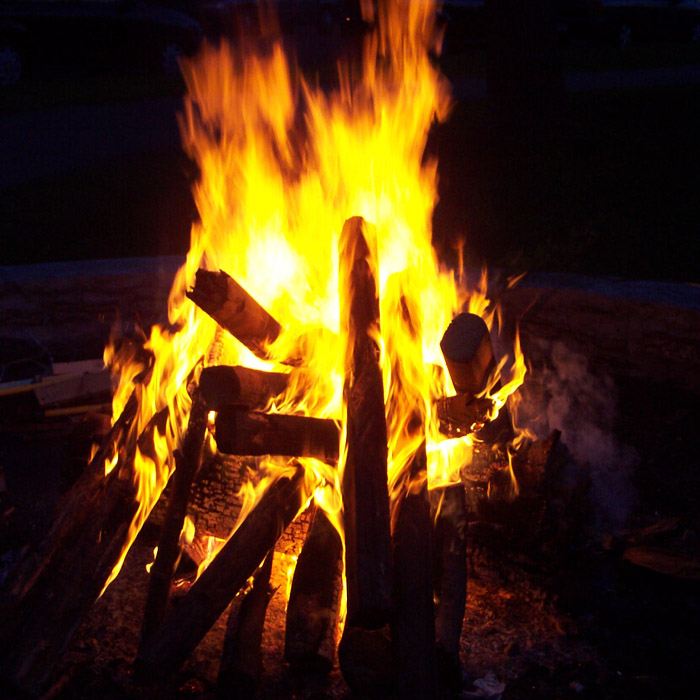
 We’re not sure how, but the summer is coming to an end. The retail stores throughout Nashville are slowly stocking up on plastic pumpkins, Halloween candy and apple cider. Pools will eventually close, nights will cool down and a bonfire will be the new centerpiece of every party. The Parke Company loves a great shindig; however, it’s important to know all the ins and outs of outdoor burning (from bonfires to burning brush) within the state of Tennessee.
But the number one rule before you burn: Contact your local authorities to see what permits and guidelines are necessary before burning. Though the state department has general guidelines to follow when you begin open fires, it’s crucial to double check with local authorities for any additional guidelines or required permits. Lack of preparation or permit can result in a fine or even damage to you and your property. It’s important to be educated on your local rules, whether it’s a recreation bonfire or a brush pile of limbs. Other guidelines include:
- Let your neighbors and local authorities know you plan to burn.
- Supervise the burn closely.
- Supervise any children.
- Bonfires need to be at least 50 feet away from anything that can burn such as trees and overhead limbs. Recreational fires (campfires or fire pits) need to be at least 25 feet away.
- Don’t burn on windy, dry days.
- When burning, have a hose or a bucket of water nearby. Never use gasoline or other flammable substances.
- Extinguish the fire completely.
- Call 911 immediately if the fire gets out of control.
Whether you’re prepping for a party or just getting rid of some old brush, it’s important to do a little research beforehand. It’s OK not to know where to begin. If the Parke Company doesn’t know your local regulations, they will do their best to direct you to someone who does. Though local regulations still apply, contained firepits from your local home improvement store are great alternatives for open fires. The Parke Company services Middle Tennessee, including Nashville, Cool Springs, Franklin and Madison.
For additional information on Nashville Metro’s guideline’s click here. You can also contact the Nashville Fire Marshal at (615) 862-5421 or the Codes Department at (615) 862-6500 for additional information. Be safe out there, everyone!
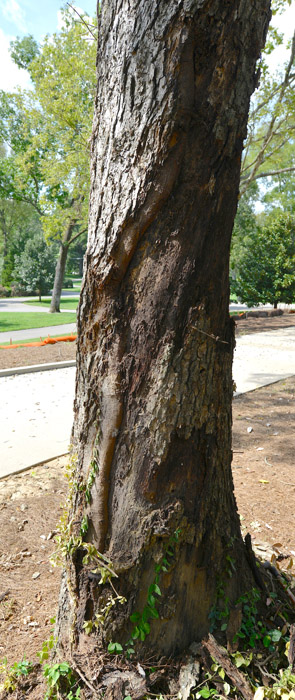 April showers bring May flowers, right? Well, unfortunately they can also bring lightning damage, particularly on your trees. Nashvillians are patiently waiting while the multiple storms pass through the Middle Tennessee area, but it’s important to understand the signs of damaged trees and limbs as they come barrelling through. Trees are incredibly susceptible to lightning and should be monitored regularly by the Parke Company’s certified arborists.
 Operating an irrigation system for your property is an involved task. It’s important to know all of your options in order to maintain the quality of your lawn while respecting the limitations of your budget. Sometimes, an entire renovation of the existing irrigation system is necessary. However, a lot of times it’s appropriate to just provide the system with irrigation additions, which can increase the lifespan. Here are some add-ons to consider:
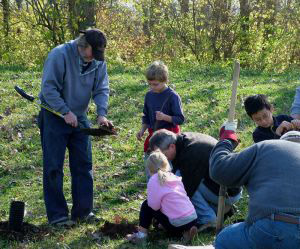 Tennessee becomes a bit more beautiful when we plant a new tree. Planting a tree does not have to be saved for Arbor Day or Earth Day either. For many Nashvillians, it’s a great outdoor activity for the family or even organization, especially during the autumn season. Not only can you learn a lot about the basics of planting and treecare, but you’re also learning to appreciate nature. Here are a few simple things to consider if you’re planning to plant your own tree.
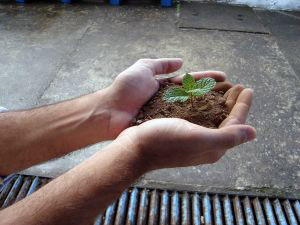 The Parke Company understands the importance of planting trees. (Hey, that’s why they’re in business!) But it can also be a great activity for family or friends if you know how to plant it right. However, if you’re ever in doubt, always feel free to call the Parke Company for professional tree service at (615) 405-6548.
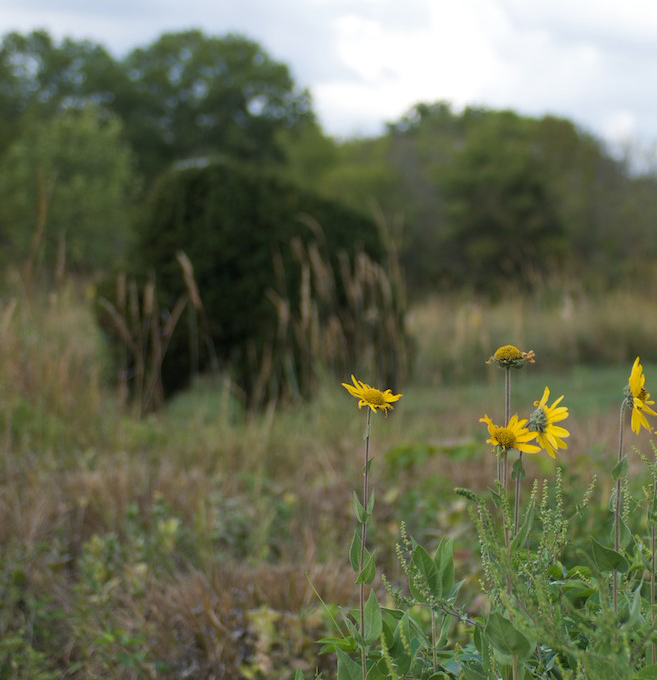 As part of the Tennessee Bicentennial Project in 1994, The City of Forest Hills established Bison Meadow. Bison Meadow, a mirror of the prairies that once prospered in the state, is filled with wildflowers, trees and Indian grass. Staying true to its history, the 2.5-acre of land is on part of the state’s Natchez Trace and embodies the wild ecosystem that was once there. (Thanks to landscape architect Tara Armistead.) As part of Natchez Trace, bison, elk and other large mammals traveled through this prairie to get to the large salt lick along the Cumberland River.