Spring Start Up of Irrigation Systems

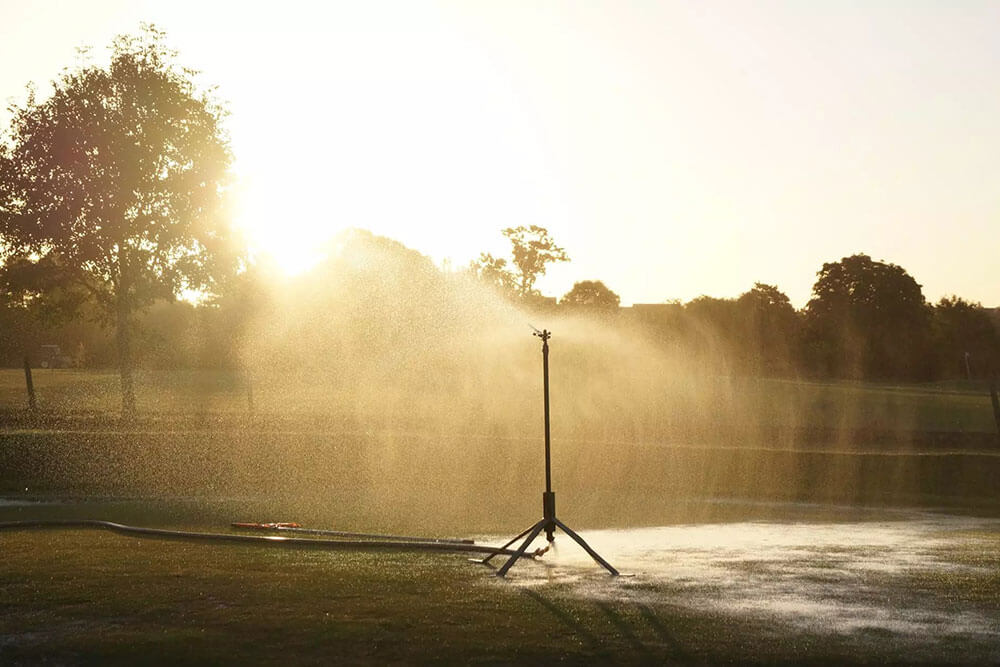
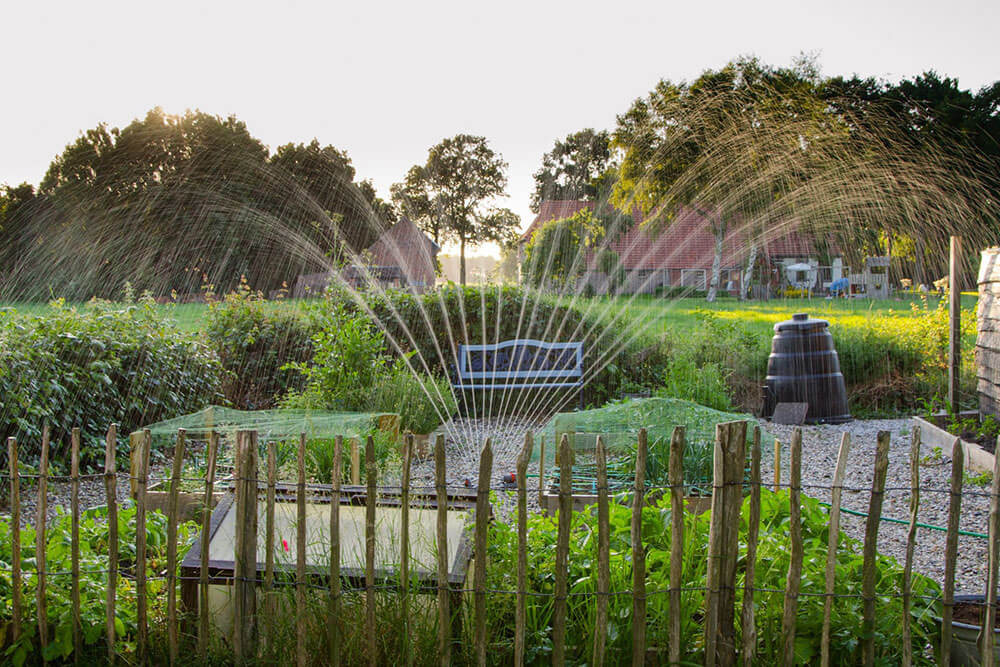
Irrigation sprinkler on a large lawn

The weather is changing in Nashville, and soon homeowners will want their winterized irrigation systems watering lawns, trees, shrubs, and flower beds again. To do that, you have to charge the system with water, and if that’s not done correctly, you could end up with a new “water feature” in your landscape powered by a burst irrigation line.

Nashville’s leading landscaping service and tree service, the Parke Company, provides comprehensive irrigation system services as well. Our advice on re-energizing an irrigation system is to have a trained technician do the job. You’ll save time, avoid serious damage to your irrigation investment, and eliminate a bucket full of frustration that often accompanies the inexperienced who tackle one-off projects.

At the Parke Company we design, install, service, winterize and re-energize irrigation systems in spring. While different manufacturers have different procedures and automatic systems are obviously different from manual watering systems, the steps listed below will give you a general idea of what is involved.

How to Start Up an Irrigation System in Spring

When done right, and if the system wasn’t damaged over the winter, recharging your system should take less than an hour.

  • Spare parts. You hope everything survived the winter, but in case something didn’t, you want to have a replacement part ready to go. Before the recharging process begins, be sure to have extra fittings, risers, and sprinkler heads. Extra lengths of PVC plus primer and cement are also handy items to have available.
  • Test the ground. Don’t become overenthusiastic on the first warm day of spring. Before you attempt to recharge the irrigation system, take a spade and probe at least ten inches down in the ground to ensure there is no frost. Putting water in the lines when the ground is still frozen is a sure-fire way to burst a pipe.
  • Avoiding the “Air Hammer.” The biggest risk to the system is over pressurization. There’s air in the lines and if precautions aren’t taken, the incoming water will push that air until the system can’t contain it. If you hear a “hammering” sound, you are risking blowing a sprinkler head off the line. If your system has air pressure relief valves, open them before charging the line. If you don’t have the relief valves, remove the sprinkler head at the highest point in a zone. Then fill the lines by zone slowly. When the water comes out without bubbles, close the relief valves or replace the sprinkler head. Repeat the process for each zone.
  • Test the system. Once you have recharged the system, run it for two minutes and make adjustments in spray direction if needed. Make sure there are no leaks and that sprinkler heads are level with the ground. If everything is working, open the main feed valve all the way. You’re ready to go. Reset your automatic timer if necessary.

Get an Expert Opinion

Why not take care of this important spring landscaping chore by giving us a call and having us do it for you? We are best known for our tree trimming and tree care services, but we also have clients all across the Nashville area who count on us to service their irrigation systems. Check us out and call today!

How to End Standing Water in Your Nashville Lawn

Leaves sitting on resting water

Did you know that Nashville gets over 47 inches of rain each year? If you have an area in your lawn that always seems to attract standing water, you’re probably well aware that Nashville gets its fair share of precipitation. We are also pretty sure that you are not looking forward to May, Nashville’s rainiest month.

Standing water is more than just an inconvenience, particularly if it is gathering along or near your foundation. There is a solution for standing water, it’s just not what most people think it is.

The water is standing because the ground is a low spot, right? So, to correct that, all you need to do is add topsoil and build the ground up. That’s a popular belief, but unfortunately it doesn’t solve the problem. The topsoil eventually will be washed away, and the standing water will return.

Short of grading your entire lawn, the water that lands on the lawn is still going to drain to what is your “low spot.” What you need is a way to move that water to another location. What you need is a French ditch.

How to Control Weeds in Your Lawn

Ditch Digging Your Way to a Dry Landscape

At the Parke Company, Nashville’s leading landscaping service and tree service, we are no strangers to lawns with standing water. Water seeks the lowest level and if you put something in the way of that natural flow, like the foundation of a house, it will backup, saturate the soil, and become standing water. The solution is to capture that water and move it someplace else. And that’s just what a French ditch can do.

The French ditch has been in use since the mid-1850s, usually as a farm drainage system. While the materials have been upgraded since then, the concept remains the same. Essentially, you dig a ditch through the standing water area and to an area that can either absorb or disburse the moisture. The ditch uses a perforated pipe that allows water to percolate up into it and carries it away. Sounds like a simple lawn maintenance issue, right?

Well, if you’re planning on doing it yourself, here’s a quick list of equipment and materials that you will need:

  • Flat edge spade or rent a Ditch Witch
  • A pick
  • Perforated pipe and connectors (if required)
  • Dry well (if required)
  • Washed gravel (lots and lots of washed gravel)
  • Wheelbarrow
  • Enough garden fabric to cover the length of the pipe

Installing a French Ditch

Putting the ditch in takes a lot of physically challenging work. But before you break the first sweat, there are steps you want to take:

  • First, call your local utilities and find the location of any buried lines on your property. If you have an irrigation system, you’ll want to determine if the line or control cable runs through your projected ditch.
  • Stake out your ditch.
  • Start digging. The depth and width of the trench will depend on the size of the pipe you use. The ditch should be graded to lose 6 inches over 100 feet.
  • If you are going to use a dry well as a collection point, dig a hole for it at the end of your ditch.
  • Start pouring a gravel base into the ditch. Dump the gravel into the ditch and use the spade to spread it.
  • Lay the pipe and snap the end into the dry well (if applicable).
  • Cover the pipe with gravel and then cover with garden fabric to keep dirt from entering the perforated pipe.
  • Cover with dirt. If you were careful about saving the sod when you started digging, add the sod and tamp down.
  • Wait for a good rain to see results.

Contact The Parke Company

Of course, if you want to skip this exercise, give The Parke Company a call. Our lawn services are not limited to lawn mowing and tree trimming. We can solve your “standing water” problem fast and professionally. And if you take into consideration your time, material, and equipment costs, Deep Heat rub and aspirin expense, we can probably install your French ditch for less than you can. Call us today!

Springtime Weed Control for Nashville Lawns

Weeds sprouting in a lawn

Many people believe that weeds, like roaches, will be around when all other living things have ceased to exist. They are the bane of Nashville lawns. There is no permanent fix short of paving over your grass with asphalt. You can’t rid weeds from your life, but you can keep them in check if you exercise a solid weed control plan.

At The Parke Company, Nashville’s leading lawn service and landscaping service, we know the importance of a timely weed control program. Timing truly is everything when it comes to preventing weeds from taking over your grass. There are a number of herbicides available, the trick is knowing what types of weed they are designed to control, and when and how to use them.

If weed control was just about laying down some chemicals, the chore wouldn’t be all that bad. But there’s more to it than that. Let’s walk through how to do springtime weed control.

How to Control Weeds in Your Lawn

Lawn Audit

Grab a couple of leaf bags, gloves, and a leaf rake and head out to “audit” the condition of your lawn. Pick a time of day when the grass is completely dry so you aren’t crushing damp blades with your shoes. What we’re looking for are signs of weak soil. Weeds thrive where the soil doesn’t easily support grass.

Bald spots, winter weeds, brown spots, or thinned out spots are all signs that the soil is probably not up to par. You can get DIY soil testing kits at any garden supply store. Winter weather can have a significant effect on pH levels. If you test your soil and it’s below 6, a thin layer of lime can be added to bring it up.

While you are on this walkabout, pick up debris and trash that has accumulated over the winter. Use the rake to thatch matted patches of grass. Allowing sunlight and air to reach the soil is helpful in maintaining soil nutrients. You may run across some brown slimy stuff. This is snow mold and while it looks ugly, it won’t kill grass unless the lawn is covered in snow for 100 days or more and that’s not going to happen in Nashville.

So, with a cleaned-up lawn and full understanding of soil health from your soil test, it’s time to tackle the weeds.

Pre-Emergent Weed Control

The idea here is to prevent weed seed from taking root. Pre-emergent weed killers do a great job if they are applied at the right time. Ideally, the temperature should be between 55 – 60 degrees, which means late March normally, but the weather has been dodgy, so it could be later. In Nashville, watch for the forsythia to bloom. When that happens, you have about two weeks before weeds germinate.

The downside of pre-emergent herbicides is that they can’t discriminate between weed seed and grass seed. It does a good job on crabgrass and other grass type weeds, but you want to wait at least eight weeks before you use it on an area that you have laid down new grass seed.

Let a Pro Do It

If your schedule is hectic, or if raking, cleaning, and putting down weed killer is something you just don’t want to do, give us a call. Parke started his company in high school doing just this kind of work. Thirty years later, The Parke Company is a trusted Nashville landscaping service known for its certified arborists, excellent tree trimming, and lawn maintenance, including weed control. Call us today and get started on getting your lawn off to a great spring start.

Landscaping to Lower Your Energy and Water Bills

Freshly cut and landscaped grass

We’ve all enjoyed the cooling shade of a tree on a hot, humid Nashville summer day. The relief from the heat is almost instantaneous. Trees are a great natural source of “air conditioning” that can protect people from the sun’s direct rays, and if planted correctly, they can do the same thing for your home.

A cooler home means less “man-made” air conditioning required, which translates into lower energy bills. Who doesn’t like lower energy bills?

Trees providing cooling shade isn’t a new idea, but using them strategically to cool a home usually isn’t considered by Nashville homeowners unless they are working with a leading landscaping service like The Parke Company. Staffed with certified arborists, and with nearly 30 years’ experience in tree trimming, tree transplanting, and other tree services, the Parke Company has a solid understanding of how trees can be used to “direct” weather to or away from your house.

It’s an interesting idea, but you may be thinking that trees take forever to grow and you want help now. Well, trees are not an instant fix, but you can see heat relief in less than a year and it just gets better every day after that.

Real Dollar Benefits of a Well-Designed Landscape

It is generally accepted that a strategically planned landscape will pay for itself in reduced energy and water costs in eight years or less. That obviously is beneficial for the homeowner, it also drives up value of the home, and of course, it’s environmentally responsible.

Here are a few ways that landscaping helps in reducing energy and water costs:

  • A smart landscape uses both deciduous and evergreen trees. Deciduous trees provide abundant shade in the summer but then allow the winter sun to warm the house in the colder months. Evergreens also provide shade. They make great windbreaks in the winter, blocking bitter cold winds from reaching the home if properly positioned.
  • A new 6’ to 8’ deciduous tree will cast shade on your ground level windows inside a year. Depending on the species (and how many stories your home is), it will shade the roof in 5 to 10 years.
  • Evergreen windbreaks will reduce the wind chill near your house, reducing the amount of heat you need to remain comfortable. Windbreaks also create “dead air space” that insulates your home year round.
  • Succulent ground cover will reduce the air temperature before it reaches your home. The same holds true for shrubs and bushes.
  • Mulching trees and gardens not only protects the plants’ roots, but reduces evaporation. Less water is needed to sustain these plants.
  • Smart lawn maintenance, like raising the lawn mower blade during summer and only irrigating lawns in the cooler morning hours, can greatly conserve water.


Creating a strategic landscape must take in a multitude of considerations. Terrain, existing stock, prevailing winds, house design, availability of stock, and other issues all have to be examined to come up with a plan that will yield the best results.

If you would like to benefit from a well-designed landscape and the beauty of an amazing green space, give The Parke Company a call today and we will be happy to help.

Springtime Seasonal Landscaping Maintenance in Nashville

Nashville patio in spring

Spring has arrived in Middle Tennessee, and people are once again spending more time outside their homes enjoying the great outdoors – even if that “outdoors” is just out back on a patio or deck. Spring is a time for new beginnings, and homeowners in Nashville, Brentwood, Cool Springs, and other communities who have invested in beautiful landscapes need to take a breath and remember they have some springtime lawn issues to deal with to protect those investments.

The Parke Company, a leading landscaping service in Nashville, firmly believes that proper lawn maintenance not only keeps the lawn and shrubs healthy, but can add to the value of the property as well. Investing in landscaping yields many benefits, but it does take some work and care.

So, let’s get started. Here are two simple spring lawn maintenance tasks to get a Nashville landscape off to a great start.

Best Spring Landscaping Maintenance

Mulching

Nashville can get hot quickly. Protecting plant beds with a couple of inches of mulch will help retain moisture, keep the soil cool, inhibit the growth of weeds, and give your plants a healthy head start. At the Parke Company, we offer a variety of traditional mulches along with two alternatives that may prove more beneficial.
Pine straw is an excellent renewable, organic, lightweight mulch that holds better than traditional mulch on slopes. If you have a planting bed that is built on an incline, pine straw may be your best solution. Shredded pine tree mulch is also an effective mulch, with the added benefit of a pleasant pine aroma.

If your lawn has debris and litter left over from the winter weather, we have an option you may be interested in. We offer a chopping and grinding service (using a Vermeer shredder) that will take your “waste” wood, branches, stumps, brush, and other organic debris and shred it into mulch.

Inspecting the Health of Plants and Shrubs

How well have your plants, shrubs, and trees survived the winter? A quick inspection can reveal common problems, hopefully early enough to get plant-saving intervention. Look for new growth on all the plants. New growth is typically an indicator of a healthy plant or tree. If you spot dead patches in shrubs or tree limbs that are bare, you should have a professional look at them.

If black spots appear on leaves, it could be an indicator of azalea lace bugs. If these spots appear on new growth, then you need to explore treatment options to prevent spread. Boxwoods are a favorite in the Nashville area, and they are also a favorite for boxwood leaf miners. Flip the leaves over and use a handheld magnifier to look for their eggs.

Finding these signs early is essential. Too many times, the conditions are allowed to progress to the point where there are no viable treatments and replacement is the only option.

Of course, if you would like a professional to make these evaluations, feel free to call us. We can have a qualified technician or arborist do a thorough inspection and create a treatment plan specific to your plants’ condition. You can count on the Parke Company for the best in tree service, lawn maintenance, and landscaping. Call today.