
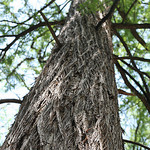
 We see it all too often: Trees are added to landscape and then forgotten about. Sure, they get water with the rest of the yard. But when was the last time you maintained your trees from the top down? Here are 4 ways to know when you’re trees need to be trimmed:
- Branches are drooping onto your roof. That’s never good. Trimming the branches from your roof will save you in roof repairs, prevent leaks and keep pests from having easy access to your home by traveling those branches.
- Branches are close to power lines. This becomes a safety issue, and one that should be taken care of quickly. Before leaves and branches actually touch the power lines, trimming is vitally important.
- Other plants, grasses aren’t thriving. If the grass, flowers and others plants in your landscaping aren’t thriving, it may be because they’re not getting adequate sunlight. Perhaps your trees are to blame. Trimming the trees in the form of crown thinning — allowing more natural sunlight to come through — can solve the problem.
- Branches are growing too close to the ground. If you find yourself hitting your head when you mow the yard, the canopy of your trees may need to be raised. This trimming technique removes the lower branches of the tree to provide plenty of headroom and airflow underneath.
If your trees are in needs of service — from raising the canopy to thinning the crown — please contact us. We strive to maintain your trees so that you get many more years of enjoyment from them.
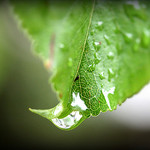 It’s hard a balance to strike sometimes: Watering your trees and landscaping while utilizing resources responsibly. With the summertime heat and drought restrictions in place for watering in many cities across the country, providing your plants with enough of the wet stuff can be a challenge.
 We recently blogged about
  It’s been said that a house isn’t a home without a dog. One might also be able to say that a house isn’t a home without a perfect shade tree in the yard.
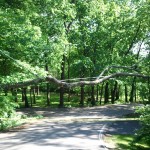 We love our trees. They provide shade, filter the air and create homes for birds and wildlife. They line the path along many of the journeys we take in life, and they even provide scenery in our memories. I can remember the tree-lined drive out to my grandfather’s ranch as if I were just there yesterday — I loved feeding the goats with him once we got there. And I probably haven’t made that drive in more than 20 years.