3 Ways to Take the Hard Work Out of Home Landscaping

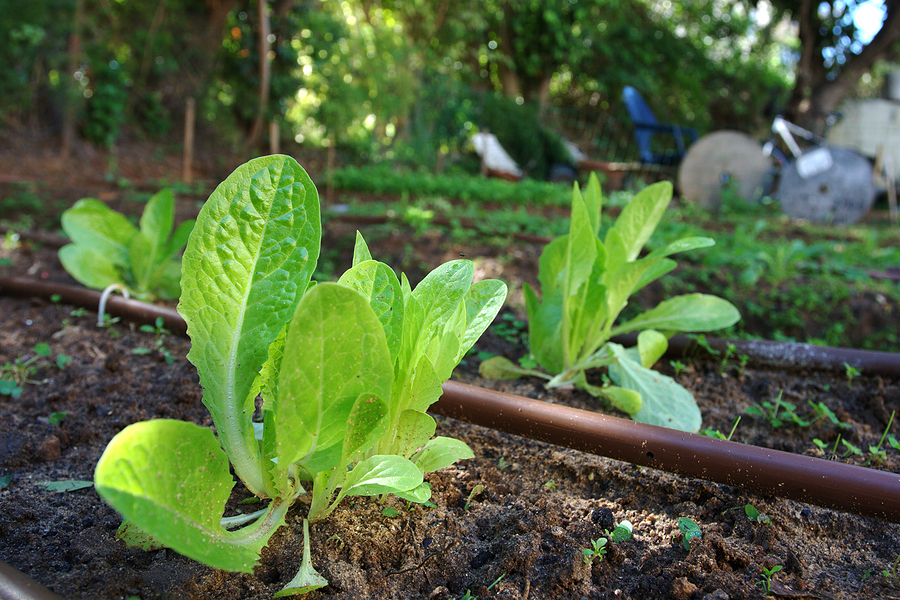
Green plants in a garden

With spring around the corner, it’s time to get serious about your spring and summer gardening plans. If you have never gardened before (or if you have not enjoyed previous attempts), it’s important to learn some methods that can save you a lot of time and energy, while yielding excellent results. Gardening may be a labor of love, but the labor doesn’t have to be grueling. Follow these three tips, courtesy of the Parke Company, and you’ll have much better results come spring (without throwing out your back).

Irrigation – We can’t stress enough how great irrigation can be. With a simple drip hose installed around your thirsty plants, all you have to do every day is turn on your garden hose, and the miracle of modern plumbing will do the rest. Watering with a regular gardening can may not seem like a burden, but it’s hard to make time for it every day. This is especially true when the sun is scorching – the time when your plants need water the most! The Parke Company can help you install a simple drip line that reduces your watering time to seconds, and serves without maintenance for several seasons to come.

Mulch. Mulch is such a normal fixture in American flower beds that we sometimes forget what it is for. Mulching serves a number of purposes. It reduces weeds, by choking them out from light and air. It keeps moisture in the ground from evaporating during the hottest days of the year. It slowly decomposes, allowing new nutrients to flow into the ground. It also protects plants during the winter, like a natural blanket against cold temperatures that could damage roots. You can mulch with woodchips, leaves, pine needles, compost, coffee grounds, or manure (depending on the situation). Pro Tip: at the end of the summer, put down sheets of cardboard over open garden soil, then cover with regular mulch. Over the winter, the cardboard will kill weed seeds, then break down into soil for next spring’s planting!

Fertilize. The Parke Company knows a thing or two about fertilization. It’s the difference between plants that thrive and plants that die. You can fertilize year round. Chemical fertilizers should be used according to manufacturer directions. There are plenty of natural soil additives that can improve your soil likewise. Compost and manure are ideal, though any organic material on the way towards decomposition will work nicely. Depending on the plants you’re growing, additives like bone meal and fish emulsion can get incredible results. It’s hard for soil to be “too fertile”. When in doubt, try to achieve soil that is very dark and fluffy, with worms and other critters living in it. Plants tend to like this kind of growing medium.
The Parke Company wants you to have an amazing bounty when it comes time to harvest time in Nashville, with plenty of beautiful green growth along the way. Even if you’ve had a hard time with gardening projects in the past, these simple techniques should help you find new enjoyment in the hobby.

Everybody let’s get Stones: Incorporating Stones and Rocks into your Garden

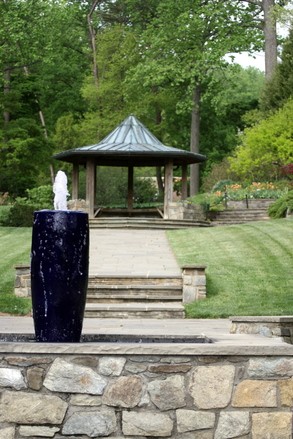
Stone feature in a garden

If you are looking to liven up your garden to the next level this spring, you might want to consider something that, ironically, is not alive: stonework. Although usually not something people consider, unless they have a masonry background, a couple of well-place rocks can do wonders for your backyard garden, either by providing some much needed support or by providing a strong frame for the whole thing. And, when coupled with a nice waterfall, garden stone work is a great way to add a little motion to a traditionally stagnant area.

How to Use Stones and Rocks in a Garden

Around the perimeter

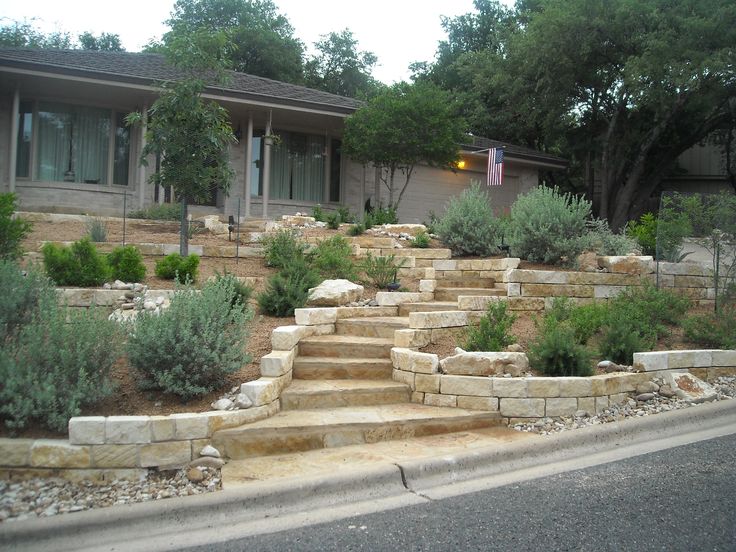
One way to incorporate rocks into your garden, which we at the Parke Company are happy to do,  is by creating a border, either around the whole of the garden itself, or by laying stones along one side to create a border. A nice stone border or even something like a retaining wall is a great way to create a sense of elevation or to portion off an area for something special. Rock borders can also be used to force guests to walk a certain way, or to draw attention to a specific plant or area. Of course the rocks themselves can be a focal point; a nice large boulder of an unusual shape might be just the thing you need to set your garden apart.

Rocks and stones are also a great way to cover up a yard that is sorely in need of water, since they come in a variety of shapes, sizes and colors. Just plant some water-friendly plants, and instead of a boring drought-ridden deathbed, you have yourself a nice, exotic area people will want to spend time in.

Rock for the Ages

Rocks also make a wonderful substitute for mulching. Although we at the Parke Company are happy to help with all your mulching needs, we understand that sometimes you just want something that is going to last for a while. The nice thing about rocks is that they will last virtually forever. You might want to wash them after a while though, but that’s about the extent of the work you’ll need to put into it.

Using rocks for their color options is also a good idea. If your garden is in a shady area, using white or marble for the bedding is a clever way to add brightness. If you’re looking for something on the minimalist side, a bed of black lava rocks is a surefire way of getting your message across.

It is understandable that some people might be a little hesitant to incorporate something as inherently lifeless as rocks into a garden, which is traditionally an area of life and vitality, but we at the Parke Company are experts when it comes to stonework and masonry, and would be happy to work with you to achieve your goals. Spring is here and summer is just around the corner, so now is the time to give us a call and let’s get started!

Common Landscaping Mistakes to Avoid

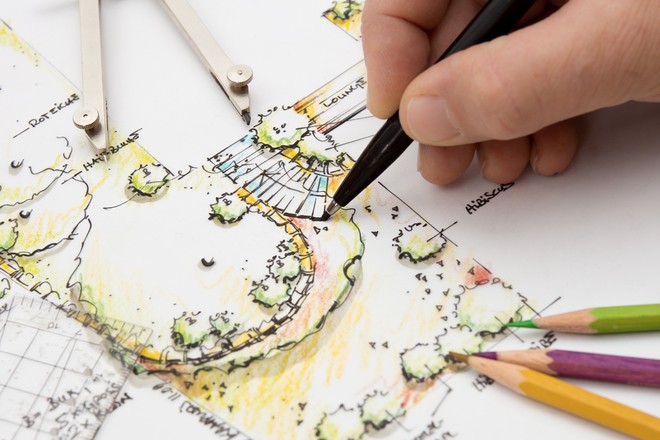
Person drawing a blueprint of a landscape

A nice, well manicured lawn is one of the joys of owning a home. Even something as simple as a mowed lawn and some trimmed shrubberies can make a world of difference when it comes to having something nice to look out your window at. Of course going above and beyond the most basic landscaping design will make your home and lawn stand out even more from the pack, but like all things in life, there is a chance that things can go wrong, despite your best intentions. While we at the Parke Company are more than happy to help you design the landscape of your dreams, we understand that there are those of you who just want to roll up your sleeves and get to work yourself.

With that in mind, here are several things to avoid when tackling your next landscaping project.

All about the Angles

One of the most common mistakes when it comes to landscaping happens when the designer forgets that what he or she is doing is going to impact the world around them, and vice versa. You might have an amazing design planned, but if you forget something simple, such as the fact that most lawns are not straight and flat, you’re going to have a bad time. First-timers tend to think of the lawn as being a square or rectangle and on a grid, when the world is much more soft, with curves and dips and hills. When taken into account by a professional, things tend to work out better, which is part of the reason we at the Parke Company are well known for our landscaping designs. Additionally, you need to take into account what the design looks like from all of the angles. Something that works when viewed from the street might look terrible from the window. It doesn’t have to be an either/or situation; things can look nice from a lot of different angles. One way to fix this is to go back inside and make sure everything looks right before continuing, using the frame of the window as a guide.

Considering the people

Of course this takes the idea that you will be doing most of your work in the front yard, when people tend to do the majority of their work in the backyard. There are some benefits to doing work in the front, since that is the area most people will see first. You also need to be considerate of your neighbors, since what your place looks like also indirectly affects their home’s value as well. Avoid over cluttering the yard with a lot of ornaments; a little goes a long way. Take into account the growth of the plants; if you know you won’t be able to maintain the landscape, then maybe having a large bush near a neighbor’s property might not be the best idea, unless you plan on contacting the Parke Company for our amazing maintenance services.
So when you start to improve your landscape, just remember to keep these things in mind, and if that sounds like too daunting a task, the Parke Company is always here to help, because you deserve the best when it comes to the way your lawn looks.

Getting your Flowers to Grow for the First Time

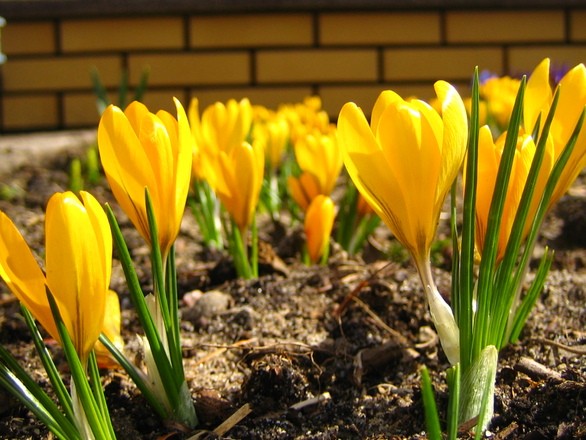
Yellow tulips growing in a Nashville lawn

It’s no secret that Nashville is a blooming city, so to speak. There is a really good chance that some of the people that flock to our city and area every day are going to be first time homeowners. That is quite a combination – people moving to a place they might be unfamiliar with and buying homes – so we at the Parke Company decided to put together a guide for what kinds of flowers might be the best for people planting for the first time. Of course we are always happy to help put together a design for your landscape, but sometimes you just want to do something on your own.

How to Grow Flowers

Knowing the difference

The first thing you need to keep in mind is the difference between perennials and annuals. Perennials tend to bloom for shorter periods of times, typically between one to three weeks, but the flipside of that is that these plants do not need to be re-planted year after year. This makes them ideal for new florists, because you only need to be concerned with planting it once, and it’s hardy nature makes it pretty difficult to kill. Annuals, on the other hand, have longer blooming periods, lasting the length of the growing season before dying. Annuals are popular because of their dazzling and brilliant colors, making them a must in any garden. At this point in the year, there is not really a concern with a late frost killing the poor annuals, which is always frustrating.

Although there are literally thousands of different types of flowers to choose from, we at the Parke Company recommend something like the Black Eyed Susan or the Siberian Iris for perennials, since they are both pretty hardy flowers that add a lot of color. As far as annuals go, try adding something like the Sweet Potato Vine, which in addition to adding a unique visual flair to any garden, also is pretty resistant to frosts, making it a good choice for first-timers.

Taking Care of Business

After you’ve selected which flowers you want to plant, looking up the ideal conditions for each plant is next. Some flowers require only a little sun and moisture to flourish, while others need to have a couple hours of full, direct sunlight to survive. We at the Parke Company are happy to work with you to make sure the flowers you plant are going to excel in your garden. When it comes to watering them, most young plants need a lot of water at first, so start with a daily sprinkle, before lessening as the flowers begin to grow and bloom. Another great way of making the most of your flowers is by adding a little bit of mulch, which will help keep the moisture locked in.

Planting a flower garden can be a little daunting, especially if it’s your first time. If it doesn’t work at first, don’t fret, just give the Parke Company a call and we will be happy to help figure out what went wrong, or if you didn’t like your DIY gardening experiences, then we will be happy to send in our trained professionals to take care of every step, from design to planting to maintenance.

Mulching 101: Let’s Get Growing

Close up of red mulch

At some point in your life, you’ve probably wondered what mulch’s deal is. It seems to be everywhere, and yes, it does tend to make gardens and lawns where it is used look nicer with its contrasting colors, but there has to be another reason for it, right? Perhaps you’ve guessed that it helps plants grow, or maybe it really is only used for its aesthetic appeal. As you may have guessed, mulch is very important, especially when it comes to trees and shrubs, although all plants benefit from it due to its many functions. If you’ve never added mulch to your garden or lawn, then let the professionals at the Parke Company guide you into a healthier plant life.

What to Know About Mulching

Mulch: What is it?

At its most base form, mulch refers to any number of organic or inorganic materials spread around plants, primarily trees. It is mostly used because of the enormous impact it has on the soil; plants that have mulch tend to grow much faster and better than plants left to fend for themselves. The reason is that mulch locks in moisture by creating a barrier between the sun’s rays and the surface of the soil, so water cannot evaporate as quickly as it normally would. Mulch also helps to improve the fertility of the soil. Additionally, it defends the plants by cutting down on the amount of weeds that are capable of growing in the vicinity, so they are not there to choke the young plants out. One way to get the most out of the mulching process is to add some manure in with the organic materials like wood chips. Nature’s little helpers – worms – will do the rest, working the nutrients into the soil naturally.

Another positive benefit from mulching is the way it can be used to get rid of unwanted ground-level plants. By spreading a layer of the powerful material on the offending plants, an environmentally-friendly solution to the problem is found without resorting to the harmful use of chemicals such as pesticides, or the backbreaking work that it would take to pluck the plants manually.

Putting it into Practice

Now that you know a little about why you should use mulch, the next step is implementing it. As previously mentioned, there are many types of mulch that can be used, including the traditional wood chips, compost, old leaves, and other, more easily found and cheaper options, like rubber bits, cardboard, and newspaper, although the latter is best used as a base. Next, a circle around the tree somewhere between 3½ to 4½  inches deep is needed near the base of the plant. It is very important that you do not choke the base of the plant with the mulch, since doing so can lead to pest infestations and disease growth opportunities.

There are so many positives to including mulch that it would be silly not to, from the way it locks in moisture to its part in protecting the plants it surrounds. That being said, there can be a lot of difficult work that goes into incorporating mulch in your life, which is why it’s a good idea to let us at the Parke Company handle it.