Parke Company and Cheekwood Unite with Steve Tobin: Southern Roots Exhibit

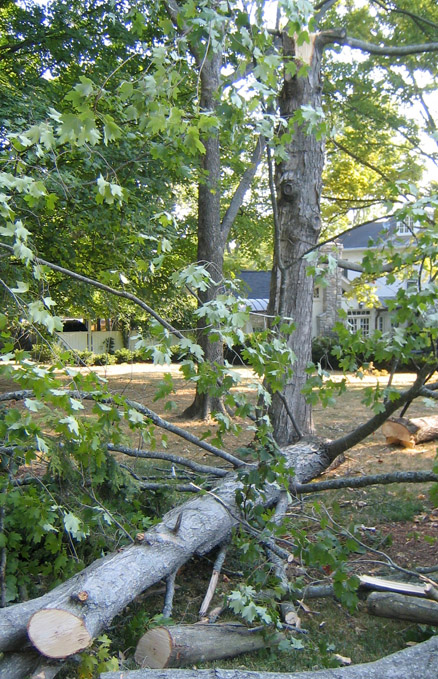
Parke-Company-tree-service-of-nashville-Parke-Company-and-Cheekwood-Unite-with-Steve-Tobin-Southern-Roots-Exhibit-cedarIt may still be cold outside, but the warmer months are rapidly approaching, and that means extra time outside admiring trees and the nature all over Nashville. And one of the best places to visit during the spring is Cheekwood. Rooted in tradition, nature and art, this botanical garden is a Nashville treasure that adults and children can both enjoy. Because of this, it’s no wonder the Parke Company enjoys working with Cheekwood so much. Sponsoring another one of Cheekwood’s exhibits, the Parke Company is excited to see what the new art brings to Nashvillians.

Nature and art colliding, this year’s exhibit features structures inspired by the natural form of trees. Steve Tobin: Southern Roots “will give visitors the opportunity to experience the relationship between art and nature through a new lens,” according to marketing material provided by Cheekwood. The exhibit will also will include one of Tobin’s sculptures in downtown Nashville’s Riverview Gardens at Riverfront Park.

Every year Cheekwood showcases works done by artists that draw inspiration from nature. Last year, Parke also sponsored a similar event with Cheekwood called A Celebration of Trees by Charles Brindley. While last year’s work focused on landscape pieces, this year’s art will be more abstract.

The event will align with National Arbor Day and Nashville Arbor Day, which kicks off the spring. The exhibit itself, however, will begin on February 20th and run through the summer. The outdoor sculptures will be available for viewing until September 4th and will cover different areas in the West Gardens at Cheekwood.

In addition to the much-anticipated outdoor sculpture exhibit, Cheekwood will also feature Tobin’s work inside the museum through May 24th. This series will showcase a never-before-seen gallery using wood from fallen trees in Costa Rica. It’s an arborist’s dream come true!

Steve Tobin is a well known sculpture artist who uses glass, bronze, steel and clay as his primary materials. To kick off the exhibit, the artist himself will host a lecture at Cheekwood to discuss his exhibit as well as nature as his artistic influence. The lecture begins at 2:00 p.m. on February 20th and is free for members or with admission.

The spring time is a great time to come visit Cheekwood and view Tobin’s exciting exhibit. If you’ve never been to the botanical garden, what better time to come out and discover what all the hype is about. Not only can you view the art from this acclaimed artist, but enjoy the nature as well. Find some inspiration in the landscape or trees all throughout the property before tree care and maintenance on your landscape begins. Cheekwood is truly an arborist or nature-lover’s happy place. Whether you pull elements from the art or the gardens themselves, the Parke Company’s arborist and landscape teams can assist you in making your landscape dreams come true!

School has started. Take your science or history classes outside!

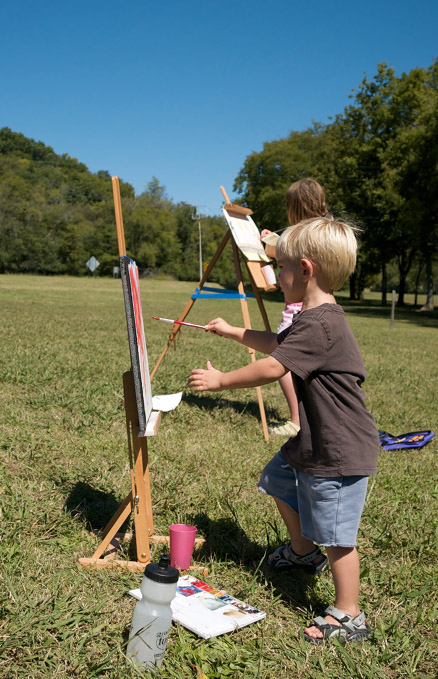
Parke-Company-tree-service-of-nashville-School-has-started-Take-your-science-or-history-classes-outside-painting-plein-airIf you haven’t already noticed, school is back in full swing. Your kids are grabbing their notebooks and pencils and sitting back in the classroom. But it’s still summertime! So how can they learn but spend time outside and enjoy the weather before it starts getting cold? The Parke Company is always encouraging Nashvillians to get out and enjoy the trees and landscape of Middle Tennessee. We have a beautiful state, so it’s important to take advantage of it.

So whether you’re a teacher and want to get the classroom outside or you’re a parent and your children need to expel some energy outside, there are many ways they can learn by using the trees and landscape the Parke Company cares for everyday.

Here are just a few creative ways:

Learn about photosynthesis

It’s almost fall, y’all! Take this opportunity to teach the kids about how photosynthesis works and why the leaves change color in the fall. The days are getting shorter, the leaves will begin to drop to the ground, so what better time than now to learn a little science? Start now while the leaves are at their greenest and follow the branches and their leaves as they begin to turn throughout the upcoming months.

Use plants to identify types of trees

This is another great way to get people outside and looking at the trees around them. Use the leaves as a tool to identify the different kinds of native trees in our area. Examine the branches and the trunk, too. Better yet, have one of Parke’s certified arborists come out and show you different types of trees, how to tell if they’re healthy and what to do if they’re not.

Study Nashville’s historical trees

If you’re not much of a science nut but you love history, you can still utilize trees around the area to learn. Nashville is rich with history and it goes all the way to some of our oldest trees. We have the Witness Tree (among many others) and even some of the old trees in historic parks like Percy Warner. Speak with an arborist about different historic trees around Middle Tennessee and check them out! You never know what history you might learn!

Plein air painting

This activity is great for those who love to be outdoors but also love art and painting! Take a class or bring your supplies out to your backyard and paint some of the Nashville landscape. It’s a great way to bring your artistic talents to the table while enjoying our ecosystem.

There is so much to learn outside. Don’t let a schoolroom stand in the way. Want to learn more about trees and tree care? One the Parke Company’s arborists can help guide you in the right direction. If you need tree care services or any landscape or yard maintenance needs, we can take care of that too. Just give us a call and we’ll be happy to help.

Avoiding Common Landscaping Mistakes

If you are an avid DIY enthusiast, you’ve probably taken a stab at doing a little landscaping in your Nashville lawn. The upside of DIY projects is the satisfaction of learning new skills and using them in a hands-on project. The downside is when you discover your knowledge is an inch deep, but the topic is a foot thick. That’s when the mistakes start showing up.

While many of us grew up pushing a lawn mower and pulling weeds from our parent’s lawns, these experiences don’t really count as in-depth lawn care training. That said, the founder of The Parke Company graduated from his parent’s lawn to cutting grass for neighbors and started his business while still in high school. Thirty years later, he is a certified arborist and has a deep understanding of landscaping services and tree service issues.

Most of us don’t go in that direction.

All of us want our lawns to be attractive and nearly everyone will have a stab at landscaping. However, almost everyone will make mistakes in their efforts to beautify their outdoor space. Some mistakes can be costly, some can be time consuming, and others simply end up disappointing.

How to Avoid the Most Common Lawn Care Mistakes

With more than 30 years in the lawn maintenance business, the pros at The Parke Company have seen just about every type of lawn care and landscaping error possible. Listed below are some of the most common and how to avoid making them yourself.

Scalping the Grass

Everyone wants their lawn to look neat. Neat being defined as having that “just cut” look. Unfortunately, this perception of neat leads many homeowners scalping their lawns. How high or low you mow the grass determines how much moisture will evaporate from your yard, how healthy the grass plant is, how thick (or sparse) the grass grows, and impacts the habitat of both desirable and undesirable insects and pests. The solution is to know what kind of grass you have and what its optimum height is. Professor Google can give you the information with one or two quick searches.

Not Researching New Plants

Young plants and trees are not puppies. You cannot judge their mature size by the size of their paws. If you plant a new shrub or sapling without considering its likely mature size, you are in for a problem. Shrubs planted near the house could block a window in a couple of years. Worse yet, trees planted too near the home could result in roots invading the foundation. Before you plant anything, make certain you understand how big it can get. Consider how that mature size will impact the area immediately around it.

Go Easy on the Lawn Gnomes

Ornaments and hardscapes have a place in a lawn. But too many of these items will detract rather than enhance your lawn. Use ornamentation sparingly and you  will succeed in drawing attention to it.

Forgetting that Hedges are not Self-Trimming

.

Hedges are a great way to gain some privacy from neighboring houses or to section off a part of your lawn. But hedges are not static. They grow. If you are not shearing your hedges on a regular basis they can quickly grow to a height where you will need a step ladder to reach the top. An electric hedge trimmer should be purchased at the same time you buy the hedge shrubs.

Pruning at the Wrong Time

If you have flowering bushes you absolutely need to know when to prune and when to leave them alone. Failing to prune a shrub such as forsythia at the correct time can result in the loss of the very buds that bring you the beautiful blossoms.

Do any of these situations sound familiar? We haven’t even touched on taking care of the soil. Landscaping and lawn maintenance takes on a whole new complexity than when you were a kid because now it’s your lawn and your investment.

Want help? Our fully knowledgeable professionals can take on part or all of your Nashville lawn maintenance tasks. Call us now!

When Is the Best Time to Restart Your Irrigation System in Nashville, TN?

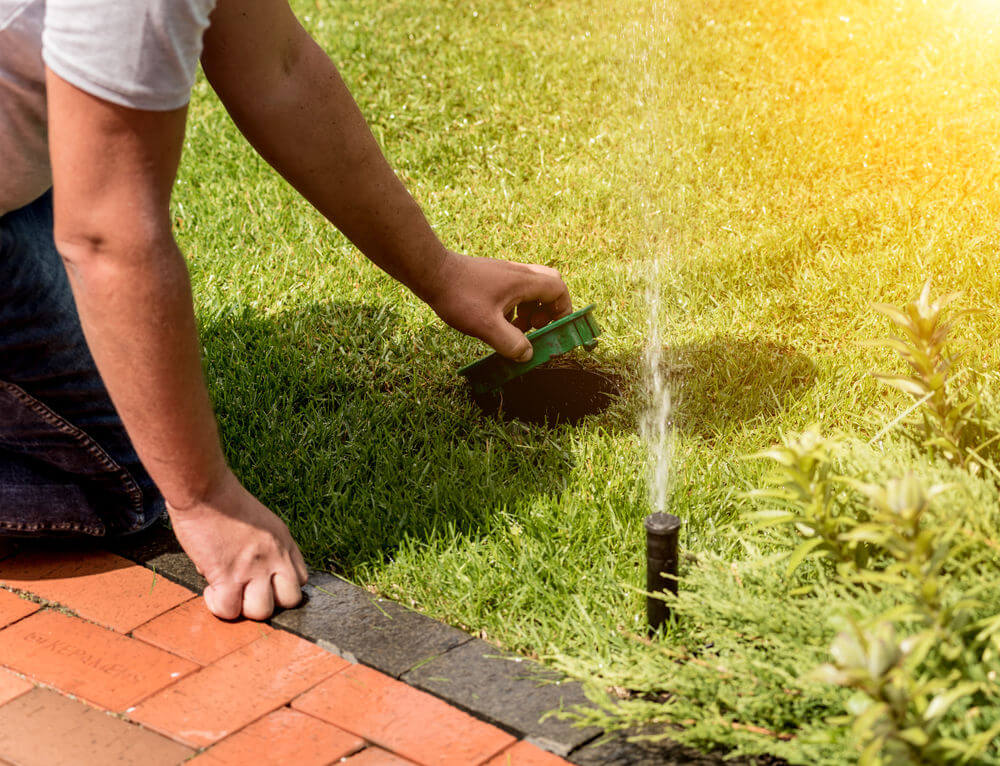
Man fixing an irrigation system.

Nashville is no stranger to weird weather—from high heat to abnormally cold winters, we’ve seen it all lately. With winter slowly fading to spring, you might be wondering when the optimal time to restart your irrigation system for the growing season is.

How to Restart Your Irrigation System

Winter has finally relented, and things are finally warming up. The days are longer, and your green thumb is starting to itch. Whether this is your first or fifteenth year of using an irrigation system, it never hurts to review that yearly springtime irrigation start-up process. Whether you’re starting your irrigation system back up by yourself or are having landscapers like The Parke Company handle things, it helps to know how to restart an irrigation system.

The first step will be outside at your vacuum breaker fitting. Here, you’ll usually see a right-angled pipe with several shut-offs and a copper top. There are generally two test cocks that jut off from the pipe horizontally, and these need to be closed. During the winter, these let air into the system to prevent ice from forming in the lines. During the summer, they should be closed.

On some systems, there are bleeder caps that will go onto these test cocks. Once you close them, ensure these caps are tightly screwed back in place. Once these are closed, you’ll open the two shutoff valves on the vacuum breaker. By turning the handles to run parallel to the pipe, they are now open.

The next step takes us inside or near where the sprinkler system connects to the water, which can sometimes be outside. Turn the valve using the handle or specialized sprinkler valve key until the valve is open. This lets water back into the sprinkler system. Now, turn on your sprinklers at the main control point, observing each to make sure that the sprinkler heads are functional and free of damage. Inspect your lines and valve box for leaks or sputtering. It’s normal to observe the sprinklers sputter and blow air when they first start up, so don’t worry if that happens.

When Is the Best Time to Restart Your Irrigation System?

When should you turn irrigation back on? Erring on the side of caution regarding the last frost of the year is critical to making sure your system restarts properly and is undamaged. Frost above and below ground is a factor, so even if things are warming steadily, ice underground typically takes longer to thaw. It’s easy to check with a small spade or other tool. For Nashville, the very latest that frost occurs is in mid-April, so the best bet is April 15th or a bit later. For instance, with this winter season, things seem to be a bit warmer, and the Farmer’s Almanac puts April 7th as the last possible frost for our area. This isn’t an exact science, however, so keep an eye on weather forecasts.

Landscapers will often begin restarting systems in mid-April, but most yards won’t suffer if it doesn’t happen for a bit after that. Spring is generally fairly wet here, so your irrigation system may not be necessary for the first few warm weeks anyway. So the best time to restart your irrigation system in Nashville is mid-April. With this in mind, you should be well-prepared to get a great start on watering your landscaping every spring.

Maintaining and Upgrading Your Irrigation System

Equally important to starting your irrigation system at the right time is properly maintaining it while it’s operating and in the fall and winter months. From properly winterizing an irrigation system before the first frost in fall to protecting sprinkler heads from damage in the winter, a lot of hard work goes into maintaining a system. An irrigation system that’s well cared for can last for years, but not everyone has the time to do that. Leaving the irrigation work to your landscaper can be a great way to remove the stress of caring for your lawn and plants. For many people, gardening is a great hobby that can be incredibly fulfilling, but maintenance isn’t everyone’s strong suit. When you just want to get to the pruning, planting, and designing, hiring a landscaper can help relieve a lot of pressure.

Irrigation in Nashville is very important during dry summer months, but making sure everything is operating at peak efficiency can be tricky if plumbing and technology aren’t your strong suits. As every bill goes up with inflation, keeping your water bill low while still caring for your plants can only be done with a solid, fully functional irrigation system. Conserving water is a major part of what makes modern irrigation systems so important for our budgets and our environment.

If you’re exploring your landscape maintenance options, you may have stumbled upon The Parke Company. Just like there are many different types of irrigation systems, there are also a variety of different irrigation companies around Nashville. What separates The Parke Company from the rest is our year-round commitment to our customers, and we hope that’s obvious as we help with your specific needs. It’s our goal to provide general advice for handling things like irrigation here on our blog while giving you the information you need for using your particular system as well, whether that’s on the phone or in person. We offer landscape maintenance plans that can include irrigation maintenance, from winterizing to health checks and spring restarts.

If you need more advice on when to start your irrigation system this spring, do not hesitate to give us a call. Don’t let those lingering winter worries keep you from getting the best start this growing season.

Lawn Aeration Explained: Benefits, Cost, and Timing

Lawn aerator going through grass.

Lawn aeration may not be something that you’re familiar with when it comes to maintaining your landscaping, but you absolutely should consider this beneficial practice for your lawn this year. Here’s everything you need to know about lawn aeration, from its many benefits to the cost and the best time of year to have it done.

What to Know About Lawn Aeration

What Is Lawn Aeration?

At its core, lawn aeration is a simple process aimed at bringing air to your lawn. The turf is pierced with small holes during the aeration process. These holes enable the soil to have better airflow, hydration, and nutrition if done properly. Your lawn’s health is determined by how well things are going inches beneath its surface. Healthy grass has deep roots that help secure it and provide proper hydration year-round. As time goes on, soil begins to compact and become denser. When that happens, it’s harder for grass roots to penetrate to the depths that they need, leaving you with a lawn that’s malnourished and unsightly. By perforating the ground with aeration, water and airflow help to encourage deeper root growth while also reducing the density of aerated soil.

Benefits of Lawn Aeration

The benefits of aerating your lawn are many, from the aesthetic to the practical. While greener, thicker, and healthier-looking grass are all desirable aeration outcomes, aeration can also help make sure your landscape remains durable and ready for whatever might come. Aerated lawns with deep grass roots are a lot less susceptible to flood damage, soil erosion, and pest problems. The deeper your roots go, the more secure your topsoil will be. During droughts or the wet season, that security is critical to keeping your lawn’s overall structure.

While it may sound simple enough, there’s a lot that needs to happen to ensure that aeration isn’t actually harming your landscaping. Lawn aeration is a process that needs to be planned for, and with Nashville weather being what it is, that’s sometimes pretty tricky. A landscaping company like The Parke Company has decades of experience in landscaping in this region, making sure your specific grass is properly aerated and overseeded properly and at the right time.

The Cost of Lawn Aeration

So how much does it cost to aerate a lawn? That price can vary based on a few factors. Overseeding is also often conducted during the aeration process—a lawn that is already growing is seeded to maximize new growth. The “over” aspect has two meanings: you’re seeding over existing grass and turf, and in the process applying more seed than is probably necessary in order to make the most of a lawn’s highest growth opportunity. Depending on the seed needed for your lawn, the total price of aeration may go up or down.

Aerating your lawn isn’t always going to run you the same amount of money depending on the size of your lawn, type of grass or grasses involved, and the time constraints a landscaper is working under. Lawn aeration cost is usually within the ballpark of $15-$17 per thousand square feet, but these figures can vary. The value you get as a homeowner far outweighs the relatively low cost of this lawn maintenance practice. Aeration is not expensive by any means, and it is an affordable way to help your lawn get the nutrition it needs. If you can’t afford a cutting-edge irrigation system or frequent pest mitigation, aerating your lawn is the best and most cost effective way to care for its health. That said, just because you have irrigation and are pest-free, don’t overlook the great benefits of aeration. If you’re invested in the overall health of your lawn and landscaping, seasonal aeration is a great option to explore.

When Should You Have Your Lawn Aerated?

So now that we know how aeration works and roughly how much it should cost, you might have more questions, including: what is the best time to aerate your lawn? This question is key, because aerating your lawn at the wrong time can actually open it up to damage. You’re making hundreds or thousands of holes in the soil, and in the wrong season or with the wrong grass, it can actually allow too much moisture or heat into the soil or give pests free access to your grass’s roots.

Seasons absolutely matter when aerating and overseeding, or just aerating on its own. But it’s not as simple as waiting for good weather or the right temperatures. Depending on the type of grass in your lawn, aeration might be good in the fall, spring, or even summer. For that reason, it’s important to opt for professional landscapers, rather than trying it yourself. Being able to properly identify the type of grass that makes up a lawn is a skill that not everyone has, but landscapers are well-versed in just that. Many Nashville lawns are composed of fescue grass, which is a hearty grass that can put up with extremes in temperature and varying degrees of drought. Fescue grass is best seeded in the fall—specifically in September and October, unless things prove milder for longer. Being able to see the future isn’t a talent many people have, but landscapers must do their best to make sure that the right weather conditions are on the horizon for maximum effectiveness.

But what if you have some other kind of grass? Bermuda grass, for instance, actually benefits from aeration in the spring or early summer, along with St. Augustine and buffalo grass, which are also popular in the south.

How Long Does It Take to See the Benefits of Aeration?

How quickly your lawn reaps the rewards of aeration can depend on a few factors. Most grass seed takes at least two weeks to fully germinate and grow, so don’t expect improvement overnight. With that said, you may be able to observe your lawn looking fuller by week 3, with the full results usually appearing in 6 to 8 weeks or less.

By now it should be clear that on the whole, lawn aeration is a beneficial, relatively inexpensive, and somewhat particular process in terms of timing. In other words, this is a best practice for your lawn that should always be overseen by landscaping professionals like The Parke Company.

Ready to schedule your free aeration consultation and get an estimate from the experts who have served Nashville for decades? Give The Parke Company a call today, and find out just when your lawn should be aerated and what to expect in terms of cost and its benefits for your landscape.