4 Questions to Ask When Hiring a Tree Service Company

When disaster strikes in the form of damaging spring and summertime weather, it seems that fly-by-night businesses try to make a buck on the misfortune. All too often, our news hours following a storm are filled with stories of roof-repair and tree-service companies that take way too much money from customers and never deliver a service. People like that give all the businesses in their industry a bad name.

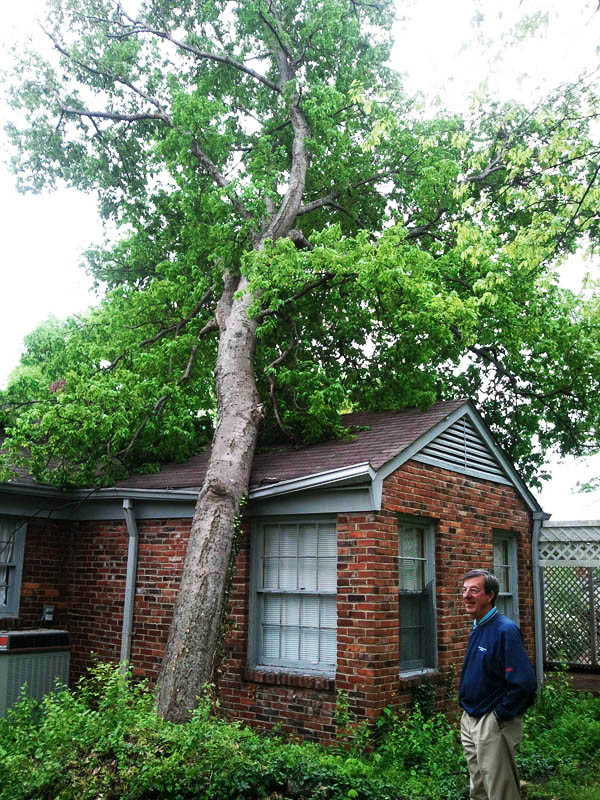
But if need such services — like hiring a reputable company to clear trees from your yard following a storm — there are certain qualities and qualifications you should look for. Before hiring a service company, consider the following:

  1. How long have they been in business? You probably want to do business with a company that is established and trusted in your community. The Parke Company and Tree Service of Nashville have served our area for more than 20 years. We’re not going anywhere soon.
  2. Is the company insured? If there is unintentional damage to your property or if someone is hurt on the job, is it your responsibility or theirs? Make sure they are bonded and insured as necessary.
  3. Are they members of organizations and groups that keep them at the leading edge of their industry? For example: The Parke Company and Tree Service of Nashville are certified members of the International Society of Arboriculture.
  4. What would your friends say about the business? Getting a reference or referral in these days of social media is incredibly fast and easy. Ask your friends on Facebook and Twitter for recommendations. Search sites like yelp.com and the Better Business Bureau for information on a business before hiring them. Reviews, referrals and recommendations are more valuable than any amount of advertising a company can do.

If you have any questions about Tree Service of Nashville’s qualifications or services, please feel free to contact us. We’re happy to discuss your needs with you.

Middle Tennessee’s Favorite Trees

Middle Tennessee is in Plant Hardiness Zone 7. If you’re not familiar with the Arbor Day Foundation’s Plant Hardiness Zones, think of it as a horoscope for your plants and trees. Based on annual average high and low temperatures, the zones give an indication of what plants and trees will grow best, and where. A tree that is best suited for growth in Northern Montana probably won’t do as well if planted in Southern Arizona.

If you’re looking for trees to add to your landscaping, here are five of the most popular trees in Middle Tennessee which are also best-suited for growing here:

  1. Prairifire Flowering Crabapple. The Prairifire Flowering Crabapple adds color to your landscape with bright red flowers and red leaves that mature to a deep, dark green. This fairly short, ornamental tree is friendly to birds and wildlife.
  2. Red Dogwood. The Red Dogwood blooms with red flowers in the spring and displays dark reddish-purple leaves in the fall. Its red berries are a favorite for songbirds.
  3. White Fir. The White Fir is drought-tolerant, good for Middle Tennessee’s sometimes unpredictable rain fall. This tree has light-colored bark with silvery blue-green needles and grows up to 50 feet tall.
  4. Saucer Magnolia. The Saucer Magnolia is aptly named with its large, saucer-shaped flowers that fade from pink/purple on the edge to white in the middle. It’s a fairly fast-growing tree and can top out at 30 feet tall.
  5. Giant Sequoia. The Giant Sequoia is a strikingly majestic columnar evergreen tree. It produces bluish-green needles with reddish-brown cones. Able to grow and thrive in a variety of soils, the Giant Sequoia can reach up to 200 feet in the air and 25 feet wide.

Contact us if you have questions about adding some of Middle Tennessee’s favorite and best-growing trees to your landscape. The birds and wildlife in your neighborhood will be glad you did!

Is My Tree Dying?

3 signs that your tree is sick or dying

Your trees are part of your home. They offer shade, beauty and the peace of being surrounded by nature even in the most urban settings. But they don’t live forever.

The lifespan of a tree can vary, and there are definite signs that your tree may be sick or dying. Here are 3 things to look at:

  1. Leaves. Do the leaves look healthy and lush? Are they falling off when they should be at their peak? Is there a noticeable reduction in the number of leaves this  season compared to last?
  2. Bark. You may not pay much attention to the bark on your trees, but you’ll definitely notice if it becomes brittle and starts to fall off. You might even notice the trunk beneath looking or feeling spongy or brittle.
  3. Branches. Do the branches that once reached high and strong into the sky seems to be weak and drooping? Does it look as if gravity is winning the battle? Has the slightest breeze caused a branch to crack or even break off?

There are many reasons that a tree may get sick or even die — disease, age, drought, insects — but many of the signs are the same. If you have questions or concerns about a tree in your yard, contact us and we’d be happy to take a look at it for you.

Summertime Tree Planting

The summer months are perfect for many things: Enjoying time at the beach. Sleeping late when school is out. Eating a snow cone before it has time to melt. But the summer months are not good for adding new trees and plants to your landscaping.

The extremes of summer — heat, drought, longer days of sun exposure — make this time of year the worst time to plant. It can be difficult to keep the soil around the tree consistently damp enough to properly feed and nourish a tree when planted this time of year. A tree planted this time of year can become stress, susceptible to pests and disease.

There are certain species of trees that can survive and even thrive when planted properly during the summer months. If you must plant during the extremes of summertime, we’re here to help. We’ll take the time and care to:

  • Help you pick out the right tree for your yard, considering the life expectancy of the tree, the full size of the mature tree, and how the tree complements your current landscaping.
  • Prepare the tree hole, measuring for the root ball and taking into considering the root growth as it will apply to your home’s foundation and the rest of your landscaping.
  • Educate you about tree care. Once the tree goes into the ground, the work isn’t over yet. You’ll need to mulch, keep grass away (it competes with your tree for water and nutrients), and feed and tend to your tree correctly.

Mild Winter, Early Summer Bring Disease, Pests to Trees

Some parts of the country celebrated a mild winter while others are already experiencing the unrelenting heat of an early summer. Spring seems to have gotten lost somewhere in between.

With these seasonal extremes, it’s possible that trees can experience stress. Stress for trees can come in the form of too little or too much sunlight or water, or an imbalance in nutrients. When trees are under such stress, they are more susceptible to common tree diseases and pests.

So how do you know if your trees are fighting disease or pests?

Look for visible changes in the leaves, branches and roots. When there are changes, you’ll notice. For example: When roots that are normally gray or light brown look black, this may indicate the presence of root-rotting organisms or overly saturated soil.

Leaves may turn brown and fall before their time. Boring bugs and caterpillars may show up in great numbers. Branches may show signs of fungus in dark spots.

When you see these signs of stress, disease and pests, it may be time to call a professional. Contact us for a free visit to assess your trees and landscape. We can provide a free estimate of services so that your trees are disease- and pest-free.