Avoiding Common Landscaping Mistakes
If you are an avid DIY enthusiast, you’ve probably taken a stab at doing a little landscaping in your Nashville lawn. The upside of DIY
If you are an avid DIY enthusiast, you’ve probably taken a stab at doing a little landscaping in your Nashville lawn. The upside of DIY
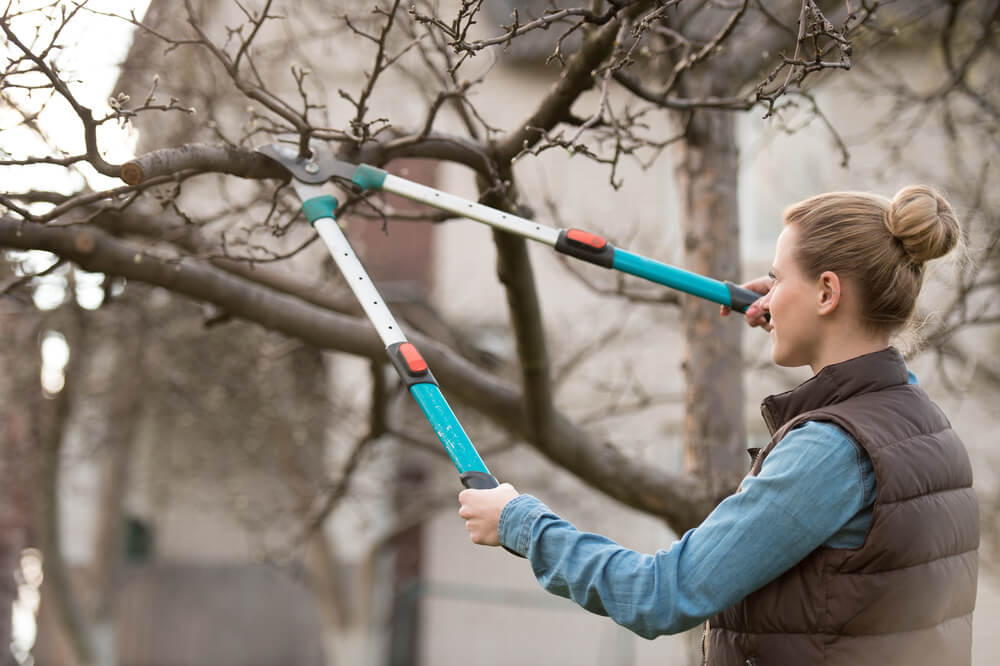
Trees are a huge time commitment for property owners and managers. If all goes well, they should outlive us and continue to provide shade for decades. Unfortunately, trees are susceptible to damage, disease, and rot like any other plant, and they’re not always equipped to give us obvious warning signs when rot does take hold. Let’s take a look at some of the causes of rot in trees and how you can prevent rotting trees on your property.
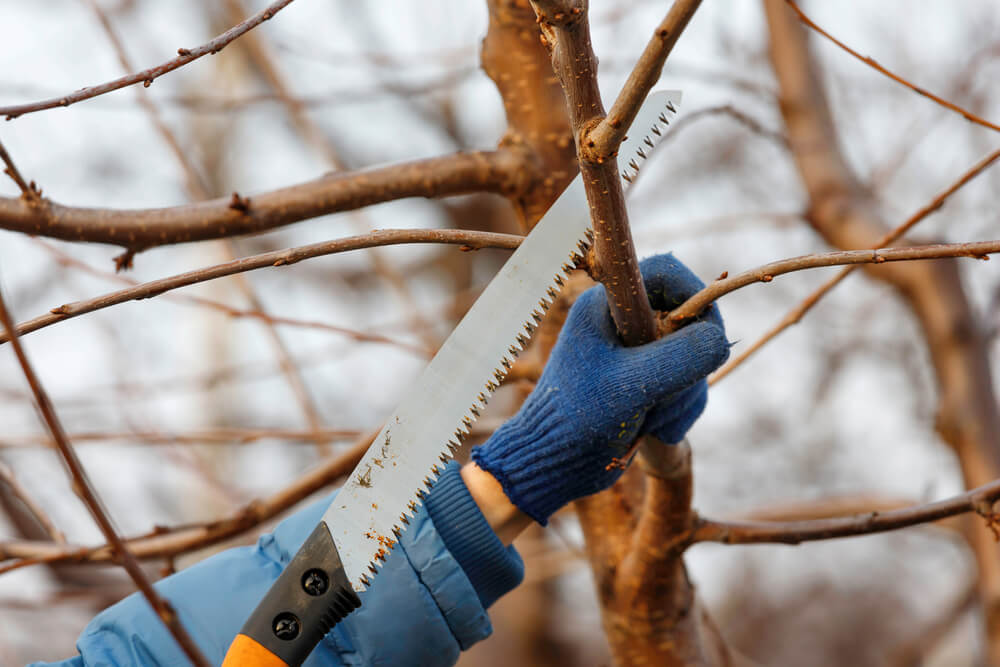
Trees are among the most important living things on Earth, providing oxygen, scrubbing carbon dioxide from the air, and keeping soil from eroding. Trees are also an invaluable component of landscaping, providing shade, aesthetic beauty, and a variety of benefits to the soil and surrounding fauna. But trees need help getting all of that done. Just like we humans benefit from routine grooming, trees are a lot better off if they lose some of their old, dead (or dying) branches and limbs. This process is known as pruning, and the winter is actually the best time to get it done, ensuring that you have a healthy tree year-round.
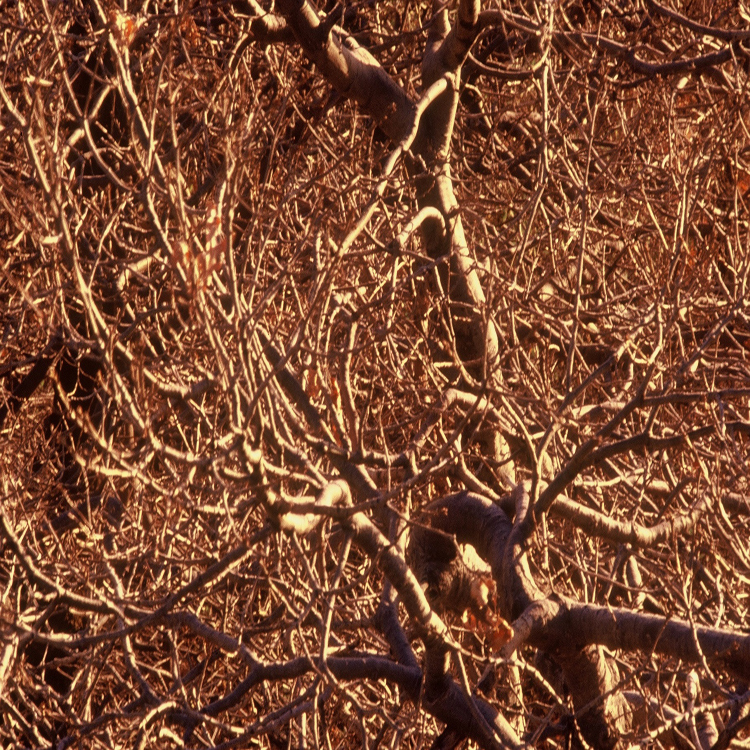
Cold weather has arrived. The leaves have fallen. And frost has clung unmercifully to the branches and trees. So now what? What’s the next step
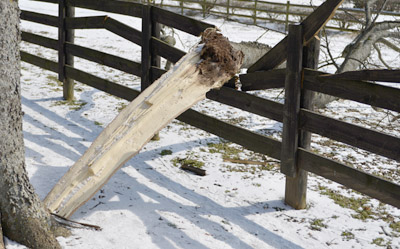
If you have watched the news in the last several weeks and you live in the Nashville area, you’ve probably heard about the tree falling